Therapy for addiction can take place on an individual, family or group basis, helping you understand and deal with the issues that have led to your addiction. It also helps you to develop coping strategies for dealing with any triggers in the future. As part of this, we may use trauma-informed approaches where helpful, supporting you to make sense of complex relationships and past experiences, and how these may influence your thoughts, feelings and behaviours.
At Priory, we provide evidence-based programmes that are tailored to individual needs. Our specialists use a whole range of tried and tested therapeutic methods to help you with your addiction.
There are many types of therapy. The one that’s right for you will depend on your condition and other individual circumstances. Common types of therapy include:
- Cognitive behavioural therapy (CBT) focuses on how our thoughts and beliefs affect our behaviours and actions, developing coping skills so we can better deal with problems in our lives. Find out more about CBT for addictions
- Dialectical behaviour therapy (DBT) is based on CBT, but focuses on how people can learn to understand and accept themselves to reduce dysfunctional and distressing emotions
Therapy can come in one of a few formats. It can be done on a one-to-one basis, with your family and friends or as part of a group with other people who are in recovery.
Through therapy, we also support you to understand your values and strengths, and explore what truly matters to you. If you're unsure of your personal values or direction, we'll help you reflect on how your values shape decision-making, influence identity and guide priorities. By connecting with what motivates you, you can gain a clearer sense of direction and move towards a more fulfilling life.
Wellbeing activities
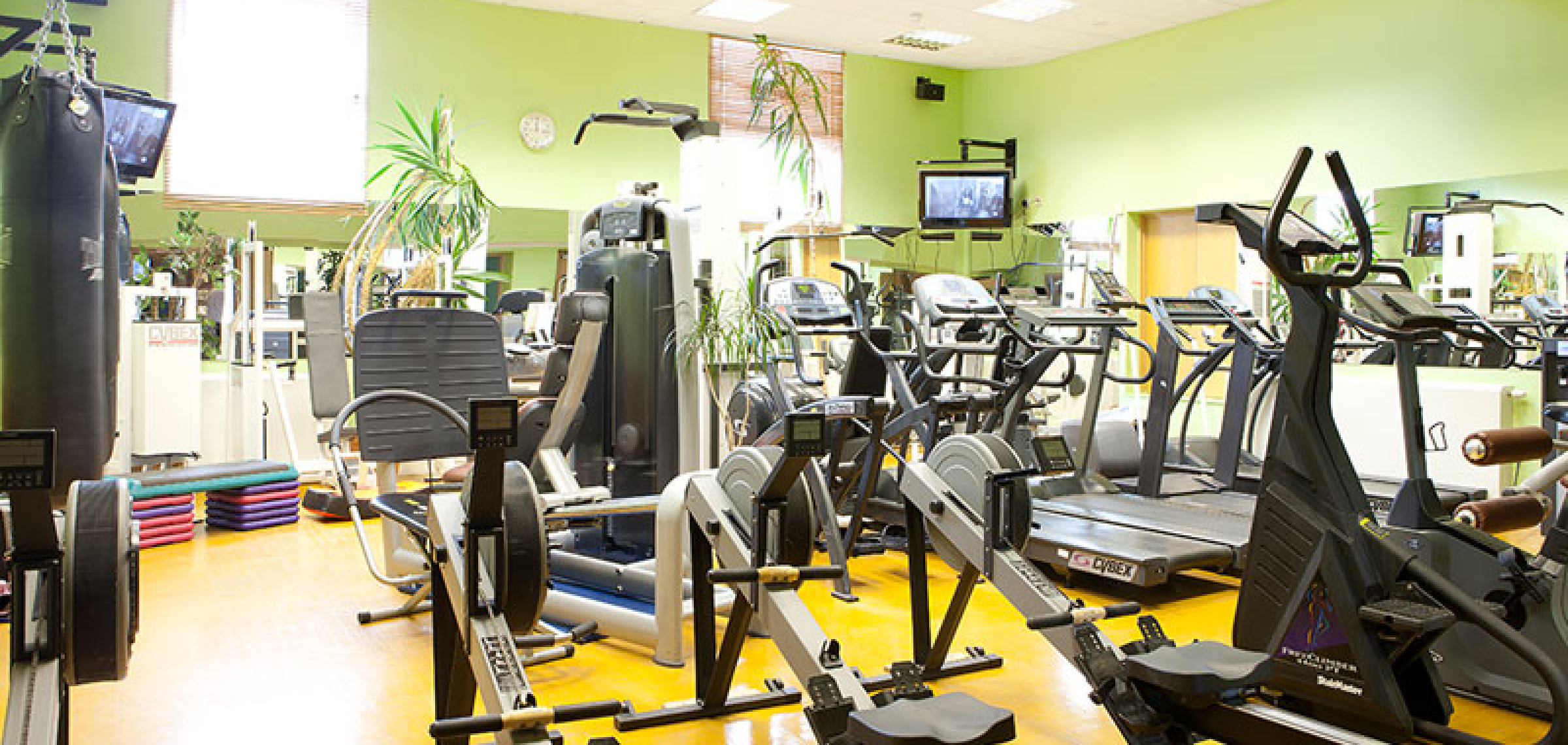
If you're staying with us on a residential basis, you may also take part in a range of wellbeing activities designed to support your recovery. These can include yoga, meditation, exercise classes and massage therapies – all aimed at promoting health in mind, body and spirit.
For people who aren't staying with us as an inpatient, we can offer guidance on simple wellbeing practices you can do at home to support your recovery, helping you build healthy routines and self-care habits that work for your lifestyle.
You might also engage in a range of wellness activities. These include things like:
Exercise classes and groups
Meditation and relaxation classes
Yoga, Tai Chi and Shiatsu classes
Recreational quizzes and movie nights
Practical techniques like pain management, mindfulness, breathing exercises, body awareness and stress management are also part of our approach.
In addition, for people staying with us as inpatients, nutrition is addressed as part of a holistic approach to addiction recovery. At some sites, this may include supportive sessions to help you understand the connection between food and wellbeing, as well as guidance on how sugar cravings can increase when alcohol or other substances are reduced or stopped, and how to manage this in a balanced way.