Call Us
Tap on a number to call
Enquire
Log In
Menu
Contact Us
Call Us
Tap on a number to call
Enquire

Porn addiction symptoms

Take the first step towards recovery with our specialist porn addiction treatment options and regain control of your life and wellbeing.

Start your journey today – book your FREE addiction assessment for confidential support.

Page last updated:
Written by: Will Hinch
Mental health & addictions writer
Clinically reviewed by: Claire Rimmer
Lead Addiction Therapist at Priory Hospital Altrincham in Manchester

If you are worried about your relationship with pornography, you are not alone. Many people begin to notice changes in their behaviour or emotions long before they feel able to call it an addiction. Understanding the early warning signs can help you make sense of what you are experiencing and decide on the right next steps.

This guide explains the behavioural, emotional and relationship symptoms of porn addiction, why it develops, and when it may be time to seek support.

Understanding porn addiction

Porn addiction is a behavioural addiction where someone develops an unhealthy, compulsive relationship with pornography. 

While watching porn is common, it can become problematic when it starts to feel difficult to stop, begins to disrupt daily life or leads to distress, secrecy or shame.

Porn addiction is not linked to a substance. Instead, it relates to compulsive patterns of behaviour and changes in the brain’s reward system. This can make stopping feel far harder than expected.

If you recognise some of the signs on this page, remember that porn addiction is treatable and increasingly understood by mental health professionals. 

Support is available and recovery is possible.

Early warning signs of porn addiction

Porn addiction symptoms often begin subtly and may increase gradually over time. You might notice that the behaviour becomes more frequent or starts to affect your mood, relationships or responsibilities.

These signs often relate to changes in your daily habits:

  • Spending increasing amounts of time watching porn, even when you did not intend to
  • Needing more extreme or specific material to feel stimulated
  • Repeatedly attempting to stop but being able to
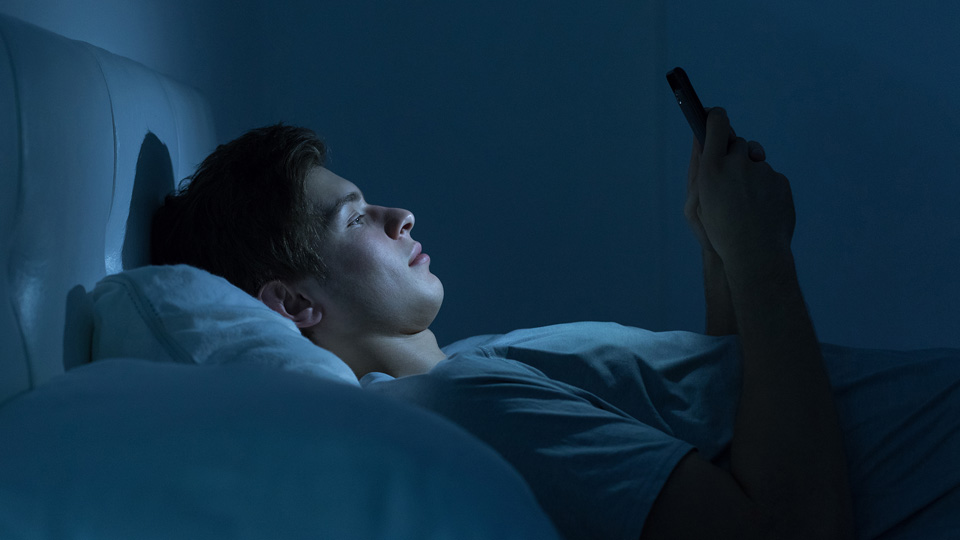
  • Watching porn at inappropriate or risky times, such as late at night or during work
  • Neglecting responsibilities, sleep or relationships
  • Feeling anxious or irritable when you cannot watch porn

Porn addiction can lead to difficult emotional experiences that may begin to impact your confidence or wellbeing:

  • Guilt, shame or secrecy surrounding your porn use
  • Using porn to cope with stress, boredom, anxiety or loneliness
  • Feeling emotionally numb or disconnected from real intimacy
  • Low self-esteem or self-critical thoughts linked to your porn use
  • Preoccupation with porn or frequent intrusive thoughts throughout the day

Porn addiction can affect your social life, and the relationships you have with people around you too:

  • Withdrawing from your partner or losing interest in real-life intimacy
  • Arguments, secrecy or conflict about porn use
  • Comparing partners to porn or feeling dissatisfied during real sex
  • Avoiding social contact due to embarrassment, fatigue or fear of being judged

If you recognise several of these signs, you might consider reaching out for additional support. At Priory, we offer compassionate, non-judgemental treatment in a variety of flexible formats. 

The effects of porn addiction

Recognising symptoms early can prevent these wider impacts from becoming more severe over time.

Porn addiction can affect emotional, physical and social wellbeing, including:

  • Reduced sexual satisfaction or difficulty becoming aroused during real intimacy
  • Erectile issues or delayed arousal caused by over-stimulation
  • Increased secrecy, lying or avoidance, which strain relationships
  • Social withdrawal or reduced confidence
  • Problems concentrating, sleeping or managing daily responsibilities
  • Heightened feelings of anxiety, shame or depression
  • Distorted expectations about sex, intimacy or body image

These effects are common and treatable. You do not have to struggle alone.

Why porn addiction develops

Porn addiction is not caused by one single factor. Instead, it usually develops through a combination of biological, psychological and environmental influences.

Common reasons include:

  • Changes in brain reward pathways that reinforce compulsive behaviour, similar to other behavioural addictions
  • Instant, private access through phones, tablets and computers, which can make the behaviour harder to control
  • Coping with loneliness, trauma or emotional distress, where porn becomes a way to self-soothe
  • Mental health difficulties, such as anxiety, depression or stress
  • Personality traits, including impulsivity, perfectionism or high anxiety
  • A history of relationship difficulties or low self-esteem, where porn becomes a safer emotional outlet

This doesn’t mean you and your condition are not worthy of support. Nor does it mean that, given that this is how your brain may be wired, that you can’t change course.

Understanding these influences can help reduce shame and highlight why professional support can be so effective.

When to seek help

It may be time to reach out for support if:

  • You have tried to reduce or stop watching porn but find it difficult
  • Porn use is affecting your self-esteem, emotional wellbeing or relationships
  • You feel ashamed, isolated or distressed about your behaviour
  • It is affecting your work, motivation or daily routine
  • You are relying on porn to cope with stress or difficult emotions

Reaching out early can prevent symptoms from worsening and can help you regain control. Treatment for behavioural addictions is confidential, compassionate and tailored to your needs. 

Book your free, confidential alcohol addiction assessment

Call Us
Tap on a number to call

Getting help for porn addiction

Specialist support can help you understand your symptoms, break unhelpful patterns and develop healthier coping strategies. Treatment may include:

  • Talking therapy, such as CBT, to understand triggers and develop practical strategies
  • Group therapy, offering shared understanding and peer support
  • Couples or relationship therapy, where pornography has affected intimacy
  • Inpatient or outpatient addiction programmes, depending on the level of support needed
  • Online therapy, for flexible access from home

If you would like personalised guidance or want to explore treatment, Priory offers a free, confidential addiction assessment. This is an opportunity to talk through your concerns with a specialist and find out which treatment pathway may be right for you.

Take the first step towards recovery and explore our dedicated page on porn addiction treatment at Priory.

You don't have to face this alone. Support is available and recovery is achievable.

Contact us to make an enquiry or for more information

Call Us
Tap on a number to call
Enquire