


Alcohol is woven into many parts of everyday life in the UK, from socialising and celebrations to sport, university and work. Because drinking is so widely accepted, it can sometimes be difficult to recognise when social drinking is becoming something more concerning.
In this article, we explore how alcohol becomes normalised, the environments that can reinforce heavier drinking, and how to reflect on your own relationship with alcohol – including first-hand experience from Priory therapist Alex Warden.
Why is drinking so normalised?
From daily drinks during working lunches, after-work pints, a gin and tonic or glass of wine once the kids are in bed to champagne toasts to mark special occasions, British drinking culture centres alcohol in both our everyday life and in our celebrations.
Alcohol is so normalised that many people feel that declining a drink requires a justification (such as driving, pregnancy or antibiotics), and that saying “no” isn’t enough of an answer on its own. Turning down a drink or switching to a non-alcoholic alternative can make people feel self-conscious and is often met with questions or judgement from peers around them
Sporting events are often sponsored by alcohol brands, increasing our exposure to drinking in a way that subconsciously connects alcohol with team loyalty, national pride, celebration and relaxation. Research from the Institute for Social Marketing and Health at the University of Stirling highlights how widespread alcohol sponsorship in British sport continuously reinforces the link between sporting achievement and drinking.
“Alcohol was everywhere”: Alex’s story
In our new podcast series, therapists share their personal experiences of mental health and addiction, and what inspired them to enter the profession.
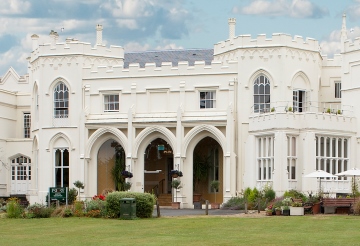
Alex Warden, a therapist at Priory Hospital Chelmsford, talks about growing up around a normalised drinking culture and how this contributed to his own addiction. He shares his experience of inpatient rehab, his recovery, and how he later returned to the same Priory hospital as a therapist, supporting others with addiction.
Drinking culture – sport, university and hospitality
Drinking culture is widely normalised in the UK, but some environments can reinforce heavy drinking and make it feel like a mandatory part of belonging to the group.
Sport and team culture
For many, drinking is a bonding mechanism - this is common within sports like rugby, football and cricket where drinking is interlinked with team bonding. Studies published in the British Medical Journal (BMJ) show that team sport members report significantly higher rates of binge drinking compared to their non-sporting peers.
Some of the reasons for these higher rates include post-match bonding rituals, in which binge drinking builds a sense of connection and loyalty within the team. Alcohol can also become a way of managing and processing emotions, whether it’s celebrating victories or commiserating defeats.
University and student life
Research consistently shows that higher education is a high-risk setting for excessive drinking. According to the SOS-UK Alcohol Impact survey, 74% of students believe that getting drunk is a core part of university culture.
Freshers' week events, pub crawls and sports society socials all create the expectation of high alcohol consumption from day one and alcohol is often seen as a shortcut to social inclusion. At university, behaviour that would raise concern in other settings (such as daytime drinking or regular memory blackouts) is often normalised as typical student behaviour.
Working in hospitality
Pub, bar and restaurant staff have constant access to alcohol, often while working unsociable hours and in environments with high stress levels. UK International Health Coaching Association (UKIHCA) & Industry Reports research suggests that workers in this sector face significantly higher risks of substance misuse and drinking too much than the national average.
Post-work drinking is typical in this industry as a way for staff to wind down together, while alcohol is often perceived as a way to manage the stress of a job with high physical demands and irregular sleep patterns. Constant exposure to drinking among customers might mean that hospitality workers perceive excessive intake as normal, which changes their perceptions of their own drinking behaviour.
Peer pressure – and why it doesn't stop in your twenties
When we talk about peer pressure, it’s usually in the context of teenagers. However, the social expectation to drink persists well into adulthood, albeit often more subtly.
According to the Drinkaware UK National Monitor Survey into peer pressure (2019):
60% of young UK adults (aged 18–34) say that pressure to drink alcohol is common in their age group
57% of UK drinkers actively say they would like there to be less pressure to drink
37% of adults admit to drinking more alcohol than planned because of rounds culture
34% continue drinking to avoid seeming rude or disruptive
Adult peer pressure can look like joining in or ‘being polite’. When you’re out with friends, opting out of rounds or asking for a non-alcoholic drink can feel like you’re offending the person buying or that you’re breaking the rules of the group. Corporate networking, post-work drinks and Friday socials can bring this pressure into the workplace.
Social drinking vs binge drinking vs problem drinking
As alcohol is so deeply embedded in British life, it can be difficult to know where your own relationship with drinking sits on the spectrum between social, binge drinking and problem drinking. There’s often more to this than counting units, including your behaviour/intent and cultural/social factors:
Not sure where you stand? Try the AUDIT self-assessment test
If you want to think about your own drinking, a good place to start is by taking the 10-question AUDIT (Alcohol Use Disorders Identification Test). Developed by the World Health Organization and adapted for UK use, this is the tool Drinkaware uses for its own self-assessment.
While the test cannot diagnose alcohol abuse disorder, it can help you to reflect on your drinking and if it’s time to consider making a change.
Getting support
Figuring out your relationship with alcohol, and the part you want it to play in your life, can be difficult in an environment that readily promotes and normalises binge drinking culture.
If hearing Alex’s story has struck a chord for you, or if the results of the AUDIT test were not what you were expecting, remember that you don't have to navigate it alone or wait for a crisis to seek support.
At Priory, we offer compassionate, confidential support and can help you explore your relationship with alcohol, learn healthier strategies for managing stress or get treatment for alcohol-related concerns.