Trauma-informed therapy: a path to recovery at Roehampton
- Closed group model
- Multi-modal "body & mind" integration
- Site rated 'Good' by CQC
Experiencing trauma can be an incredibly isolating journey. Many people find that trauma leaves them feeling disconnected from themselves and others, often trapped by flashbacks, anxiety or a sense of being constantly on edge. However, healing is possible and you don’t have to navigate it alone.
At Priory Hospital Roehampton, our trauma-informed pathway is a specialist programme designed to help you understand your experiences, manage your symptoms and build a path towards lasting recovery.
Trauma informed therapy isn’t just a set of techniques. It’s an overall mind-set and clinical framework. Rather than focusing solely on symptoms and asking "what’s wrong?", the emphasis shifts to understanding context by asking "what has happened in your life that may be affecting you now?"
This approach recognises that traumatic experiences can have a deep and lasting impact on how someone feels, thinks and reacts to the world around them. Because of this, therapy is carefully shaped to feel safe, supportive and paced in a way that reduces the chance of causing further distress. It prioritises the physical and emotional safety of the patient above all else.
You might find our trauma-informed pathway particularly helpful if you identify with any of the following:
At Priory Hospital Roehampton, our trauma-informed pathway is an evidence-based, structured programme that’s based on the very latest research on PTSD treatment and recovery. It takes place on 8 full days over an 8-week period, and combines traditional talking therapies with creative, body-based approaches.
A typical day includes:
Being trauma-informed means that every aspect of our care is designed with an understanding of how trauma affects the brain and body. Rather than simply looking at symptoms, we look at the whole person and the experiences that have shaped them.
Our programme follows the latest research and guidelines from the National Institute for Health and Care Excellence (NICE) for the treatment of PTSD and CPTSD. The goal is to provide you with the tools for:
- Learn about somatic exercises here.
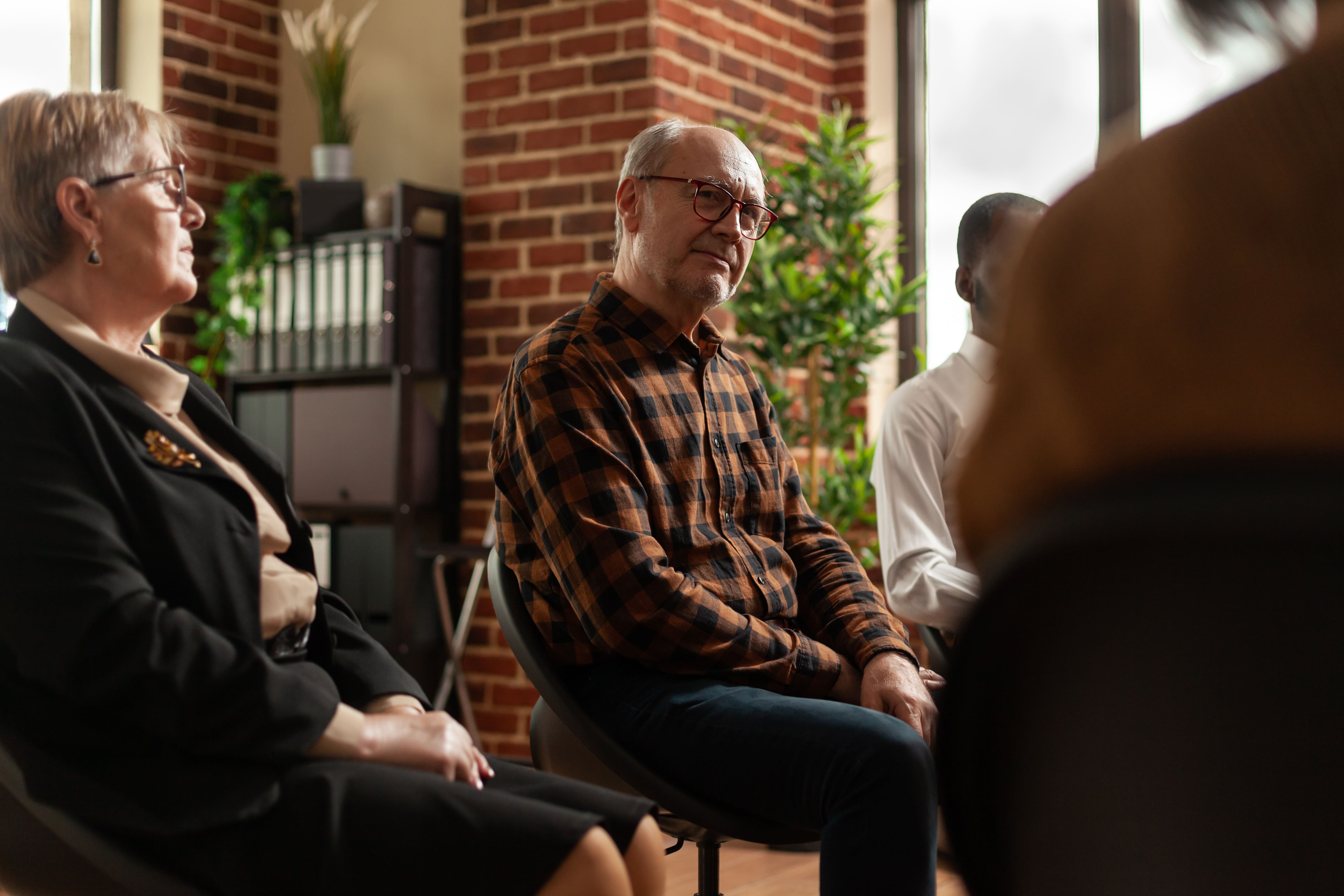
Our trauma-informed pathway is built around the power of shared experience. Facilitated by our specialist therapists, the programme brings together a small group of people who are facing similar challenges. This format provides a unique opportunity to build a community of support and realise that you’re not alone in your journey.
Unlike some of our other groups, the trauma-informed pathway is a closed programme. This means that the same group of people start and finish the 8-week journey together. No new members join once the programme has begun.
We use this structure because trust and safety are vital for trauma recovery. By keeping the group consistent, you’re able to build deeper connections and a sense of security with your peers, knowing that everyone in the room is committed to the same shared journey of healing.
While the group experience helps reduce feelings of isolation and builds a community of support, we also recognise the need for individualised care. As part of this pathway, you’ll also be offered eight sessions of individual therapy alongside the group programme.
Before starting the group, you’ll be assessed by one of our clinicians to determine if this pathway would be helpful for you. If it’s not the right fit, we can recommend other pathways that are more suitable. If this pathway is appropriate, you’ll be assigned a dedicated keyworker to act as your main point of contact, ensuring you feel supported and heard every step of the way.
All of our therapists at Roehampton are highly trained in evidence-based treatments for PTSD and CPTSD. They provide a safe and confidential space where your experiences are validated and your privacy is respected.
The trauma-informed pathway is available for self-paying patients (£632 per day) and those using private medical insurance (PMI). Please check with your insurer to find out the level of treatment they will authorise.