Why I Became a Therapist
Hear real stories from the people behind the profession in our new podcast series.

Many of the people who support others through mental health challenges, addiction or trauma have their own stories to tell.
In Why I Became a Therapist, a new podcast series from Priory, six therapists speak openly about the personal experiences that shaped them, how they found support, and how those experiences influence the work they do today.
Across the series, we explore addiction, trauma, PTSD, ADHD, menopause, eating disorder recovery, self-understanding and hope after difficult times.
These are honest conversations about what it means to struggle, recover and support others from a place of lived understanding.
New episodes will be released weekly from 15th September on YouTube, Spotify and Apple Podcasts.
Episode 1: Tess’s story – ADHD & Love Addiction
Episode 2: Hannah’s story – PTSD
Episode 3: Alex’s story – Hereditary Addiction
Episode 4: Jodie’s story – ADHD & Perimenopause
Episode 5: Charlie’s story – Exercise Addiction & Eating Disorders
Episode 6: Colin’s story – Grief & Addiction
[Watch on YouTube]
[Watch or Listen on Spotify]
[Listen on Apple Podcasts]
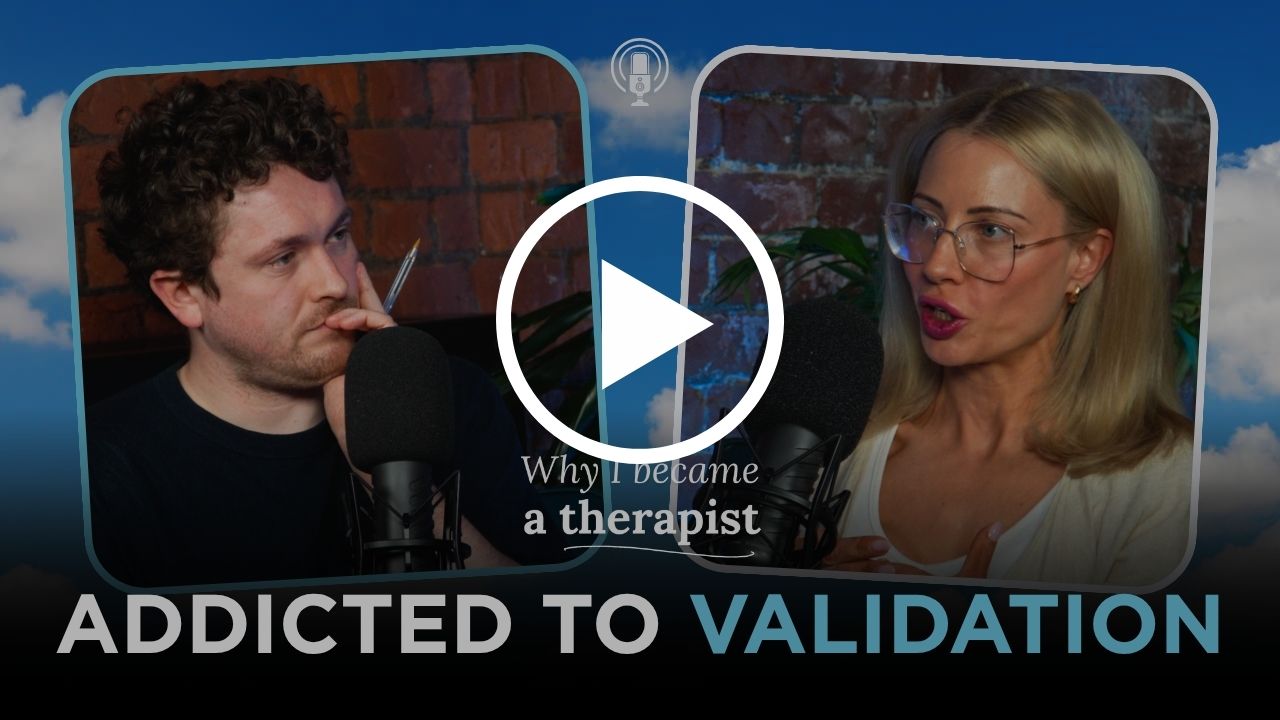
In the first episode of Why I became a therapist, Priory therapist Tess Ridgeway shares her personal story of anxiety, addiction, love addiction, ADHD and recovery.
Tess reflects on feeling anxious and disconnected from a young age, and how alcohol, drugs and relationships later became ways to escape difficult emotions. She also speaks about love addiction, validation, shame and the feeling of searching for something outside herself to feel okay.
A key theme in Tess’s story is self-understanding. After receiving an ADHD diagnosis later in life, she began to make sense of experiences such as overwhelm, anxiety, perfectionism, burnout and the search for quick relief.
Today, Tess’s lived experience shapes the way she supports others as a therapist. Her story is a reminder that recovery is not always linear, but support, connection and compassion can help people begin to rebuild.
Love addiction and validation
ADHD and addiction
Anxiety, shame and self-understanding
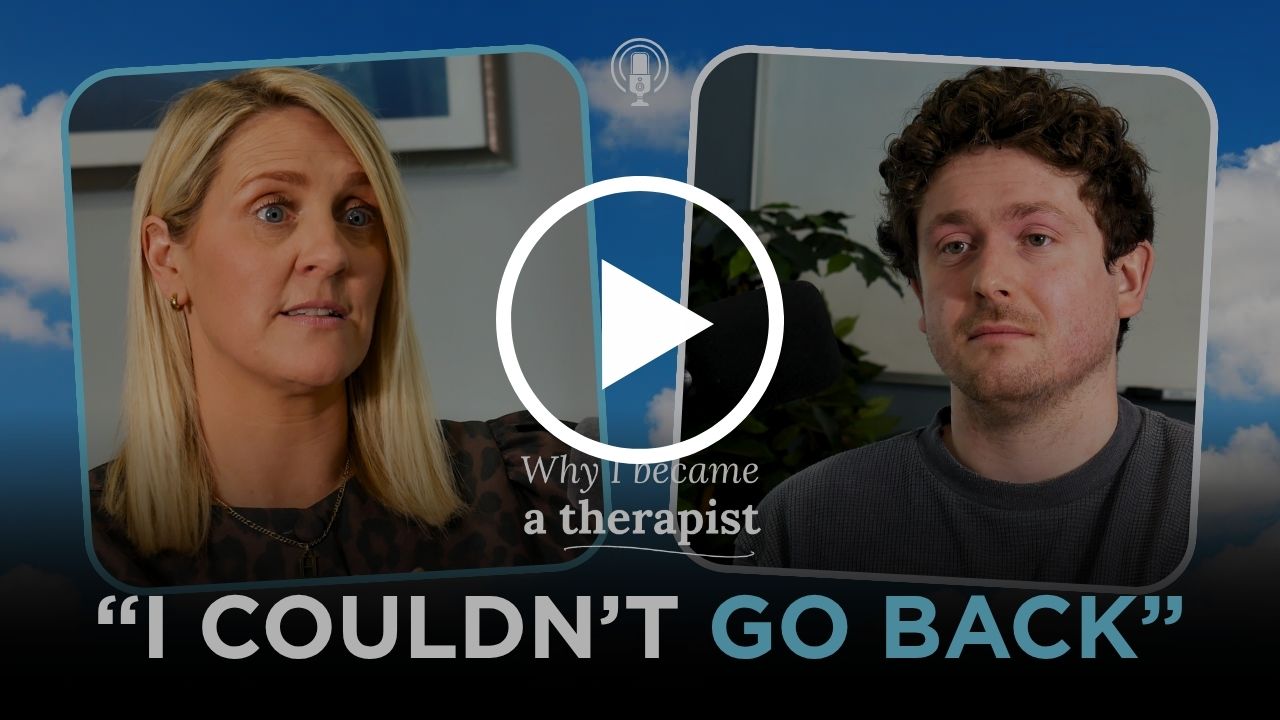
In episode two of Why I became a therapist, Priory therapist Hannah Stebbings shares her experience of trauma, PTSD and rebuilding her life after a frightening experience changed the direction of her future.
After university, Hannah moved to London to begin what felt like her dream career in TV and film. Following a traumatic robbery, she began to experience panic, fear and a loss of safety, eventually reaching a point where returning to London felt impossible.
Hannah reflects on how the effects of trauma did not appear all at once. She talks about delayed PTSD, trying to carry on as normal, and later experiencing panic attacks, flashbacks and nightmares as she began to process what had happened.
Therapy helped Hannah understand her experiences, rebuild her confidence and begin moving forward. Today, her lived experience shapes the empathy and understanding she brings to her work as a therapist.
Trauma and PTSD
Delayed responses to trauma
Panic attacks and feeling unsafe
Therapy and rebuilding confidence
Lived experience and becoming a therapist
In episode three of Why I became a therapist, Priory therapist Alex Warden shares his experience of alcohol addiction, recovery and how his own treatment helped shape the therapist he is today.
Growing up in South Africa, Alex describes how alcohol became a normal part of life from a young age. Drinking was embedded in socialising, sport and later his working life, making it difficult to recognise when his relationship with alcohol had become harmful.
Alex reflects on the impact of grief, family experiences of addiction and relapse, as well as reaching a point where he needed professional support. He eventually came to Priory as a patient, an experience that became an important part of his recovery.
Today, Alex works as a therapist supporting others experiencing addiction. His lived experience helps him understand the fear and uncertainty people can feel when seeking treatment, and allows him to bring empathy, honesty and hope to those taking their own first steps towards recovery.
Alcohol addiction and recovery
Normalised drinking culture
Grief and family experiences of addiction
Relapse and seeking treatment
Moving from patient to therapist
The role of lived experience in supporting others
In episode four of Why I became a therapist, Priory therapist Jodie Smethem shares her experience of ADHD, perimenopause and learning to understand herself more fully.
Jodie reflects on growing up feeling anxious and masking how she felt, often assuming that other people found things difficult too but were simply coping better. Looking back, she can now recognise how exhausting it was to continually try to meet expectations while struggling internally.
As Jodie entered perimenopause, the coping mechanisms she had relied on began to work differently. Tasks that had previously felt manageable became overwhelming, while anxiety and emotional intensity increased. Learning more about ADHD, hormones and menopause helped her begin to understand what was happening and move away from asking “what’s wrong with me?” towards greater self-awareness and self-compassion.
Today, Jodie’s experiences influence the way she works as a therapist, helping her consider the wider context of what someone may be experiencing and the importance of helping people feel heard, understood and safe.
ADHD and menopause
Masking and neurodiversity
Anxiety and emotional overwhelm
Changing coping mechanisms during perimenopause
Self-understanding and self-compassion
How lived experience can shape therapeutic support
In episode five of Why I became a therapist, therapist Charlie Carroll shares his experience of an eating disorder during early adulthood, and how a growing focus on food and fitness gradually became more rigid and difficult to manage.
Charlie reflects on the transition from college to university, when he began to feel increasingly disconnected from his emotions, his body and the people around him. Exercise and eating well initially felt like positive ways to look after himself, but over time they became disproportionate, contributing to greater isolation and a loss of trust in his own body.
A turning point came as Charlie began to recognise how disconnected he had become and started allowing other people back in. Reconnecting with friends and speaking regularly with a therapist he trusted helped him begin to understand what he was experiencing and find a different way forward.
Today, Charlie reflects on the importance of maintaining a healthy relationship with yourself, your body and your emotions. His experience has also shaped the understanding he brings to his work as a therapist, particularly around trust, connection and helping people feel able to explore difficult experiences at their own pace.
Eating disorders and recovery
Food, fitness and control
Losing trust in your body
Isolation and disconnection
Therapy, trust and human connection
Rebuilding your relationship with yourself
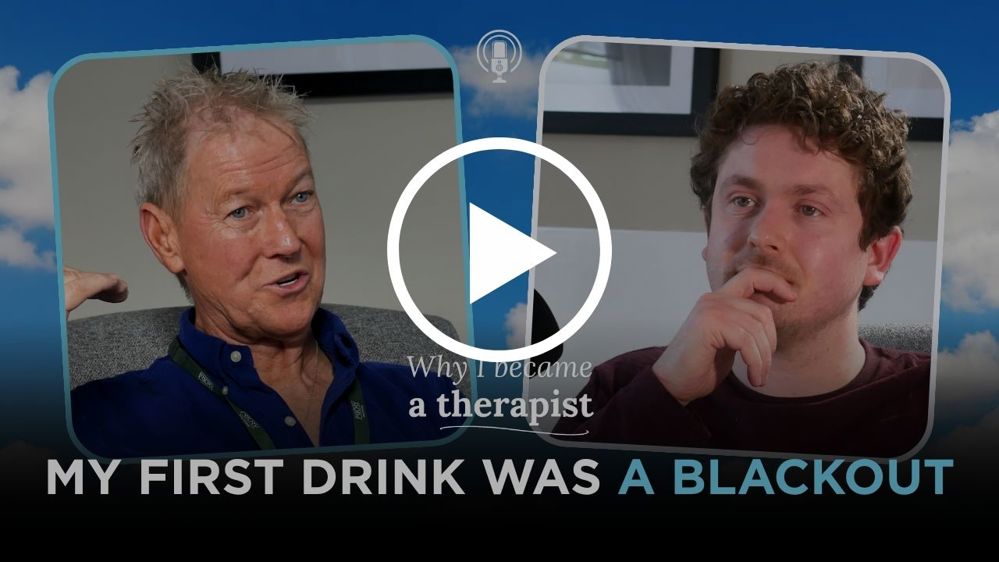
In the final episode of Why I became a therapist, Priory therapist Colin McKee shares his experience of alcohol addiction, grief, trauma and long-term recovery.
Colin reflects on his relationship with alcohol from a young age, including experiencing a blackout the first time he drank. Over time, alcohol and other substances became a way of changing how he felt and escaping difficult emotions, with grief, shame and the breakdown of a long-term relationship contributing to a period when his addiction became increasingly destructive.
After reaching crisis point at 30, Colin sought professional help and began engaging with recovery. He speaks openly about the anger, resentment and resistance he initially felt, as well as the complicated grief involved in giving up something that had once felt comforting despite the harm it was causing.
Today, Colin draws on both his lived experience and his professional work with grief and trauma to support others. His story explores the importance of connection, routine, compassion and continuing to actively maintain recovery, as well as the hope that it is possible to find a way forward when life feels dark or unmanageable.
Alcohol addiction and long-term recovery
Grief, loss and trauma
Shame, anger and early recovery
Reaching out for support
Maintaining recovery over time
Lived experience and becoming a therapist