Bipolar disorder treatment and support in Surrey
- Benefit from reduced rates on treatment
- Call and speak to an adviser in confidence


Priory has been helping to treat bipolar disorder for many years. Formerly known as ‘manic depression’, bipolar disorder describes a range of mood disorders or mood swings. These changes in behaviour include energetic highs (mania) and depressive lows (depression). These episodes can last from a number of weeks to many months.
Priory Hospital Woking specialises in treatment for a range of mental health conditions, including bipolar disorder. We understand the struggles you face and have a wealth of experience in helping others to overcome experiences just like yours. You are already taking the crucial first step to recovery by seeking help.
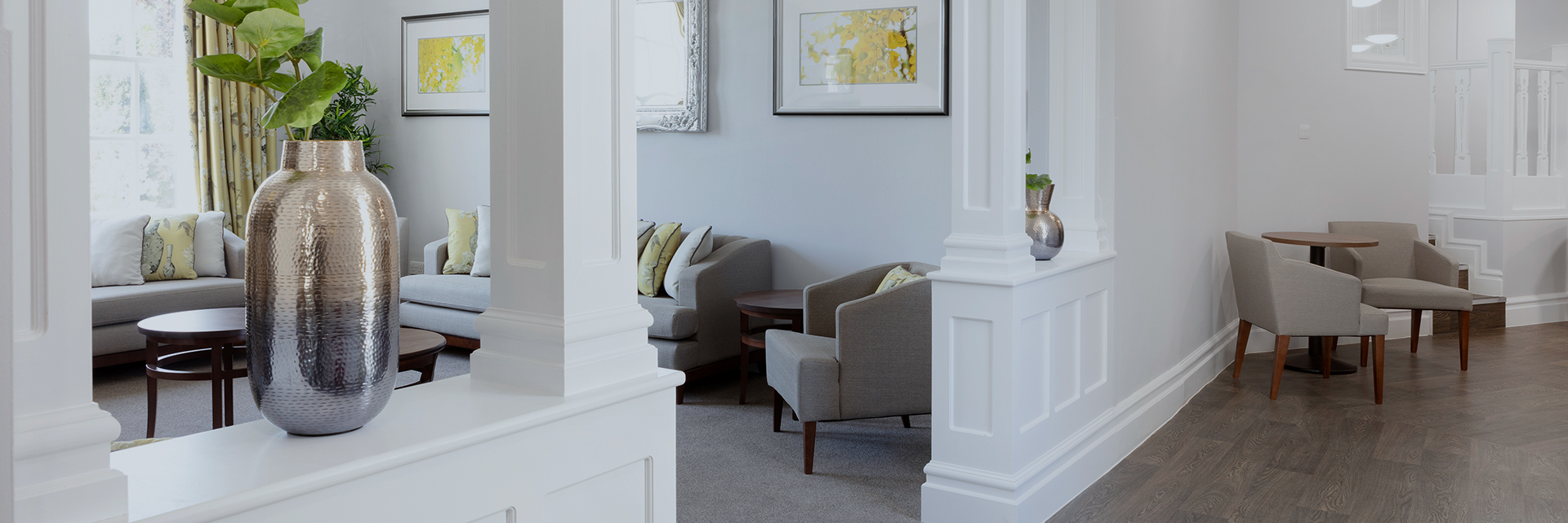
Woking is a highly-respected centre for private mental health support. With its gloriously picturesque setting near Chobham, Surrey, this peaceful country house with sprawling grounds is the perfect location for your recovery. The environment helps you to achieve the mindset and focus to inspire a more fulfilling future.
We want to make sure more people can access the support they need, especially at a time when many are feeling pressure financially. That’s why we’re offering reduced rates for inpatient mental health treatment at Priory Hospital Woking.
The care, expertise and environment remain the same, with pricing adjusted to make treatment more accessible. If you’d like to understand what this could mean for you or someone you care about, please get in touch to find out more.
You don't have to struggle with bipolar disorder. When you receive treatment with us, you'll benefit from:
Effective bipolar disorder treatment can reduce your symptoms and help you to achieve positive mental wellbeing. If you feel like your bipolar disorder has taken over your life, you can rest assured that our experienced mental health professionals can help you resolve the factors contributing to your bipolar disorder.
Our trained advisers are available to speak with you in confidence and provide guidance on your concerns and options for treatment. Whether you're interested in learning more about our treatment centers, services, or costs, our team can provide the information you need to make an informed decision.
Research shows there are a number of factors which may increase the likelihood of you struggling with bipolar disorder.
If a member of your immediate family has bipolar disorder, then you are five to ten times more likely to develop it yourself, compared to someone with no family history of bipolar. However, while this suggests there is a link between family history and bipolar disorder, it doesn’t necessarily mean this is the only cause.
People with bipolar disorder are believed to have an uneven balance of certain chemicals in the brain, especially those that regulate mood and behaviour. Studies have shown that brain chemistry and bipolar disorder are linked. Stress and other social influences during your life may also play a part in affecting your brain’s ability to maintain mood effectively.
If you go through something particularly stressful, this may also lead you to develop bipolar disorder. While stressful events alone may not be enough to trigger bipolar disorder, when this is coupled with other influences, such as genes and brain chemistry, it can lead to the disorder.
There are four types of bipolar disorder, which can influence how frequent or severe your ‘highs’ and ‘lows’ are. These include:
If you have experienced an episode of mania lasting longer than one week, you may have bipolar I. This type of bipolar is defined by shorted manic episodes between 3 to 6 months and longer depressive episodes of 6 to 12 months if left untreated, while there is a small possibility you may have only manic episodes.
You may be diagnosed with bipolar II if you regularly have episodes of severe depression, while your manic episodes tend to be milder, otherwise known as hypomania.
Affecting around 1 in 10 people with bipolar disorder, rapid cycling bipolar is diagnosed when you have had more than four mood swings within one year.
While the extremes of mood are not as severe as in other types of bipolar disorder, they can lost longer and even develop into full bipolar disorder.
For many people, bipolar disorder can have a negative impact on all areas of their life. At Priory, we can provide you with personalised bipolar disorder therapy, treatment and counselling.
Counselling for bipolar disorder can take place either as an outpatient, inpatient, or as part of our day care programme. You will be able to discuss which option is best for you with one of our specialists.
There are lots of different types of counselling for bipolar disorder, including:
During outpatient treatment for bipolar disorder, you will come to one of our hospitals or wellbeing centres for a set number of hourly sessions with a consultant or therapist. These usually happen on a weekly basis.
This type of treatment is useful if you don’t need more intensive treatment for your bipolar disorder and it also means you can attend flexible appointments at a time and a place that’s convenient for you. You can start outpatient therapy straightaway or this can be used as a step-down from more intensive treatment, if needed.
During inpatient treatment, you’ll stay at one of our hospitals on a residential basis and receive intensive treatment for your bipolar disorder.
This type of treatment is helpful when it comes to treating more severe cases of bipolar disorder. This is because it gives you the chance to spend some time away from your day-to-day life in order to remove any negative influences that may be making your bipolar disorder worse. It’s also very structured and provides round-the-clock care, helping you to get well.
The thought of coming into hospital can be daunting at first. However, this type of treatment can have a positive impact on your quality of life. It means you have the time, care and attention you need to address your bipolar disorder and take steps towards a healthy future.
You can also receive bipolar disorder treatment as part of our day care programme. During day care, you will come to one of our Priory sites for a certain number of days each week, where you will take part in therapy.
However, unlike inpatient treatment, you won’t stay at the hospital overnight but will go home following a day of treatment. Day care can be used as a step-down from inpatient treatment or a step-up from outpatient treatment, if needed.
Day care is useful if you don’t need 24-hour support for your bipolar disorder, but still need some level of structured care.
Cobham Road, Knaphill, Woking, Surrey GU21 2QF