
A successful treatment journey from secure to independent rehabilitation
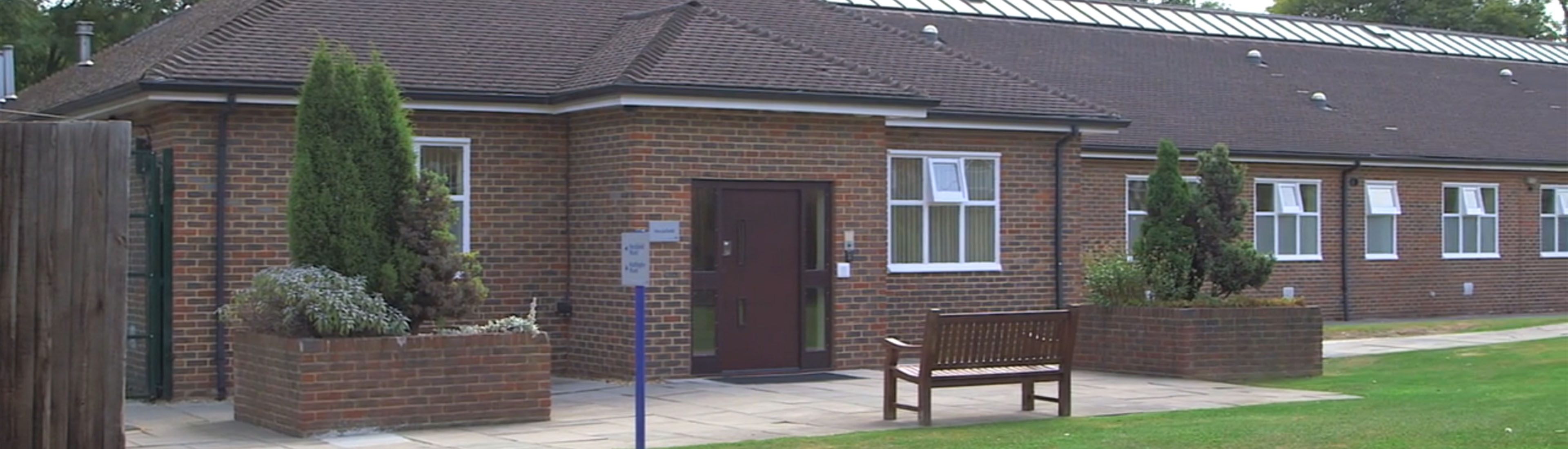
Tony* was admitted to Mattingley Ward, our low secure unit, under the Mental Health Act (MHA).
Tony was diagnosed with a mild learning disability, mild autism and attention deficit hyperactivity disorder (ADHD). He also had a long history of concerning behaviours, which included physical assaults on others, violent outbursts, theft, substance abuse and inappropriate sexual behaviours.
The team at Mildmay Oaks got to know Tony, and could soon recognise the early signs of his troubling behaviours. This would include being repetitive in conversation, and complaining about fellow patients and certain staff members. He was treatment-resistant and would make phone calls to the police and other professional bodies to make allegations.
These incidents were frequent to start with, but with support from our team, he gradually settled and evidence of progress was noted. He engaged in therapeutic activities, he would take his medication and the level and intensity of incidents decreased. Activities he became compliant with included:
Occupational therapy
Completing functional assessments and participating in the leisure pathway
Real work opportunities (RWO), including shop assistant and librarian
Supervision in setting SMART goals for his worker role
Cooking, kitchen and safety skills
Learning to use public transport, shopping and completing road safety assessments
Shopping and budget setting
This progress prompted him to be considered for Heckfield Ward, our rehabilitation unit, much sooner than average (less than a year). Upon this transition, it was identified that Tony had a good baseline for his activities of daily living (ADL) and was supported by ward staff to keep this up.
He has settled very well on this ward, despite having fluctuations in his mental state, which we manage positively. Our team have taken the time to get to know him well and know how to reinforce boundaries, reminding Tony what behaviours are acceptable. We put a care plan in place to support Tony in how to best interact with his peers. In addition, we know it is important to reduce Tony’s boredom, which can trigger his inappropriate behaviours. We have also noticed that high consumption of sugar products will increase his hyperactivity and restlessness, so we support Tony with his dietary needs.
Tony now enjoys free access to the kitchen and the least restrictive practice on the ward. His level of incidents has reduced and Tony is very independent in attending to his daily living skills. He can maintain his own personal care with very little support needed. He enjoys cooking and housework with minimal support. He has a great sense of humour and shows kindness towards others.
Tony was soon granted shadowed leave around the hospital grounds, which progressed to unescorted ground leave. Tony is very close to his family and he has expressed that he would like to move back home. There is hope he could move back in the community soon and a place has already been identified for him.
*Patient’s name and image has been changed to protect their identity.