
Michael's rehabilitation story
Katy* was admitted to Priory Lichfield Road in January 2016, with a long history of admissions with various mental health services.

Katy presented with a diagnosis of emotionally unstable personality disorder (EUPD), with historical trauma, neglect, self-harm and relationship problems. Katy has two daughters who were taken into long-term care as she was unable to care for them or herself.
On assessment at other hospitals, Katy was tying ligatures up to 12 times a day, was dependent on staff for assistance with all aspects of daily living, and had no unescorted leave. Katy felt stuck as she was unable to stop self-harming and could not see a future for herself.
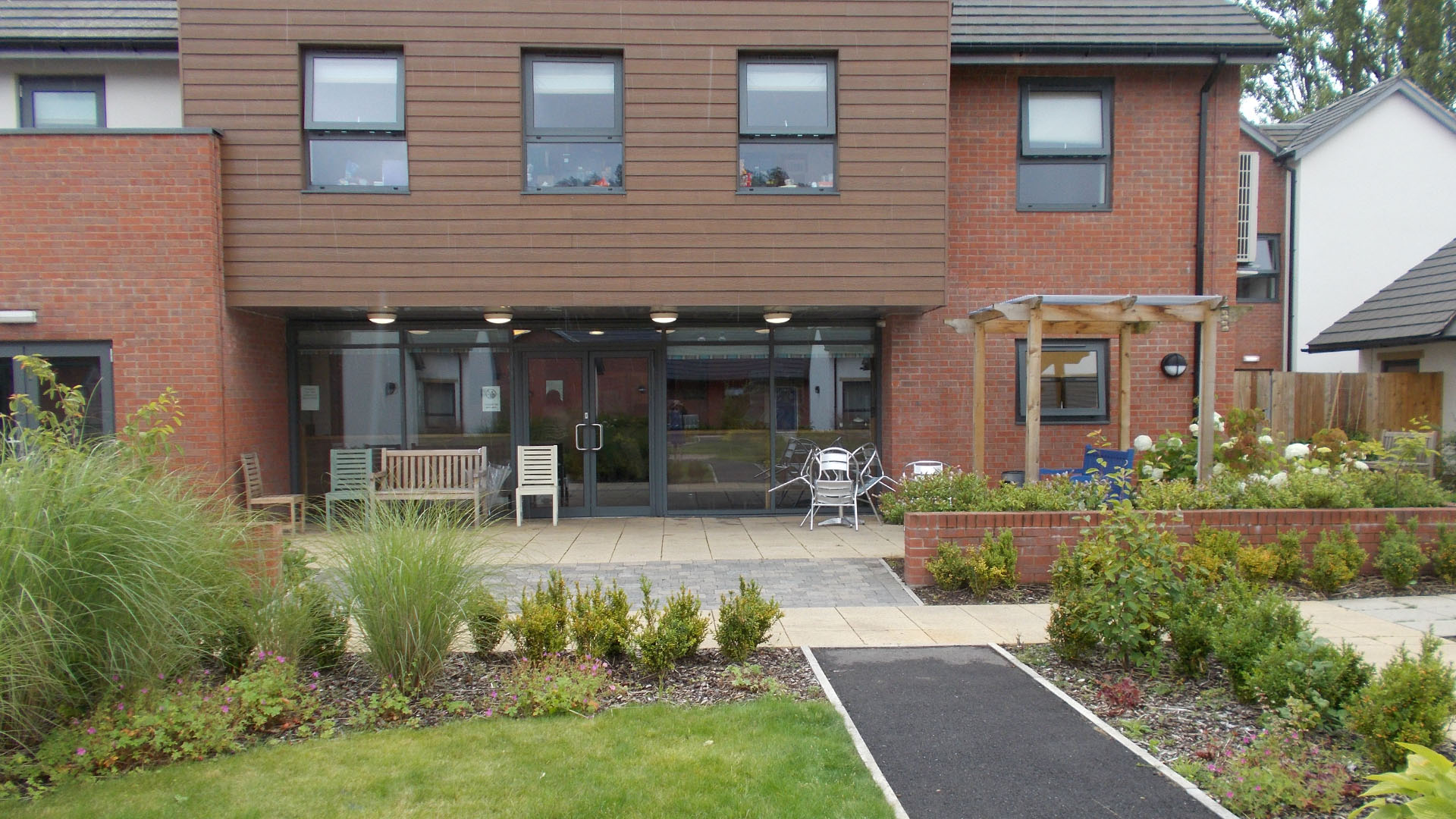
At Priory Lichfield Road, Katy was admitted into the intensive care flats where she had her own bedroom and en suite bathroom, with a shared lounge and kitchen areas.
Occupational therapy and psychology assessments were undertaken with Katy in order to address her care needs, choices and future goals. A tailored care plan was formulated and Katy began to engage in group and individual work, focusing on:
Self-esteem
Confidence building
Assertiveness
Budgeting
Shopping
Cooking
Physical and emotional wellbeing
During her time in the intensive care flats, Katy tied a ligature only three times in total. When she was asked what the difference was compared to other placements, Katy told staff it was because she felt they had time for her and listened.
As her confidence grew, Katy was granted unescorted leave. Through shared risk management, Katy was able to utilise leave without incident. Given her progress, the team were also able to support Katy with face-to-face contact with her children – something which increased her self-esteem and self-worth enormously.
Within 6 months, Katy was able to move to a bungalow – a step down to prepare for a return to the community. She continued to make steady progress, was able to tolerate a reduction in her medication and didn’t return to ligating as a coping mechanism. Engagement in individual wellness recovery action plan (WRAP) work has meant that Katy has developed an excellent awareness of her triggers and relapse signs.
Katy finished her psychology work and was made informal in May 2017. She was very proud of this and has remained informal since, taking on paid work in the local community, gaining a new flat, and seeing her children more
*Name and image has been changed to protect their identity