
Compassion and resilience at Barnt Green
From enhanced observations to greater independence and discharge - Sean's recovery on our acute ward.
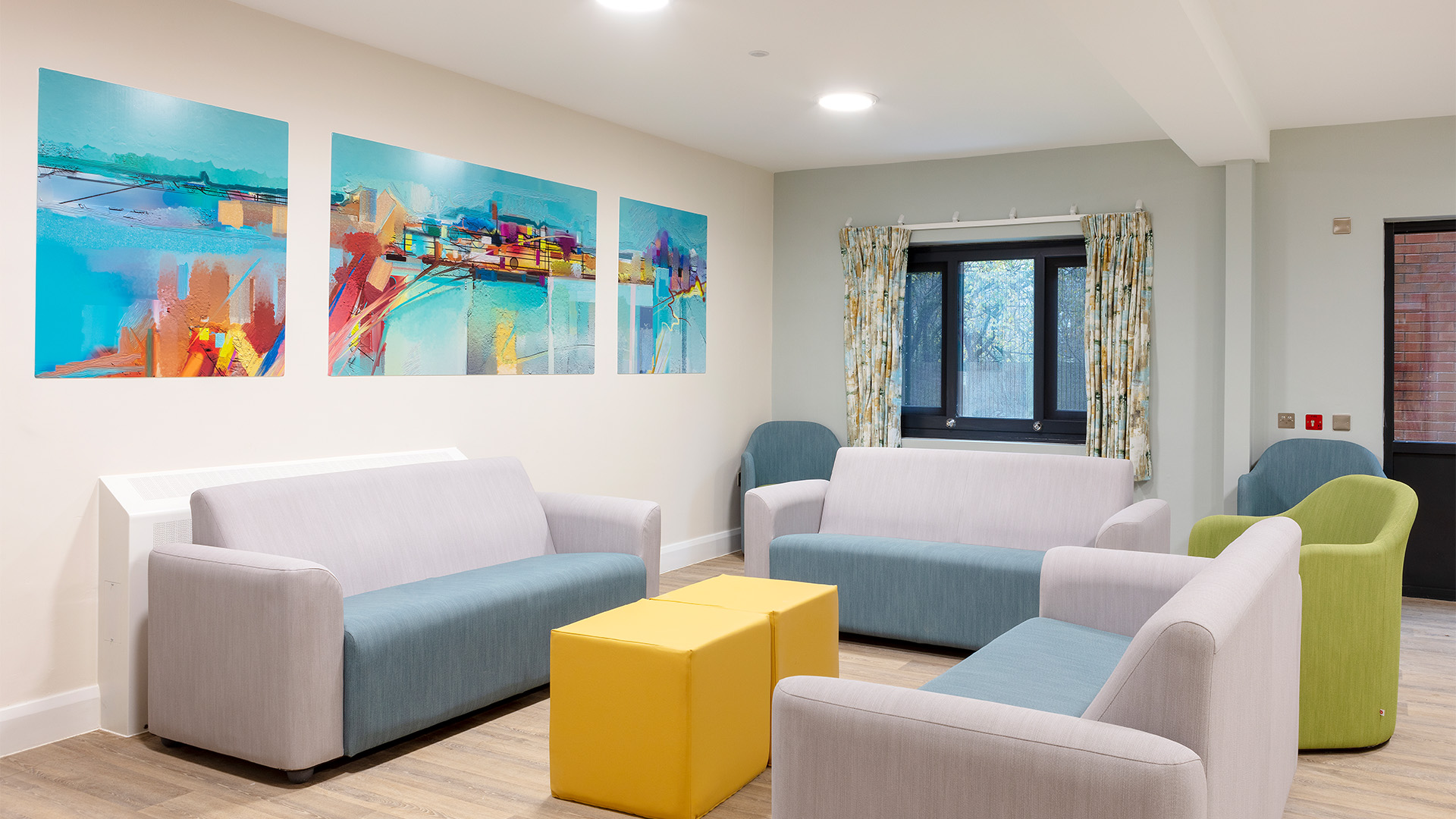
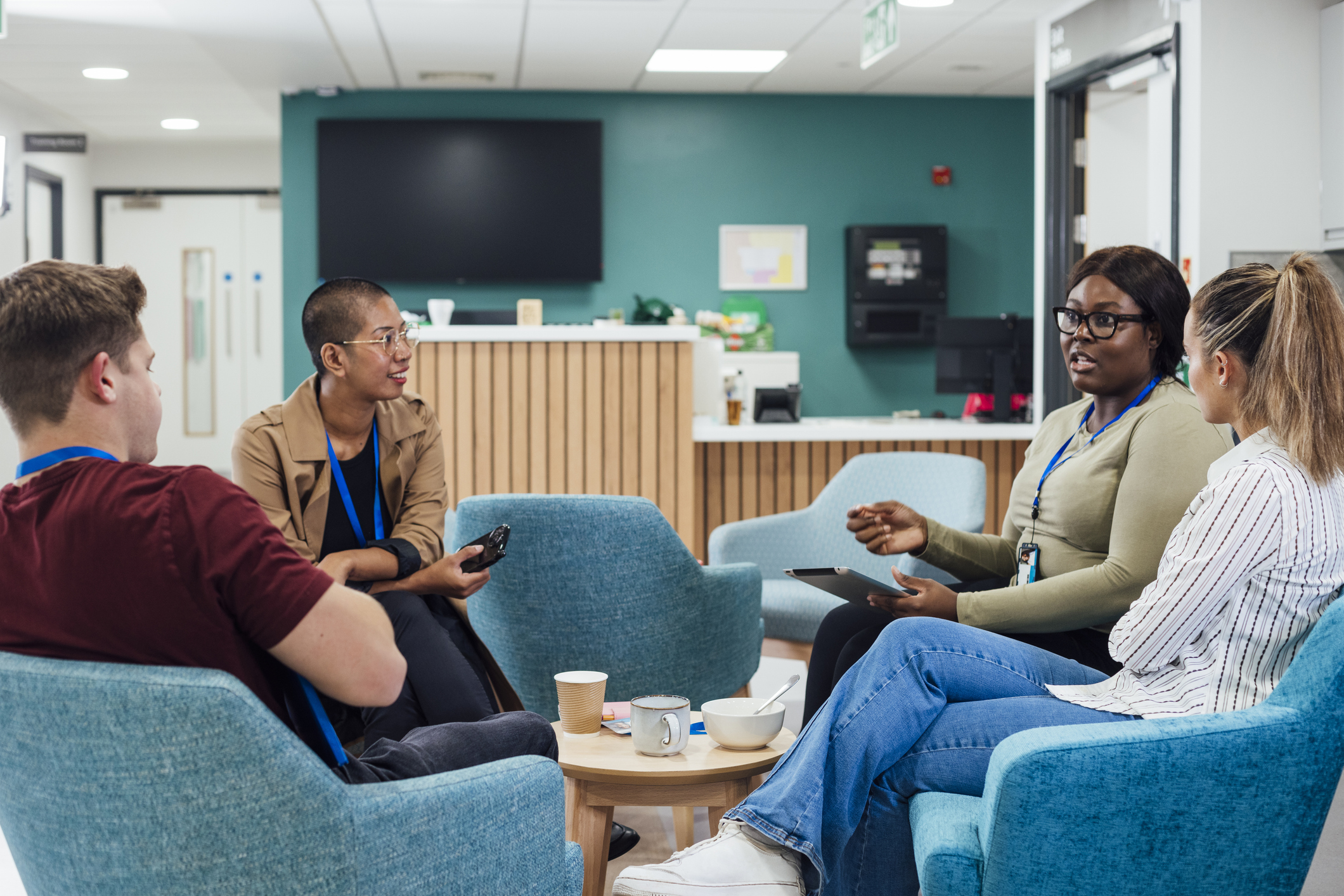
The team were able to support the patient throughout admission and get him to a place where he was able to regain some of his independence, to engage and communicate with others, and he was able to be discharged back home and continue his journey surrounded by the people and things that he loved.
Sean* arrived at Barnt Green from supported accommodation, when his mental health took a significant decline. He had become catatonic, was not able to meet any of his own needs, and was unable to mobilise and/or communicate effectively.
Sean had a diagnoses of organic catatonic disorder, childhood autism, and has a physical disability. His referral was reviewed by our responsible clinician, following our usual robust process, then the following day we arranged a meeting with Sean’s team to get a good understanding of his current presentation, the treatment required, and gained insight into what they hoped an admission to an inpatient ward would achieve.
We initially supported Sean with enhanced observations, to thoroughly help with diet/fluid intake, with personal care, with activities of daily living, communication and engaging in activities.
The team completed weekly MDT meetings to review his care and his team and family were always invited to be included in this. He often had visits from friends and family and was encouraged by the team to engage with these visits as much as possible.
At the beginning of the admission the team met some challenges associated with providing care to an individual with profound learning disability needs – requiring quite intensive support 24 hours a day to ensure his safety, personal care and overall wellbeing. This type of care was unusual for the inpatient acute environment and therefore was new to a lot of the staff working on the team at the time. However we quickly adapted to the care needs, built up a trusting, effective, and positive relationship with Sean, and eventually we were able to see him communicating more effectively, mobilising independently, eating and drinking well, engaging in activities, attending activities, and he even attended and contributed to a community meeting with other peers.
The team received visits from the patient’s home team on a number of occasions and completed a ‘safe well’ review, from which the ward received exceptional feedback and really positive comments about the compassion, patience and understanding that was consistently being shown to Sean.
The team were able to support the patient throughout admission and get him to a place where he was able to regain some of his independence, to engage and communicate with others, and he was able to be discharged back home and continue his journey surrounded by the people and things that he loved.
*Name and images changed to protect identity.