In his own words
When I was first admitted, I had already spent a prolonged period in hospital and my mental health had not improved as expected. I had been experiencing psychosis, including hearing voices that instructed me to harm myself. I had also attempted to leave hospital on several occasions and used drugs when I was able to, which negatively impacted my recovery.
Prior to this, I had been studying at university, but my mental health deteriorated and I was unable to continue. I felt stuck in a cycle of relapse without fully understanding what was contributing to my difficulties.
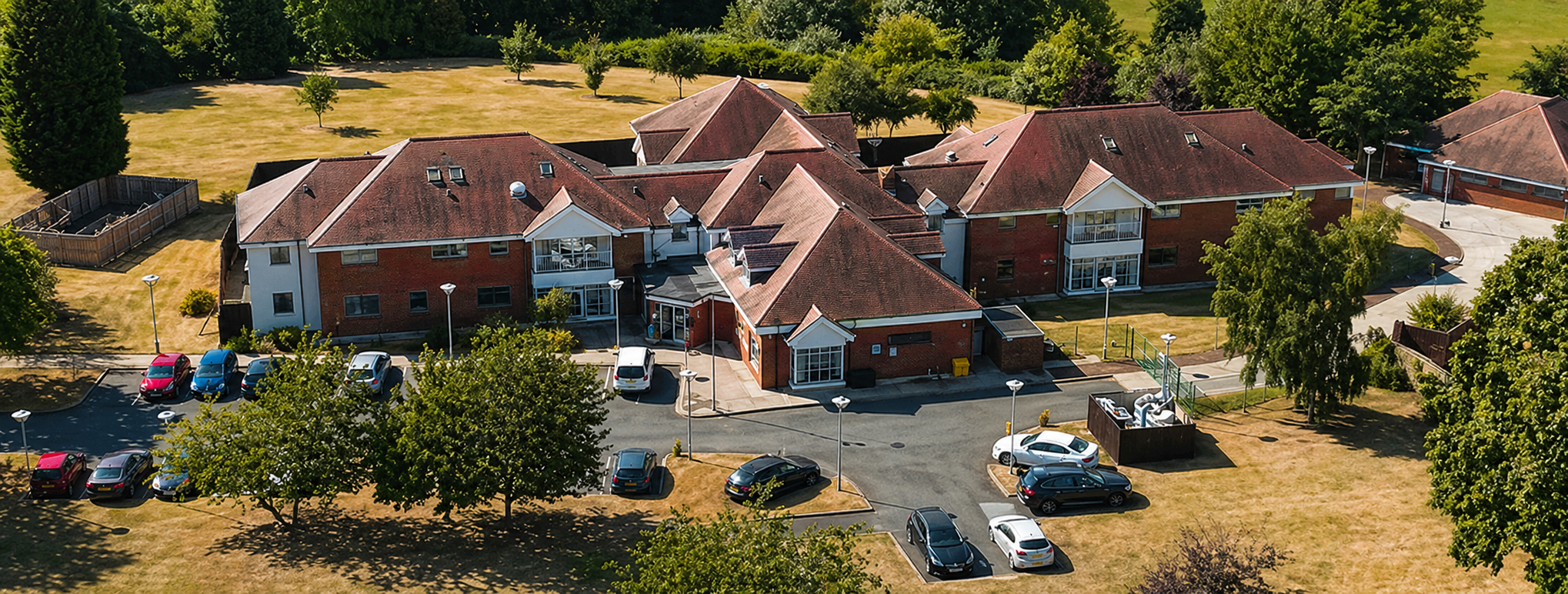
When I arrived at Priory Hospital Solihull, I continued to experience symptoms of psychosis and initially found it difficult to engage. I tended to isolate myself and experienced high levels of anxiety, particularly in social situations.
Over time, I began working with the multidisciplinary team, who supported me through a combination of therapy and medication. As I became more settled, it became clear that there were additional factors influencing my presentation.
Initially, I found it difficult to accept this diagnosis. However, with support from the psychology team, I developed a better understanding of how this related to my anxiety, communication style and how I respond to the world around me. This informed a more tailored approach to my care.
As my treatment progressed, my psychotic symptoms reduced and eventually reached remission. My anxiety also became more manageable, and I was able to revisit and apply strategies to support this.
I began to rebuild my independence, working with the occupational therapy team on practical skills such as:
- Managing money
- Improving my sleep routine
- Balancing personal expectations
I also developed greater confidence socially. At the start of my admission, I found it difficult to engage with others, but through attending a social skills programme, I was able to practise communication and feel more comfortable both on the ward and in the community.
During my admission, I completed my university degree online. I also attended a virtual interview and secured employment, providing a positive focus as I prepare for discharge.
I am now in a more stable position. I have a better understanding of my mental health and the support I require, and my family are better equipped to support me. I am looking forward to continuing my recovery, starting work, and transitioning back into the community.
*Name and image has been changed to protect identity