
Mason's bespoke therapeutic placement
Discover how personalised therapeutic support helped Mason build trust, self-regulate and thrive.
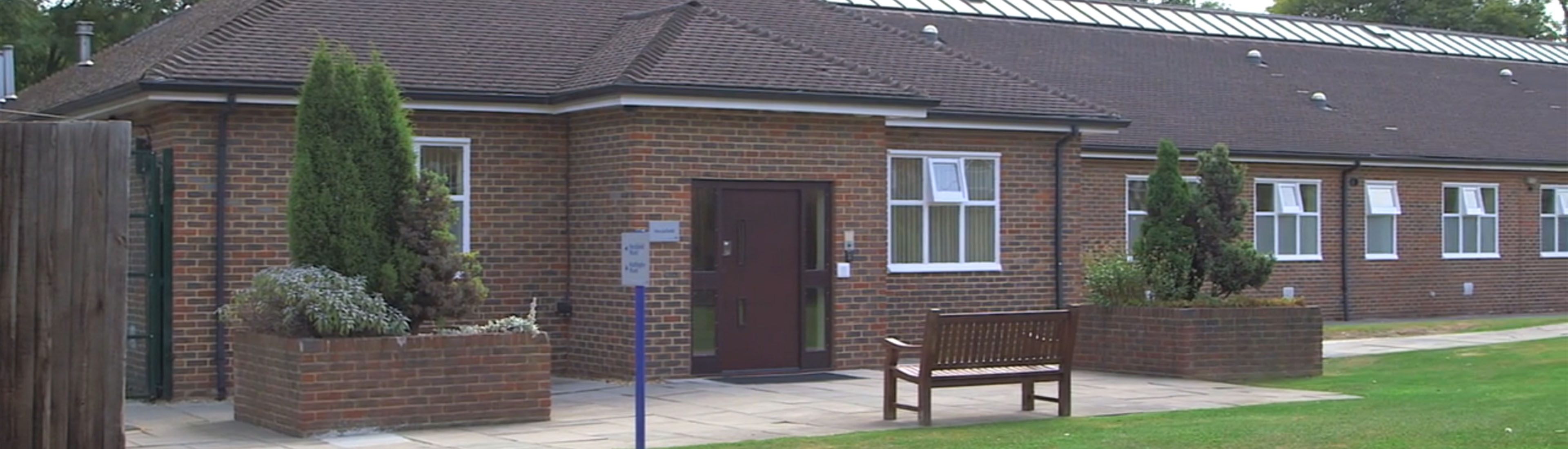

Priory Hospital Mildmay Oaks created its bespoke therapeutic placement (BTP) on Bramshill Ward, when an area of need was identified for a young patient coming into our care. Following the closure of a child and adolescent ward at another hospital and due to their complex and challenging needs, Mason* only had one bed identified as suitable for him across the UK. However, the bed would not be available to him for several weeks.
Fortunately, Mildmay Oaks had a five-bedded ward that was not in use at this time and it was agreed that Mason could come to Mildmay Oaks on an interim arrangement, until his bed was ready for him.
Our team were more than happy to accommodate and support Mason, and set up a bespoke placement where they focused on developing a nurturing nursing and care team who were skilled in autism. They also created a bespoke multidisciplinary team, which was led by an autism consultant. They designed activities specifically around Mason’s interests and abilities, with therapies including music, play and cooking, plus educational engagement work.
The overall aim was to encourage Mason to engage meaningfully in his own care, whilst building his confidence and trust in the team.
The placement was created specifically for Mason, down to the bedding, wall stickers and his favourite meal on his first night with the team. The attention to detail and genuine care every member of the BTP team put into the planning and delivery was incredible. The key was working with Mason’s family from the onset and ensuring they were involved in their child’s care. Together, positive changes started to happen.
When Mason first arrived at Mildmay Oaks, he presented with high risk of assaultive behaviour towards staff, as well as destructive behaviour to the environment. Our senior team worked tirelessly with the nursing and health care workers and provided ongoing staff training, reflective practice and wellbeing initiatives, which supported the whole process and promoted positive results for all involved.
Over time, it became clear that the ‘single person environment’ was contributing towards these positive outcomes. The initiative allowed Mason time to self regulate and he was able to control his own environment without being a risk to others. Seclusion and restraint were no longer necessary and the environment was a safe place for him, which mirrored a community environment more than what was usually possible.
Mason developed his independence skills well and has now returned back to the community, living near his family. He will forever be remembered at the hospital for being the first to experience our new BTP. To this day, our BTPs continue to support young people who may struggle on larger wards and we have now split this space into two areas, so we can support more young people at one time.
*Patient’s name has been changed to protect their identity.