
Ms Hewett's progress at Egerton Road
Read how Ms Hewett has built confidence, communication and independence through consistent, multidisciplinary support.

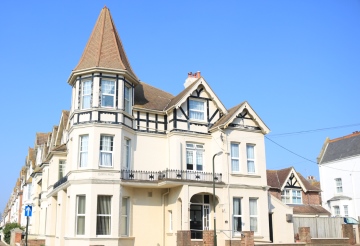
Ms Hewett, a resident at Egerton Road, has made significant progress following a life-changing acquired brain injury (ABI), supported by a consistent and dedicated multidisciplinary team. Since her move, she has developed greater confidence, communication skills and independence, and is now engaging positively in daily life and the wider community.
Ms Hewett experienced a stroke resulting in an acquired brain injury (ABI), and an MRI scan revealed a lesion caused by inflammation, leading to a diagnosis of central nervous system (CNS) involvement sarcoidosis, a long-term condition causing inflammation of both the brain and spine. A couple of years later, she suffered another stroke and was admitted to the Sussex Rehabilitation Centre (SRC). As a result of her brain injuries, she presents with moderate receptive aphasia and moderate to severe expressive jargon aphasia.
Before moving to Egerton Road, Ms Hewett spent 10 months at Kerwin Court. Previously, she worked as a paramedic call operator and studied English at university. She has historically struggled to process change, which could lead to an increase in behaviours that challenge.
Following an initial settling-in period, Ms Hewett engaged in assessments with the multidisciplinary team (MDT), including interest checklists, personal care, shopping and cooking assessments, road safety evaluations and psychological observations. She initially found communicating her needs challenging, so the MDT referred her to the speech and language therapy (SALT) team.
Visual aids and tailored strategies were introduced to support communication, enabling her to express preferences more effectively.
Upon arrival, Ms Hewett experienced fluctuating moods, with tearful episodes and frustration when overwhelmed, occasionally leading to disengagement or running from group activities. With consistent support, her mood stabilised, and she now presents as euthymic, smiling, joking and singing, and demonstrating high levels of motivation and enthusiasm for activities and rehabilitation goals.
Ms Hewett relies on staff to support all aspects of personal and domestic activities of daily living (PADLs). A positive behaviour support (PBS) plan, created with the psychology team, guides staff on how best to support her, particularly during challenging periods.
She has engaged in one-to-one psychology sessions to learn keyboard skills, progressing from recognising letters to typing short words and phrases, demonstrating determination and sustained engagement throughout.
Occupational therapy supports her fine motor skills, upper limb strength and co-ordination through tailored bilateral hand and arm exercises. These therapies contribute to increasing independence in daily living tasks.
Ms Hewett now participates actively in personal care, shopping, cooking and other daily activities. Using visual aids and communication cards, she expresses preferences for meals, activities and clothing.
She chooses her hairstyle, dresses herself with minimal support, and initiates tasks around the home, including preparing meals, clearing tables and managing waste.
She enjoys singing, humming and dancing, and communicates with staff through gestures, facial expressions and intonation. She has recently begun volunteering at a local homeless charity, assisting with sorting clothes and engaging enthusiastically with staff support.
She also attends weekly yoga sessions and occasional walking groups through a community wellbeing programme.
Ms Hewett has made significant cognitive gains, attending brain training groups and completing tasks with reduced support. She remains motivated to continue increasing independence and communication skills, with goals including attending volunteering independently and eventually living in her own supported flat.
Her determination is reflected in her frequently used phrase: “I want to do.”