
SP's* journey at Ebbsfleet house
Read how SP moved from crisis to stability at Priory Ebbsfleet House through consistent, multidisciplinary support.
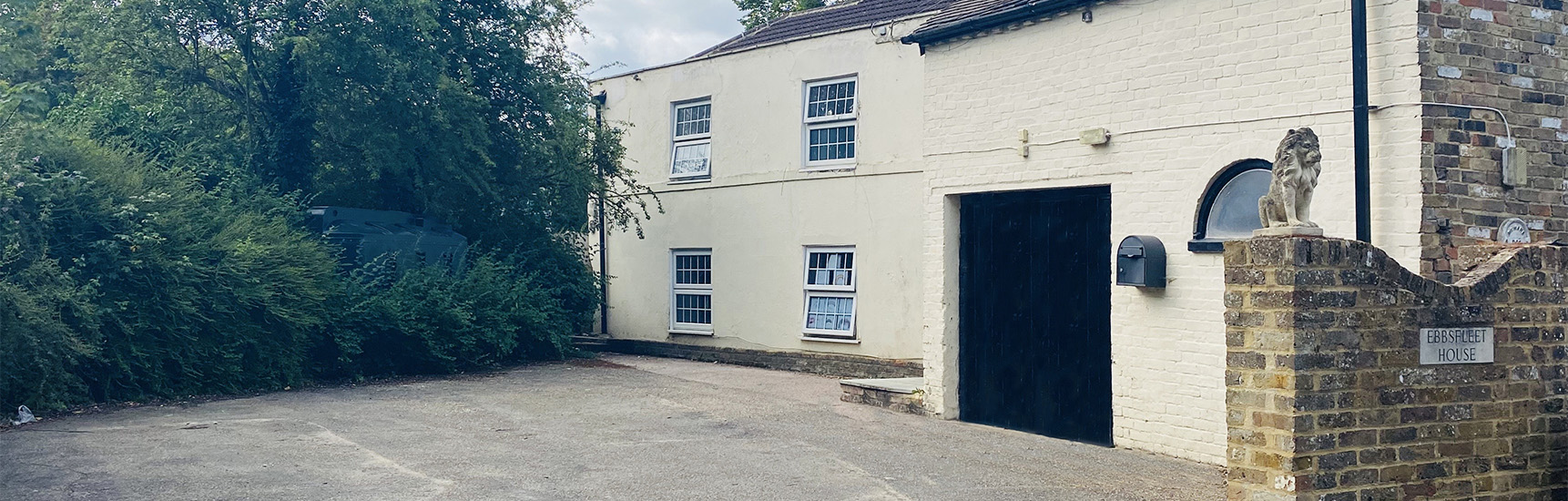

SP has made significant progress following a period of acute distress, with consistent support helping him reduce self-harm, manage emotions safely, and build stability, confidence and a greater sense of wellbeing.
SP* is a man in his mid-30s whose early life was shaped by significant adversity. Growing up in a household affected by alcohol dependence, he experienced instability, conflict, and loss from a young age. Following the deaths of both parents, SP entered a cycle of substance misuse and offending, leading to a prolonged period in prison.
SP arrived at Priory Ebbsfleet House under secure conditions, accompanied by prison escorts and healthcare staff. On admission, he presented in acute distress, with visible injuries linked to self-harm and a long history of similar behaviours.
He required intensive support and was placed on the highest level of observation, with staff maintaining constant supervision to ensure his safety. At this stage, SP was highly anxious, withdrawn, and struggled to engage. He experienced significant difficulties with emotional regulation and held a fixed belief relating to his physical appearance, contributing to repeated self-harm attempts.
In the early weeks, there were multiple incidents where SP attempted to access items to harm himself, which also impacted the wider ward environment.
SP initially found it difficult to engage with staff and therapeutic input. He often isolated himself and required support with basic self-care. His physical health deteriorated during this period, requiring treatment for infections linked to poor hygiene.
A structured, multidisciplinary approach was introduced, involving nursing, medical, psychology, and occupational therapy teams. His care plan was regularly reviewed and adapted, with a clear focus on stabilisation and risk management.
A significant shift in SP’s progress followed the introduction of clozapine. This supported a reduction in his anxiety and enabled more meaningful engagement in therapeutic sessions.
As his engagement increased, SP began working collaboratively with staff, including contributing to his care planning. This marked the beginning of a gradual reduction in observation levels.
With continued support, SP showed clear improvements in emotional regulation and behaviour. He became more present on the ward, initiated conversations, and expressed his thoughts in a safe and constructive way.
Over time, restrictions were reduced as his risk decreased. SP demonstrated that he could manage previously challenging situations, reflecting growing confidence and trust in both himself and the team supporting him.
SP is now an active member of the ward community. He spends time in communal areas, engages positively with others, and enjoys activities such as playing pool. He maintains appropriate boundaries and contributes to a settled and supportive environment.
SP has made significant progress since his admission:
He was recognised by peers as ‘patient of the month’, reflecting both his progress and the positive impact he has had on others.
SP is now preparing for next steps, including engaging with legal processes and planning for the future. He continues to participate actively in his care and demonstrates a clear understanding of his progress and ongoing needs.
SP has shared that he feels he is now in a better place, reflecting on how far he has come since admission.
SP’s journey highlights the impact of consistent, compassionate, and multidisciplinary care. Through trust, structure, and personalised support, he has moved from a period of acute crisis to one of stability, engagement, and renewed hope for the future.
*Name has been changed to protect identity