Priory London young people's mental health service
- Private adolescent service in London
- Support for young people aged 12 to 17
- Highly qualified specialists
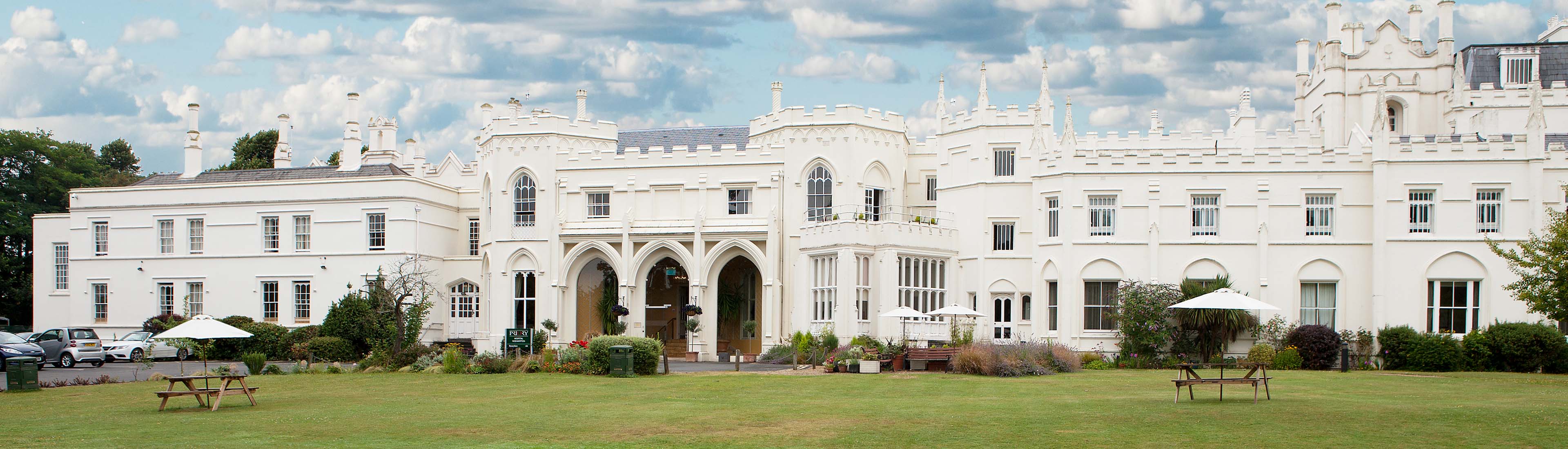
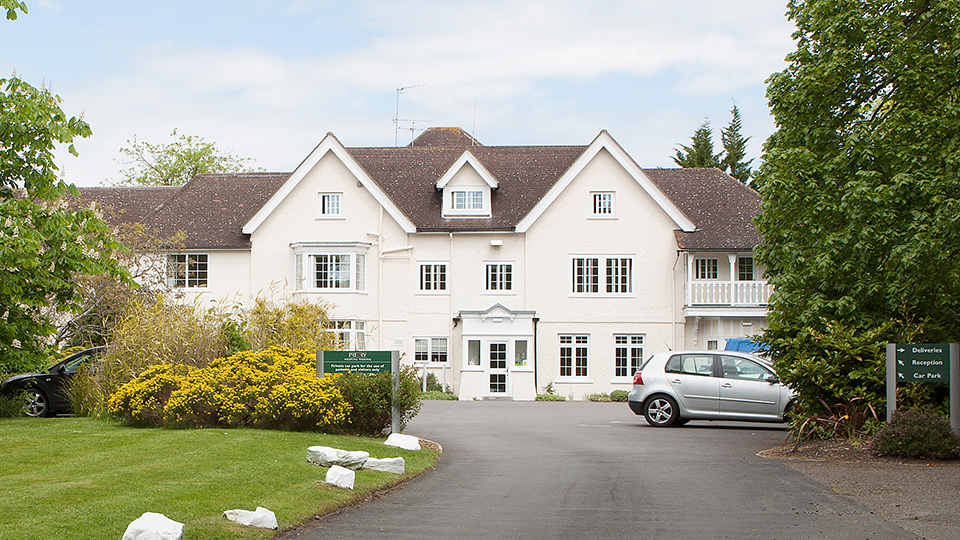
Located in the prestigious borough of Richmond, in London’s South West, Priory Hospital Roehampton offers expert inpatient and day hospital care for young people facing mental health challenges and/or co-occurring addictions. Our dedicated young people's mental health inpatient service provides specialist support for up to 16 young people, across two wards: Richmond Court and Kingston Court.
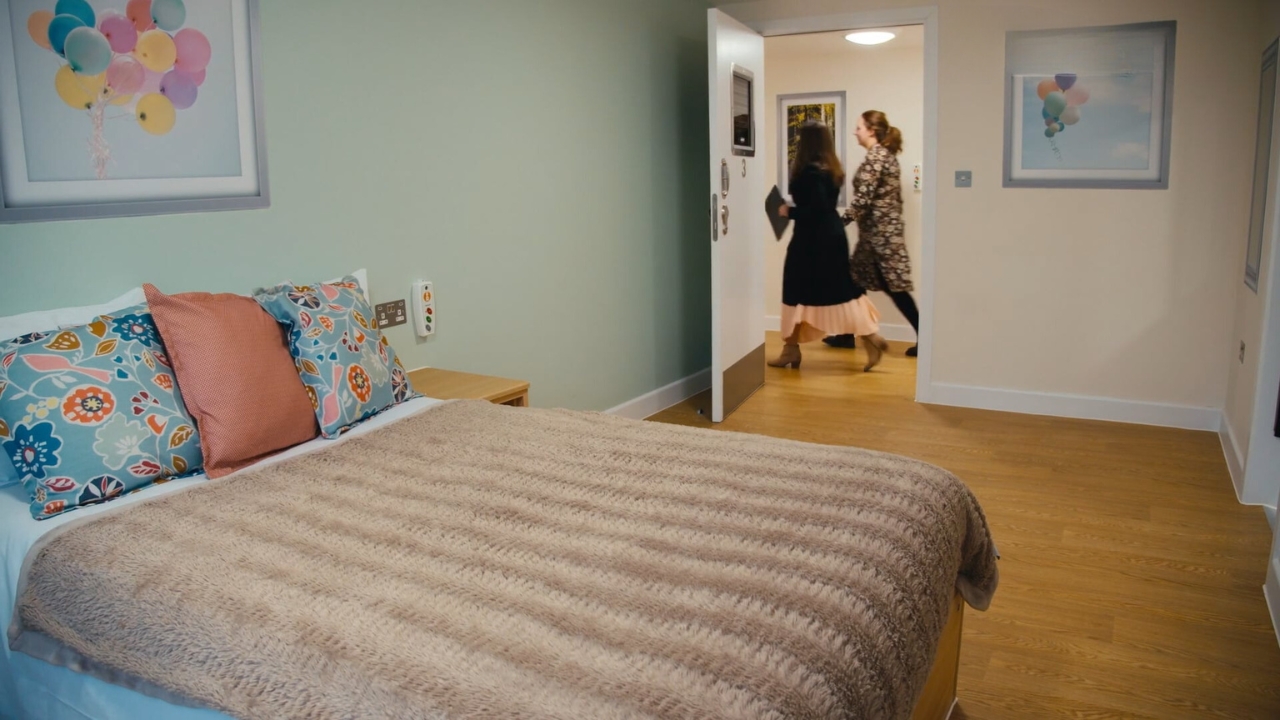
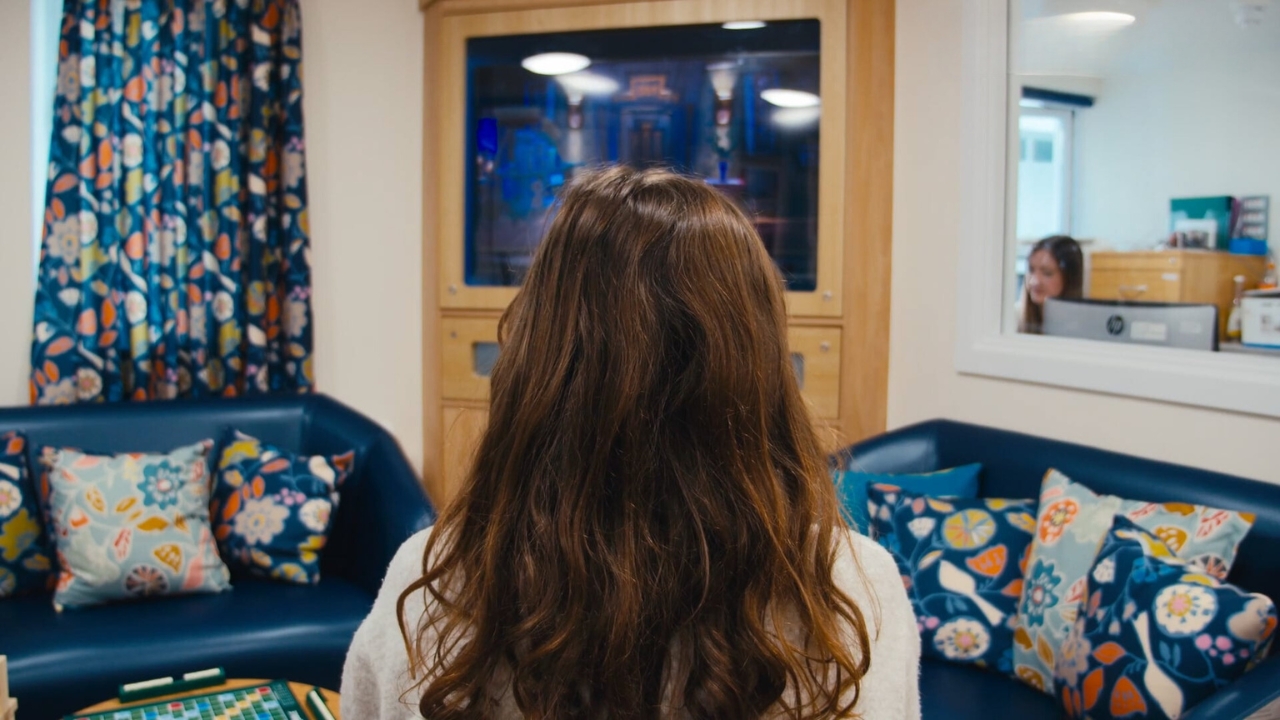
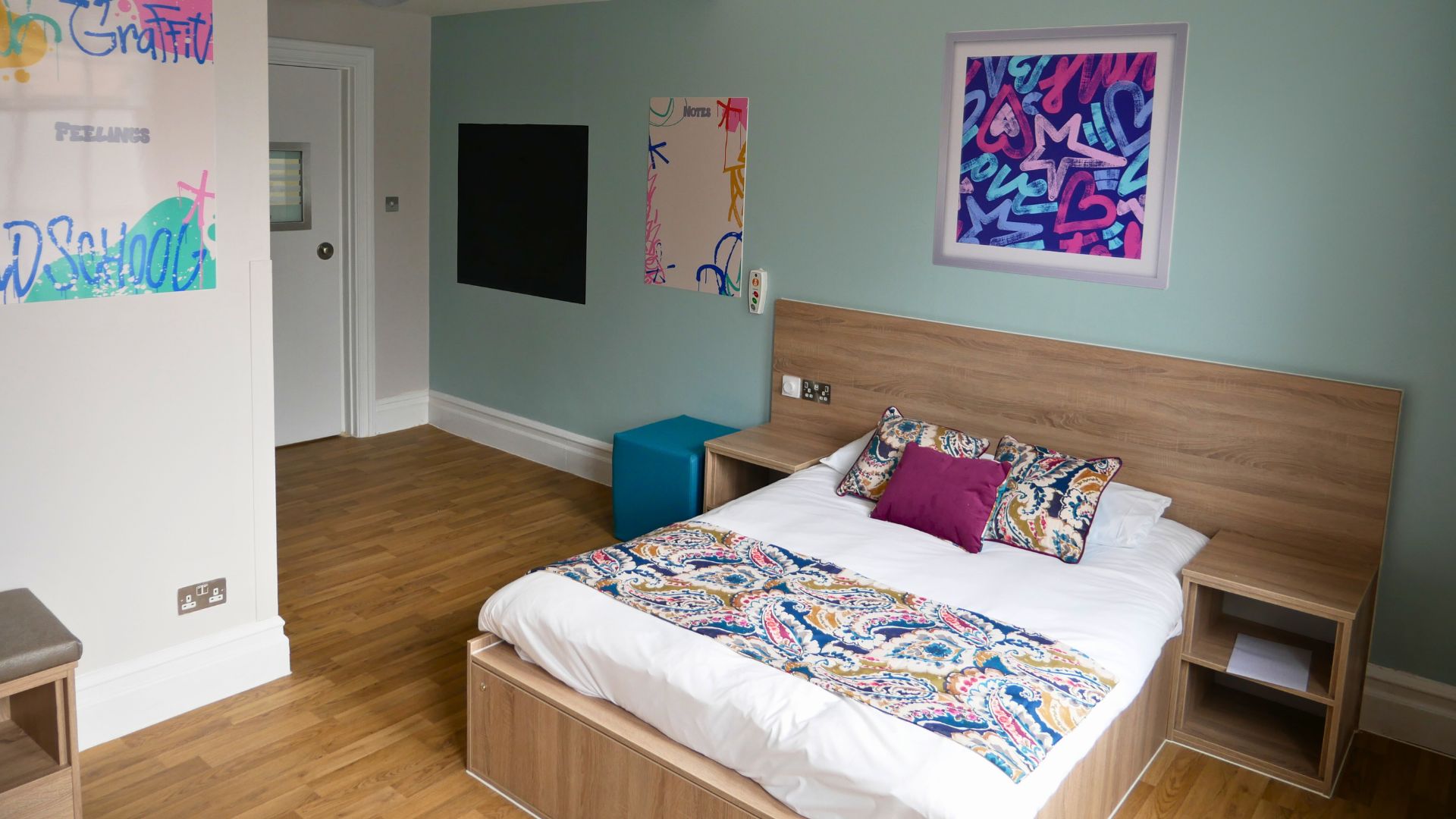
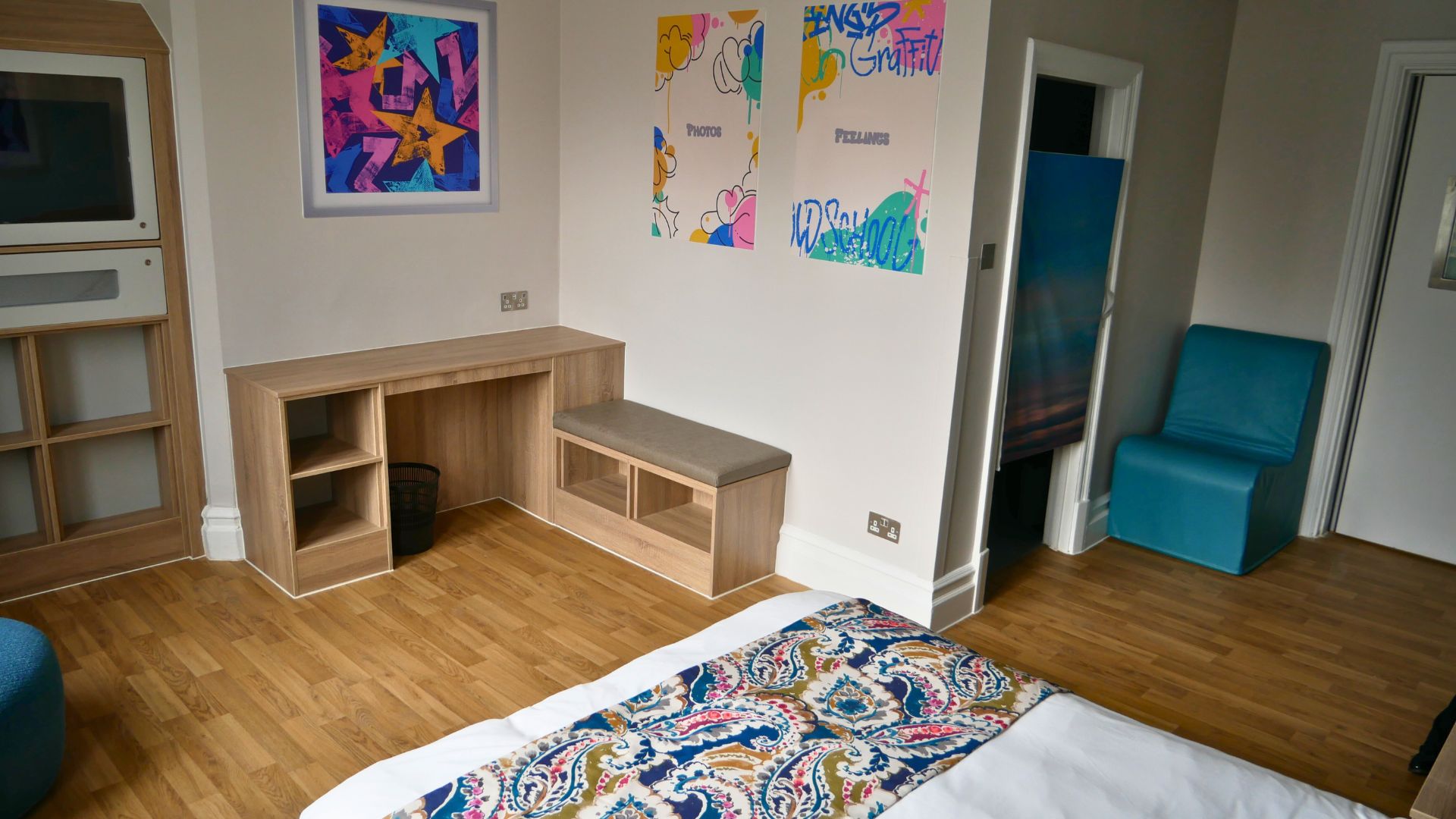
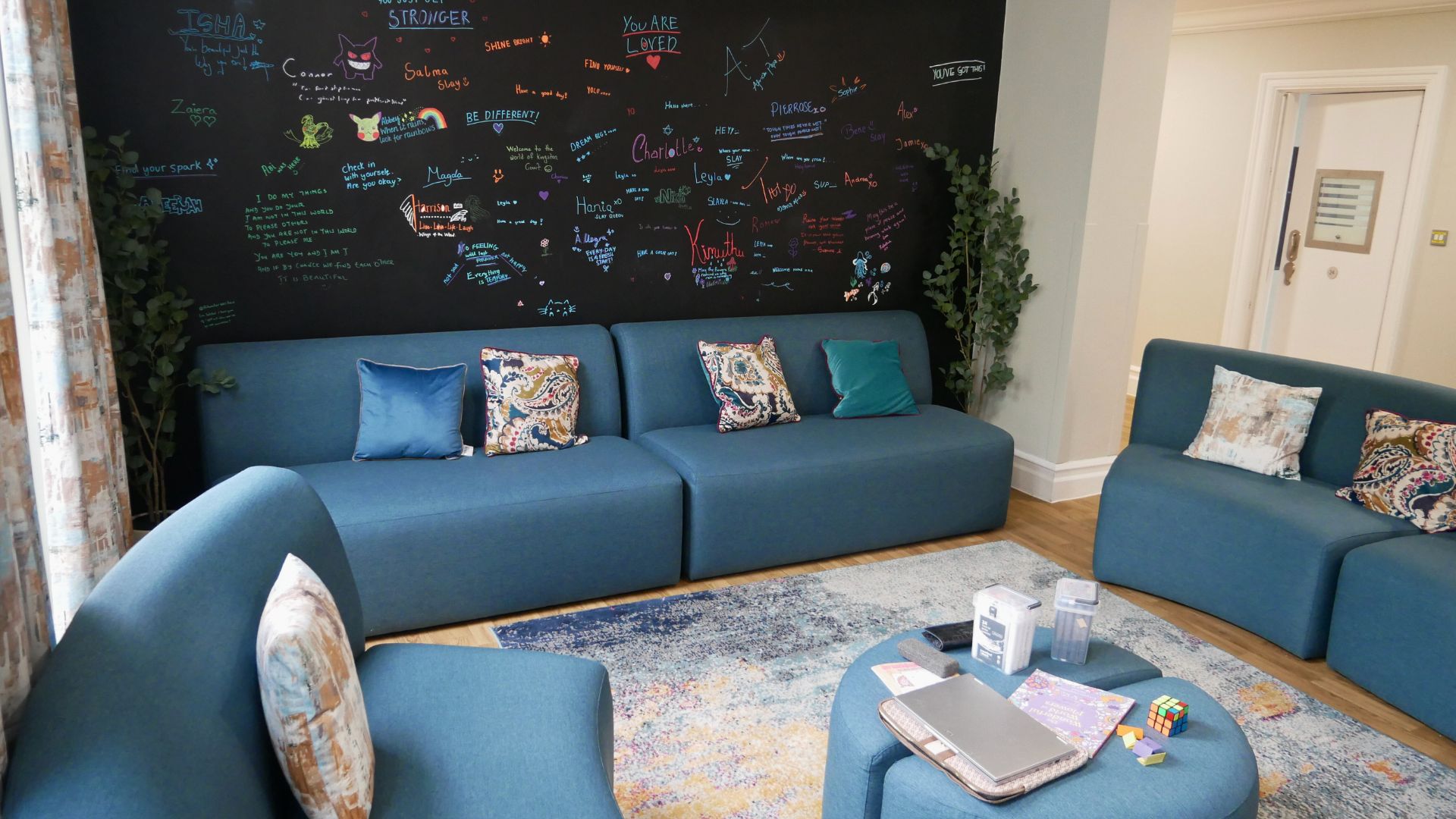
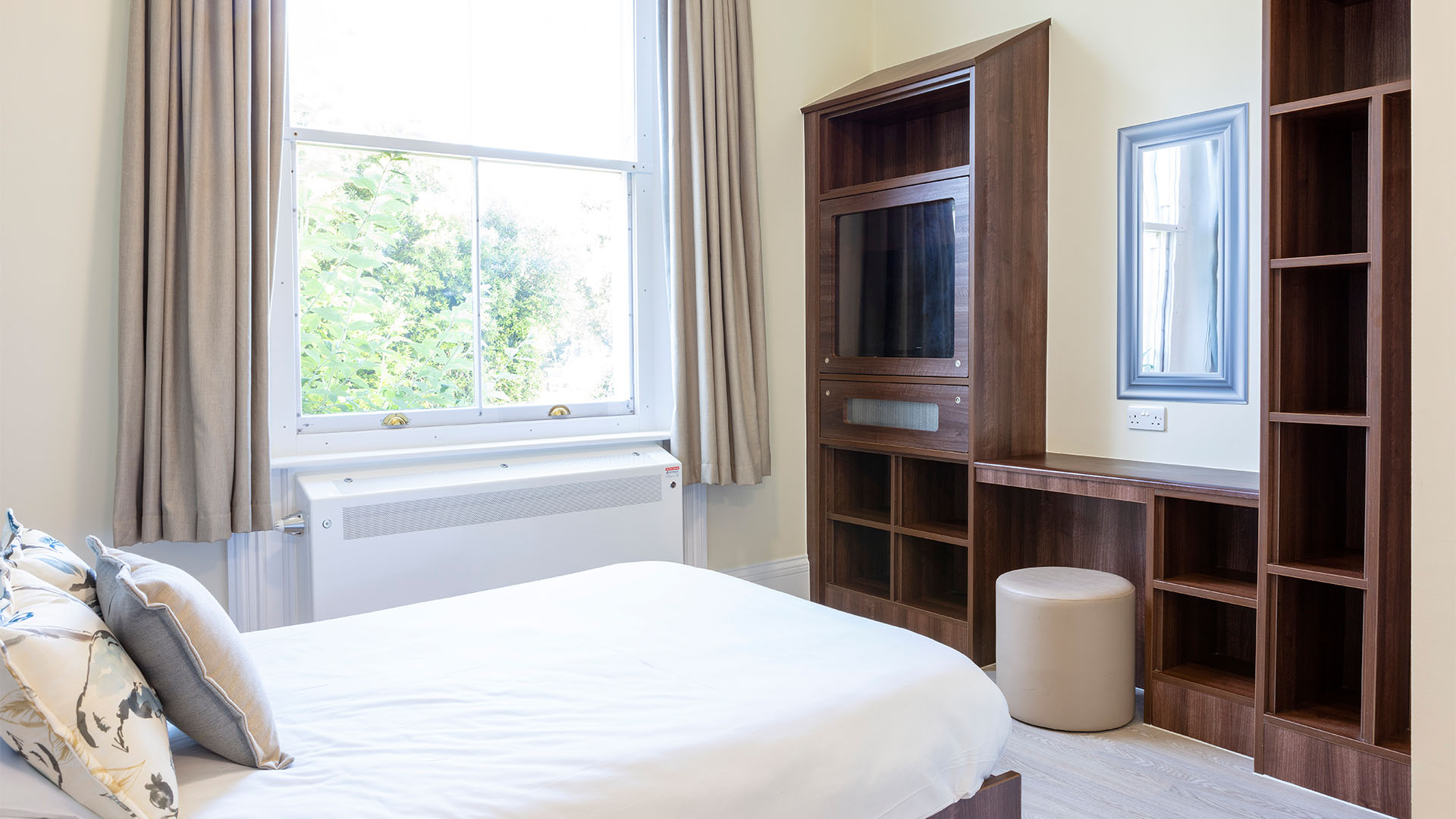
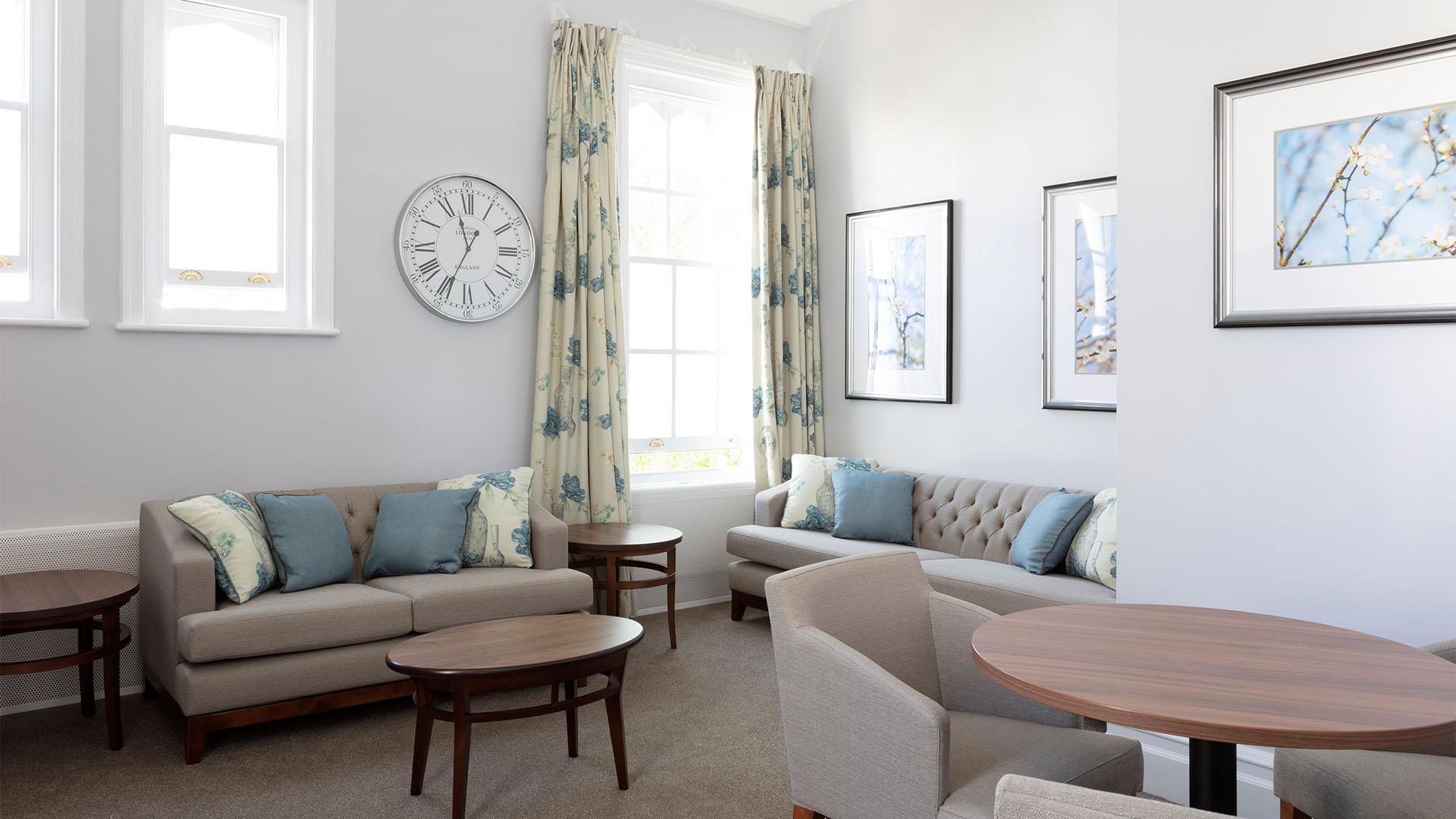
Our young people's inpatient service, sometimes referred to as private child and adolescent mental health services (CAMHS), delivers evidence-based treatment for young people aged 12 to 17 in a nurturing and age-appropriate setting. Situated in a newly refurbished area of the hospital, Richmond Court and Kingston Court offer a total of 16 single-occupancy, en-suite bedrooms, along with welcoming and comfortable living areas, designed to promote recovery and wellbeing.
Alongside inpatient care, we also offer:
In summary, Priory Hospital Roehampton offers flexible CAMHS treatment pathways including outpatient therapy, day care, day hospital and inpatient support, allowing young people to access the level of care that best meets their individual needs.
We provide:
Priory Hospital Roehampton’s young people's services have been rated as 'good' by the Care Quality Commission (CQC) and Roehampton Hospital School, inspected by Ofsted, has been rated as 'outstanding' across all categories.
The CQC report, published on 17 February 2025, highlighted that:
| Areas looked at | Rating |
|---|---|
| Effectiveness | Good |
| Caring | Good |
| Responsive | Good |
| Well Led | Good |
| Safe | Good |
| Overall rating | Good |
Roehampton Hospital School, inspected by Ofsted, has been rated 'outstanding' across all categories, including overall effectiveness, quality of education, behaviour and attitudes, personal development, leadership and management, and sixth-form provision. The school provides term-time education for pupils who are inpatients at Priory Hospital Roehampton, while they are supported for eating disorders and other mental health needs.
We are able to treat our young patients using a broad range of established therapeutic modalities. The mental health therapy that's delivered to each young person in our care is person-centred and personalised according to their unique condition, needs and requirements, as part of their treatment experience.
Our young people's mental health inpatient service has been specifically designed for young people in London who may be showing symptoms of mental health difficulties such as:
As a leading mental hospital for teens, we are committed to offering high-quality care that meets the unique needs of each young person.
Our young person’s mental health inpatient service also offers an acute co-occurring addictions pathway, providing specialist inpatient and day hospital treatment for young people experiencing moderate to severe mental health difficulties alongside co-occurring substance use or behavioural addictions, including problematic gaming, social media and internet use.
The programme recognises that mental health and addiction can often occur together and provides integrated treatment to address both, helping young people begin their recovery in a safe, supportive environment. Use the buttons below to learn more.
The acute co-occurring addictions pathway may be appropriate for young people experiencing:
These addictive behaviours would co-occur alongside a range of mental health challenges such as:
The pathway is particularly suitable for young people with the following history:
Treatment begins with a comprehensive assessment to understand each young person's mental health needs, addictive behaviours and wider circumstances.
This will include screening for ADHD and ASC where there is significant evidence of co-occurring neurodiversity in addiction, as well as assessment for general mental health conditions (anxiety disorders, mood disorders etc.).
Our multidisciplinary team develops an individualised treatment plan using evidence-based therapies, helping young people build healthier coping strategies, improve emotional wellbeing and reduce harmful behaviours.
The acute co-occurring addictions pathway includes all of the care and treatment available through our general children and young people’s inpatient pathway, while providing additional specialist support for young people experiencing substance use or behavioural addictions.
The addictions focus pathway enhances this care by providing:
Parents and carers are involved in assessment, family therapy sessions and education designed to improve understanding of addiction and mental health, strengthening communication and support recovery after discharge.
Discharge planning begins from admission to help ensure a smooth transition back home.
Before leaving the service, each young person receives an individualised aftercare plan, which may include ongoing therapy, relapse prevention strategies, school reintegration support and referrals to community services where appropriate.
We support young people experiencing difficulties with alcohol, drugs, prescription medication misuse, gaming, gambling, social media, internet use and other behavioural addictions where these are affecting their mental health and daily life.
The programme may not be suitable for young people who require specialist care beyond the scope of an adolescent mental health inpatient setting, including those experiencing unmanaged psychosis, acute mania, significant learning or communication difficulties that prevent engagement in therapy, complex physical care needs, or risks that cannot be safely managed within the service. Alternative pathways and referrals will be supported where needed.
Yes. Our pathway is designed to treat mental health conditions, such as anxiety, depression and emotional regulation difficulties, alongside co-occurring addictions.
The pathway can be adapted to meet individual needs where appropriate, through inpatient and day hospital treatment.
Yes. Family involvement is a key part of the programme. Parents and carers are offered family therapy, education and practical guidance to help support recovery after discharge.
Yes. Young people have access to education through our onsite school, and we work with schools in the community to support a successful return to learning where appropriate.
Yes. Our consultant psychiatrists assess each young person individually and may recommend medication where clinically appropriate as part of a wider treatment plan.
Referrals can be made by healthcare professionals or by contacting our team directly. We'll discuss your child's needs and whether this pathway is the most appropriate option.
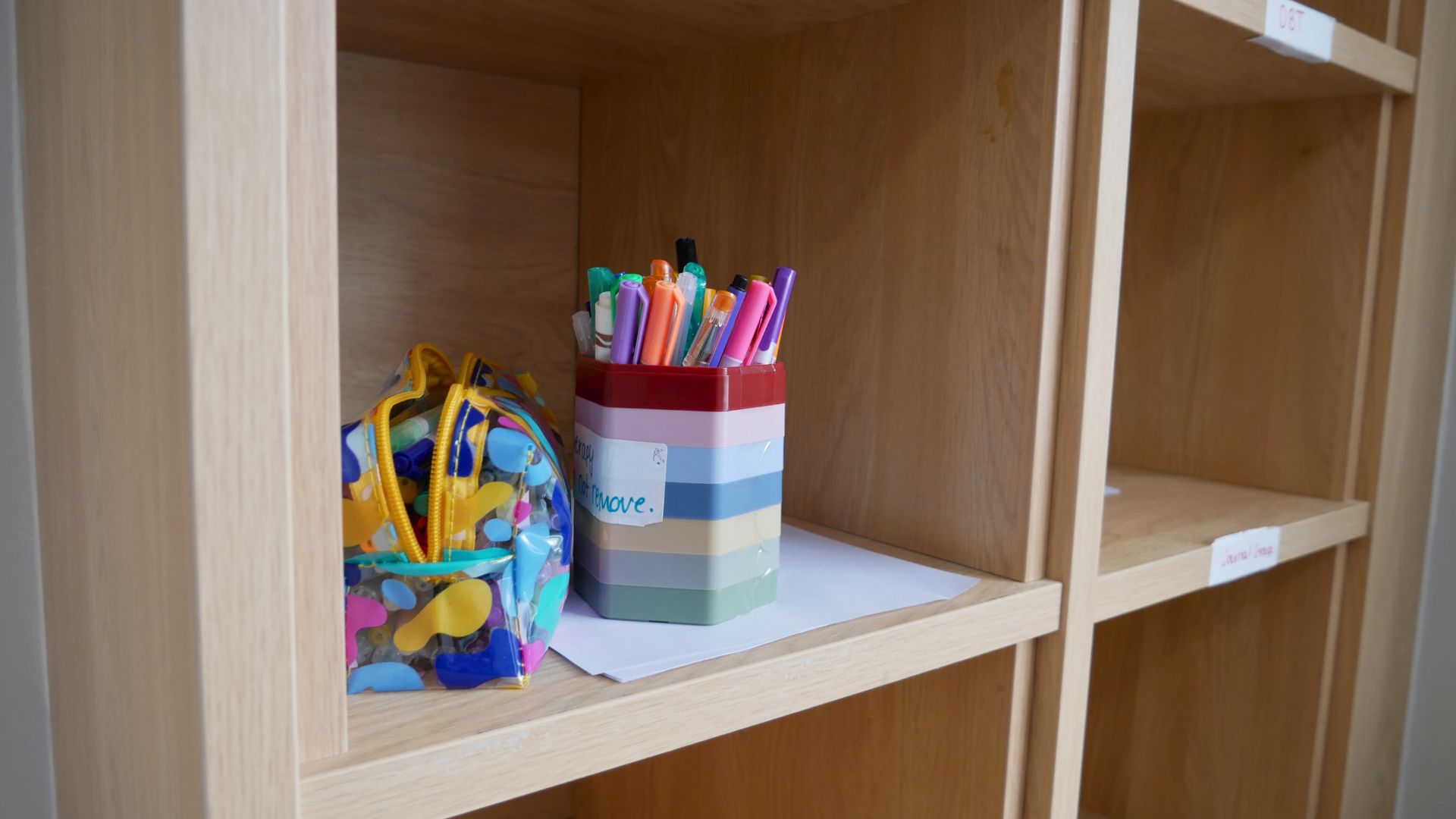
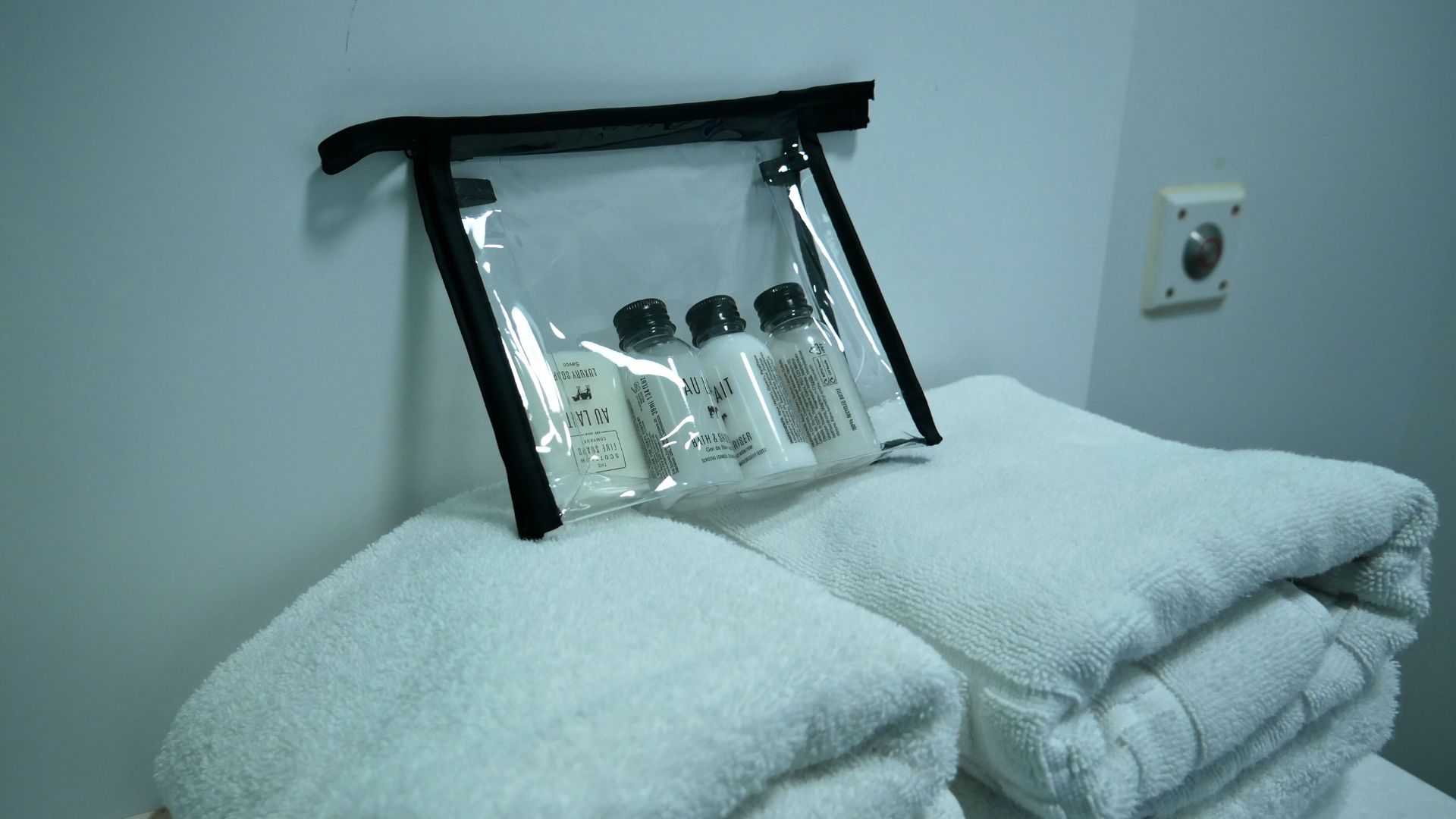
At Priory Richmond Court and Kingston Court, we recognise the importance of a supportive environment in recovery. Our newly refurbished inpatient wards at Priory Hospital Roehampton provide a safe, nurturing space where young people can focus on their mental health and wellbeing in a comfortable, age-appropriate setting.
Our young people's inpatient service provides:
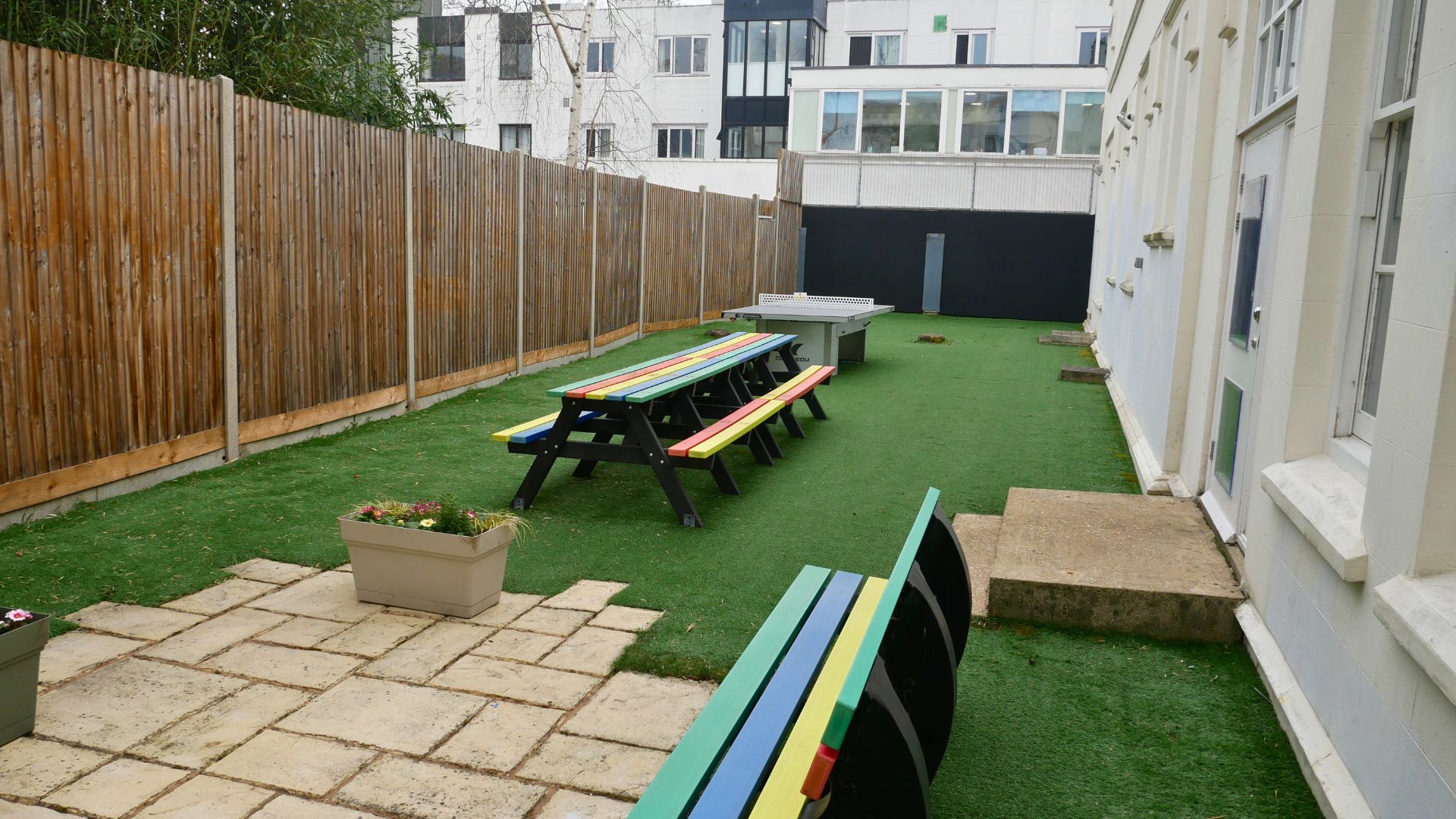
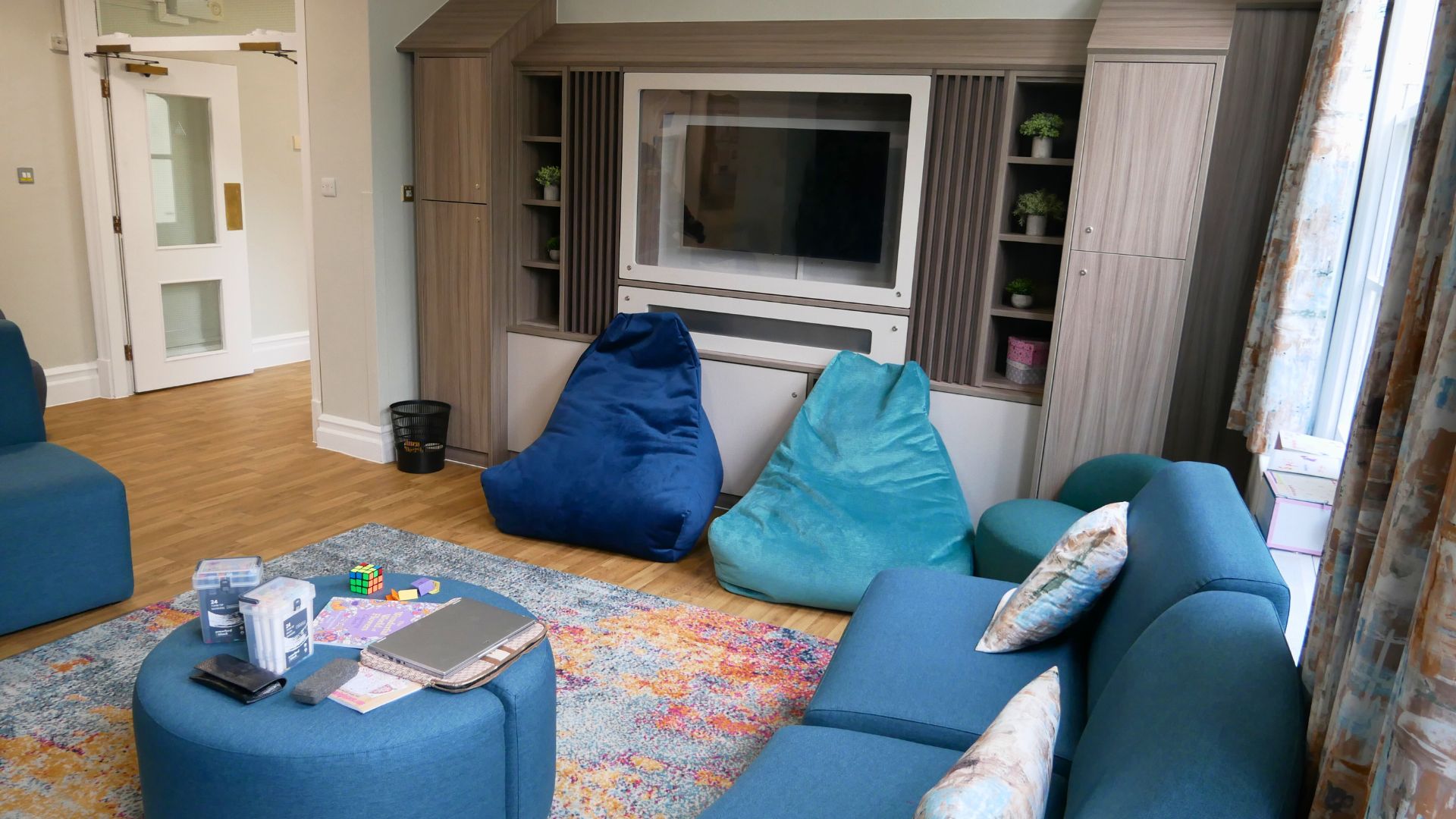
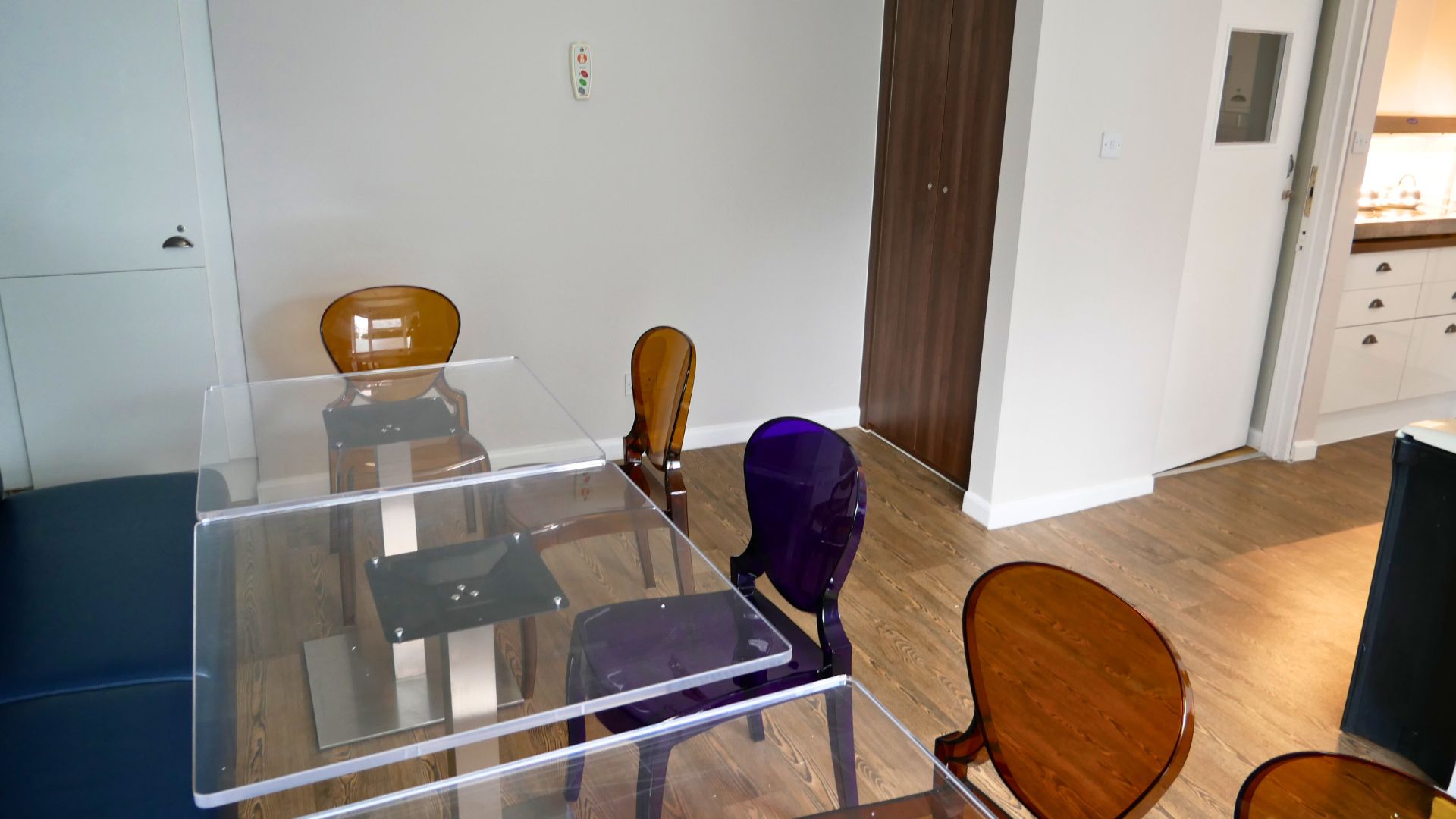
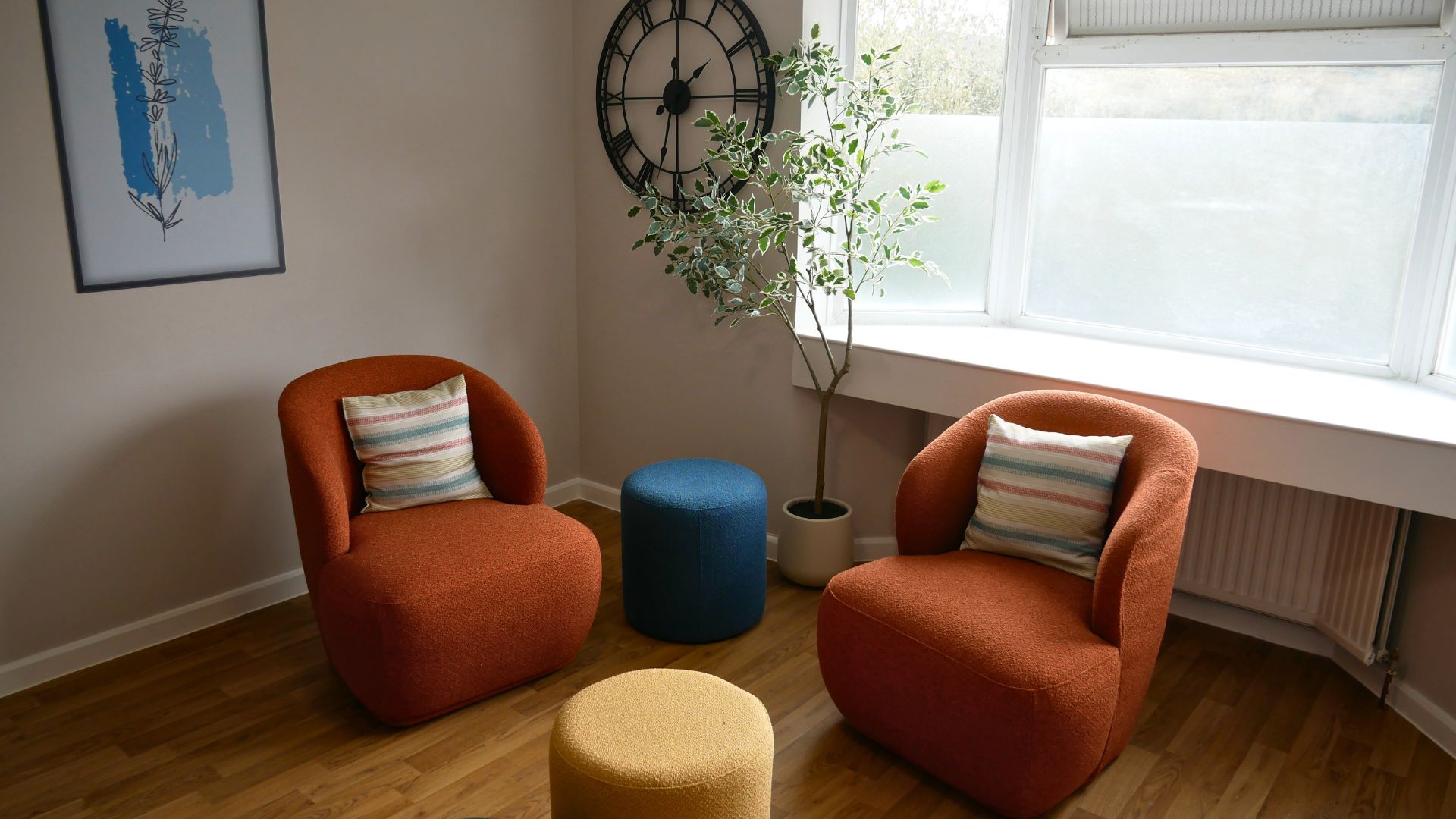
Alongside our inpatient CAMHS services, we also offer both day care and day hospital programmes for young people who need additional mental health support while continuing to live at home.
Both pathways help young people manage their mental health difficulties within a safe and therapeutic environment, while maintaining connections with family, education and daily life.
Both services are delivered by a multidisciplinary team, with co-ordinated input from psychiatry, nursing and therapy staff. Treatment focuses on stabilisation, increasing emotional wellbeing and reducing mental distress, while helping young people build practical skills they can use in everyday life. Clear care planning supports smooth transitions into step-down services and ongoing community-based care.
We use recognised outcome measures, including the Health of the Nation Outcome Scales for Children and Adolescents (HoNOSCA), to track progress and support continual improvement in wellbeing.
Our five-week EBSA support programme combines occupational therapy and educational support to help young people overcome barriers to school attendance and re-engage with learning. Through graded exposure, young people can gradually return to education within our safe and supportive school environment, while maintaining links with their school where appropriate.
Following an initial assessment, each young person receives a personalised support plan, practical strategies for managing anxiety, and guidance from a dedicated teacher and occupational therapist. Families are involved throughout to help create positive, sustainable outcomes.

Supporting young people experiencing:
The programme is delivered face-to-face in the sensory-friendly onsite school at Priory Hospital Roehampton. Led jointly by an occupational therapist and education lead, it includes 10 sessions over five weeks, with two 2.5-hour sessions each week during normal school hours.
Contact us today for more information or to book your place.
At Roehampton, our clinical experts have extensive experience in delivering a range of therapy types, which are offered on an individual basis or as part of a group therapy programme. Individual therapy can be face-to-face or can take place remotely via an online digital platform.
Our approach brings together multidisciplinary team expertise, fostering comprehensive and collaborative care. By embracing a holistic bio-psycho-social model, we address the full spectrum of each patient’s needs. Treatment is carefully designed to be goal-oriented and personalised, with patient-centred care planning at its core. Guided by a thorough clinical formulation, each young person's treatment pathway ensures a structured and effective journey towards recovery.
Our young people's mental health inpatient service at Priory Hospital Roehampton combines expert care with a compassionate environment, establishing it as a leading provider of mental health services for young people.
You can access high-quality treatment at Roehampton by:
Our admissions team at Roehampton respond to all enquiries as promptly as possible, to ensure that people can access the best possible support, when they need it.
For further information on how our young people's mental health inpatient service at Priory Hospital Roehampton can help young people to overcome their mental health concerns, call us today and our dedicated team will be able to advise on the next steps to receiving treatment.
As a trusted psychiatric hospital for teenagers, we're here to support young people through every stage of their recovery.
Our young people's services step-down programme is here to help young people move smoothly from inpatient care back into everyday life. It’s a short, structured course that bridges the gap between hospital and community support, giving young people and their families the tools they need for a confident transition.
Over 6 weeks, we focus on building practical skills, emotional resilience and self-awareness through a mix of individual therapy, group sessions and family support.
The first week helps young people begin to recognise what triggers certain reactions and how their thoughts link to their behaviour. They’ll explore positive and negative behaviour patterns, try simple mindfulness techniques and set small, personal goals to track their progress.
This week introduces anxiety in an age-appropriate way, helping young people understand what it feels like, what can set it off and how to gently face it instead of avoiding it. They’ll learn grounding and calming strategies that can increase their confidence in everyday situations.
Week 3 focuses on spotting signs of low mood and understanding how thoughts and feelings connect. Young people are supported to try self-care activities, practise emotional regulation and strengthen their social connections.
This week looks at common school stresses, such as friendships, homework and social skills. The sessions encourage confidence-building, organisation and knowing where to go for help and support.
Change is a normal but often difficult part of growing up. In week 5, young people reflect on past changes, build problem-solving skills and develop tools to cope with future transitions more confidently.
The final week focuses on understanding what healthy and unhealthy relationships look like, setting boundaries and managing disagreements. It also covers trust, safety and sensible use of social media.
By the end of the 6-week programme, young people will have built a personalised toolkit of practical coping strategies they can use at home, at school and in social situations. They’ll have a clearer understanding of their own thoughts, feelings and behaviour patterns, and greater confidence in managing them day-to-day.
Parents and carers are supported throughout too, with guidance and family sessions to help reinforce the skills the young person is learning, strengthen communication at home and feel more confident about supporting them through their recovery and reintegration.
As well as the therapeutic element of treatment, our young people are also provided with on-site school facilities during term time, delivered by specialist and understanding teachers, to ensure ongoing access to education and build their confidence within small supported groups.
In summary:
The award recognises Priory Roehampton's school’s outstanding work in delivering personalised education to young people aged 11 to 18 who are receiving inpatient mental health care.
At Priory London young people’s mental health inpatient service, our team of highly qualified psychiatrists and therapists are dedicated to providing exceptional care and personalised treatment plans for a range of conditions, including depression and anxiety, ensuring the best possible outcomes for our patients.




Click here to enable this content
We are a registered and approved provider for all of the UK's leading private medical insurers. Many of the services we offer at Priory can be funded through private medical insurance. This includes:
All clients will have access to our highly skilled and accredited clinicians, many of whom are published experts in their fields of treatment. Whatever your requirements, we are committed to working with you to get your life back on track.