Elm Park
Specialist physical, cognitive and behavioural neurological rehabilitation
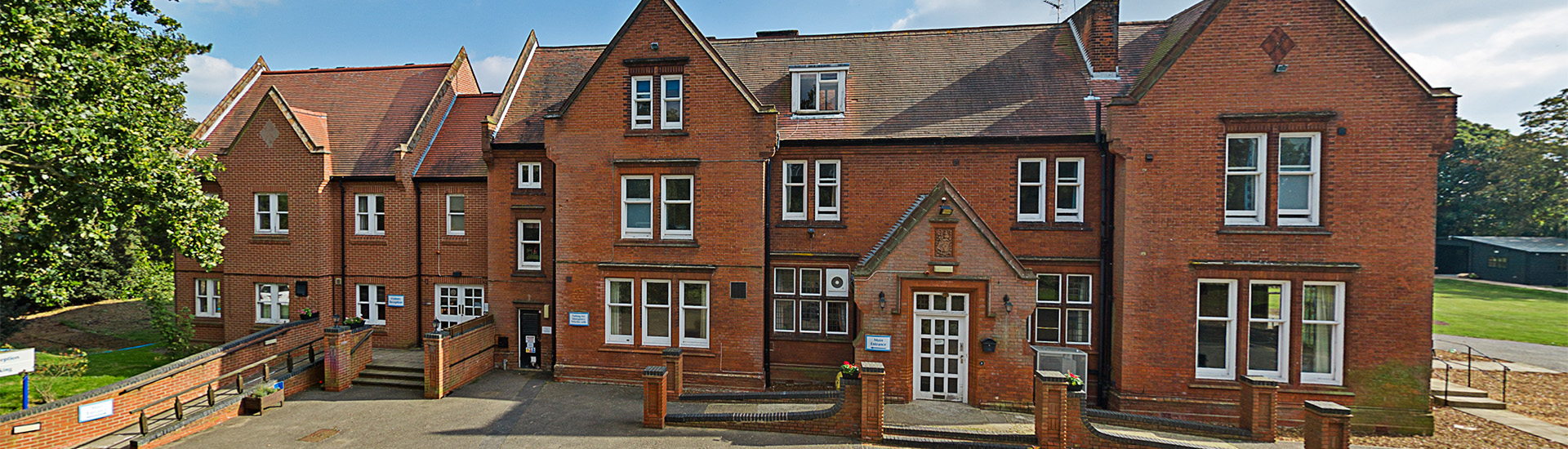
Elm Park provides specialist multidisciplinary rehabilitation and neurological care for adults with acquired brain injury and complex neurological needs. Our approach addresses the physical, cognitive, communication, emotional and behavioural consequences of neurological injury or illness, with rehabilitation tailored to each person’s individual needs, abilities and goals.
We support people to maximise independence, participate in everyday life and, where appropriate, progress towards greater independence and community living.
Click here to enable this content
Elm Park provides immediate post-acute support, active and slow-stream neurological rehabilitation, alongside longer-term neurological care. Pathways are individualised according to each person's clinical needs, rehabilitation potential and goals.
Elm Park supports adults with acquired brain injury and complex neurological needs, including:
Elm Park provides individualised, person-centred multidisciplinary neurological rehabilitation addressing the physical, cognitive, communication, emotional and behavioural consequences of neurological impairment.
Rehabilitation is based around individual needs and goals, supporting people to maximise independence and participate meaningfully in everyday life.
Physical function and independence
Cognition and communication
Emotional and behavioural rehabilitation
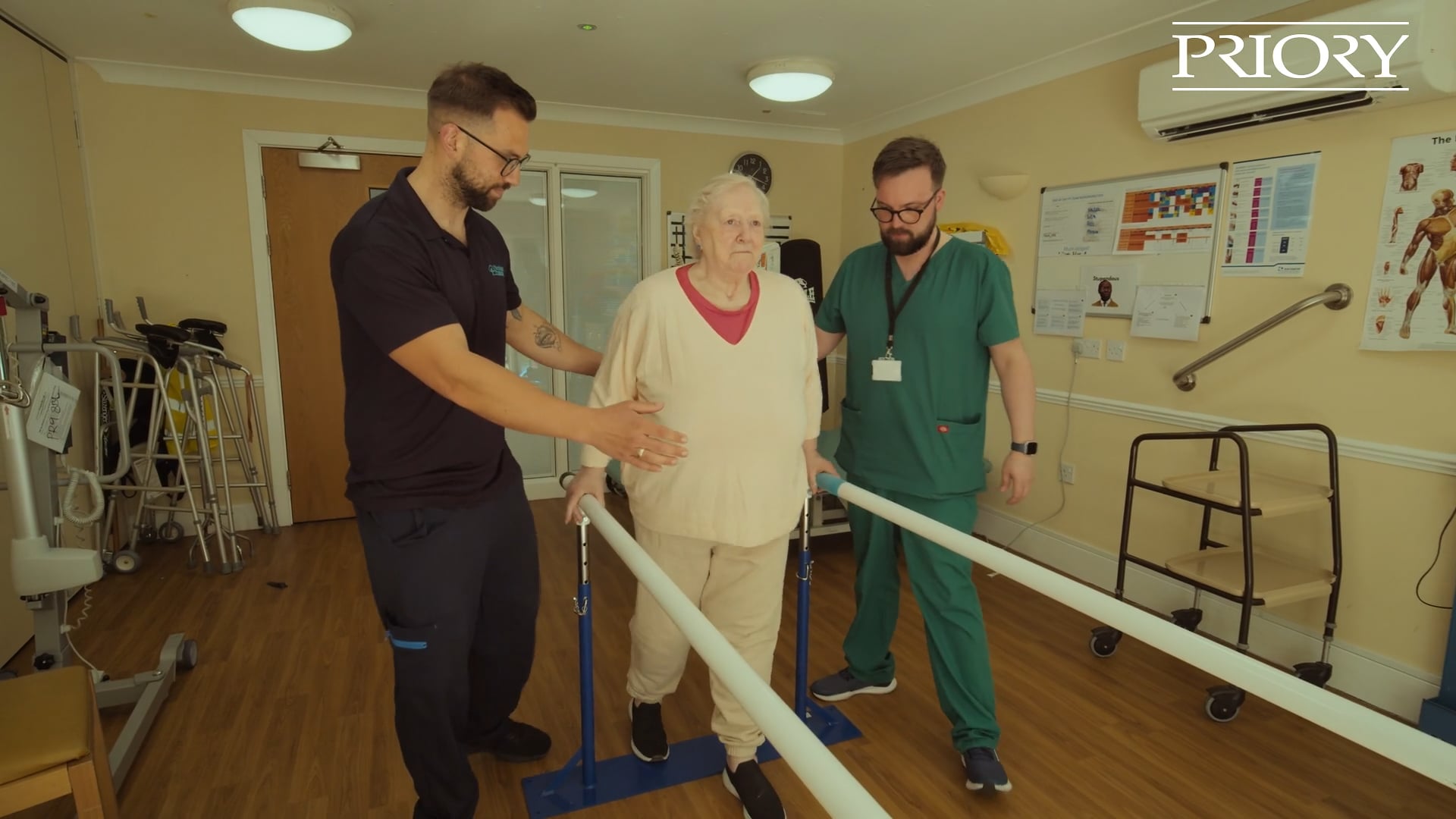
Our intensive rehabilitation programme provides individualised, multidisciplinary rehabilitation based on each person's clinical needs, rehabilitation potential and goals.
Rehabilitation can address physical function, cognition, communication, emotional wellbeing and behaviour, using individual and group-based interventions alongside functional and community-based rehabilitation.
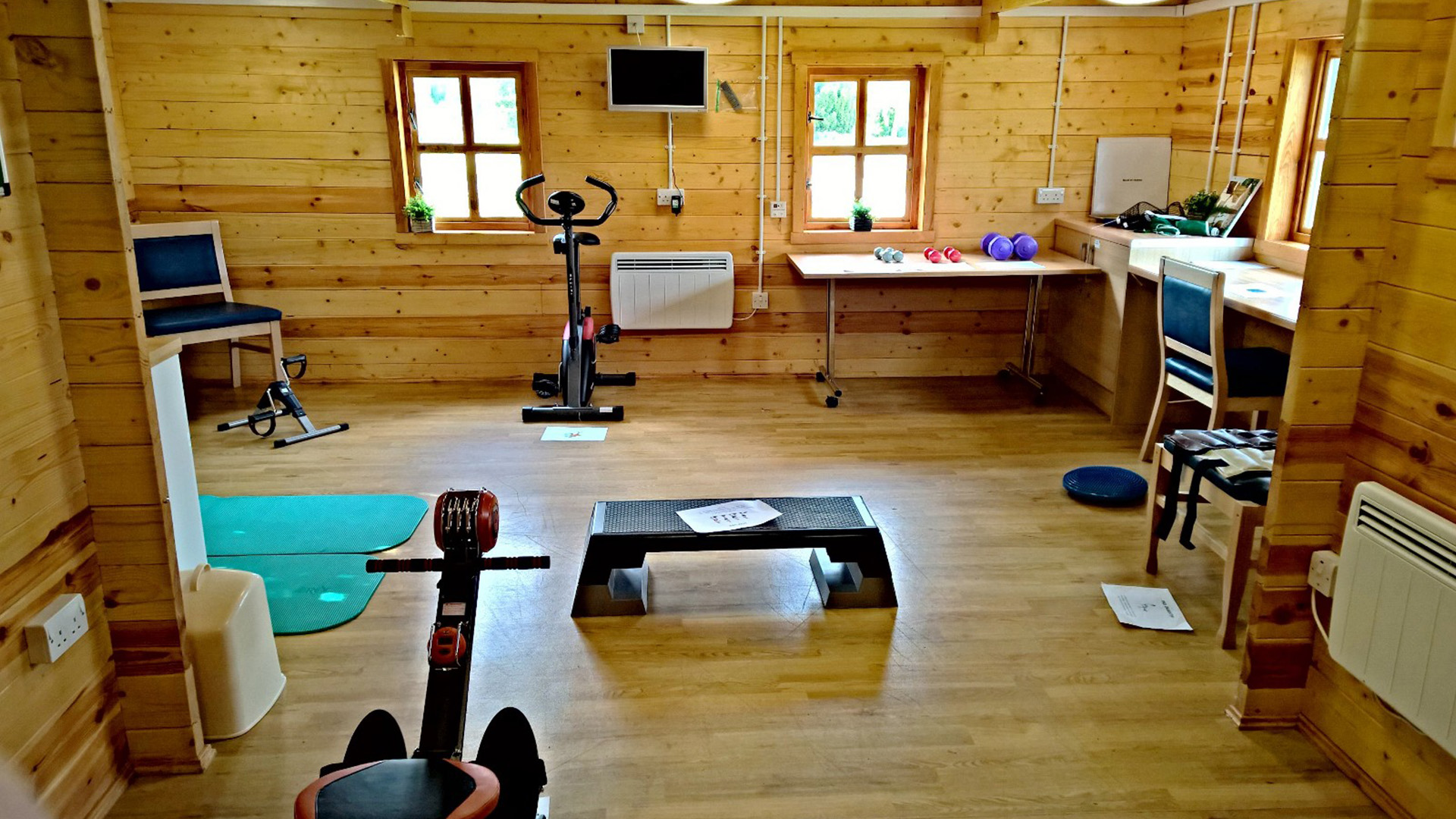
Physical rehabilitation: mobility, balance, strength, transfers and functional independence.
Cognitive rehabilitation: memory, attention, executive functioning, processing, insight and compensatory strategies.
Communication: functional communication and communication strategies.
Emotional/behavioural: PBS, emotional regulation, risk management and rehabilitation engagement.
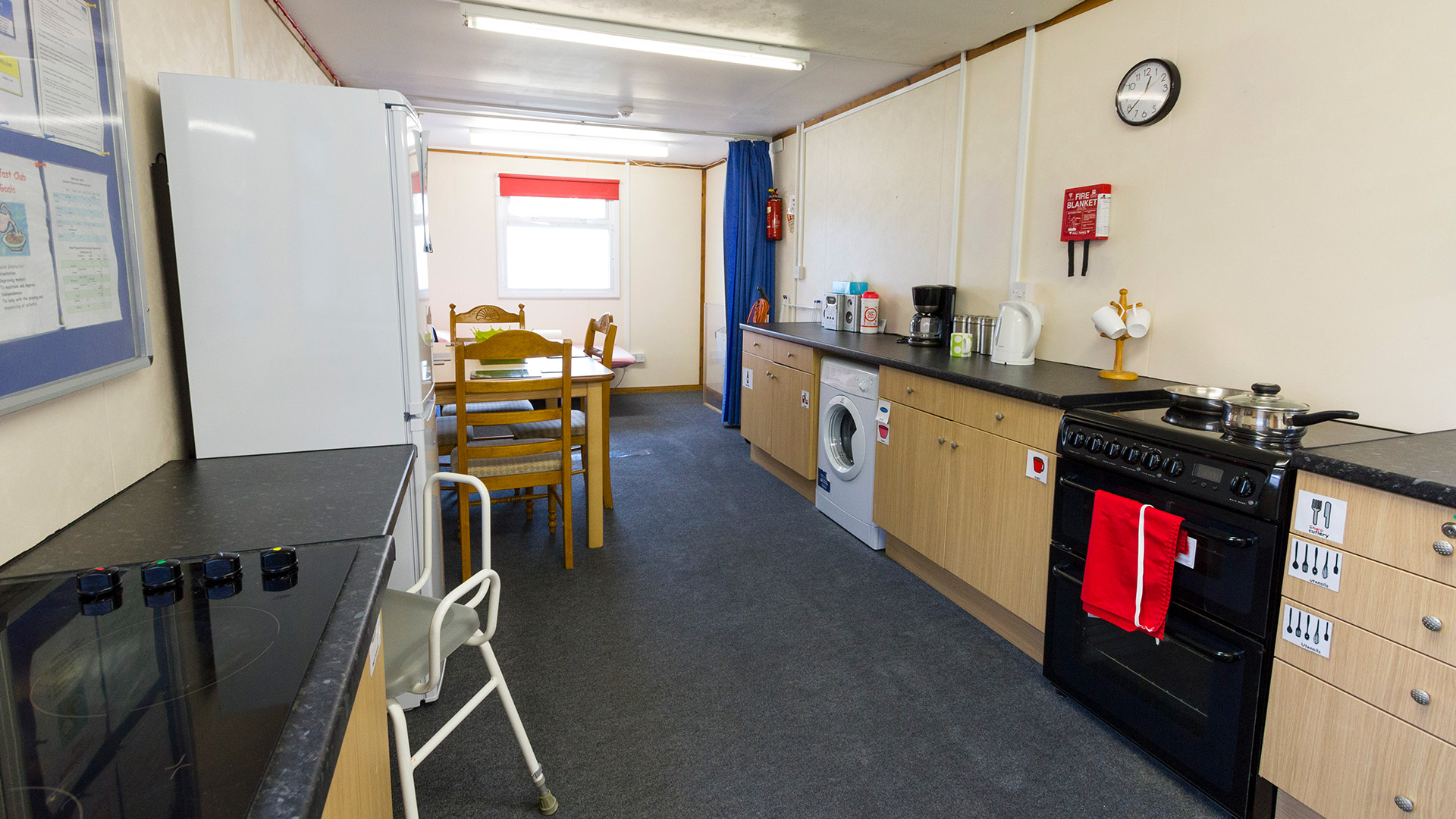
Functional rehabilitation: cooking, ADLs, shopping and everyday independence.
Community rehabilitation: community access, travel/public transport, social participation and meaningful/vocational activity.
Placement length is determined by individual rehabilitation needs, goals and progress.
Elm Park can consider individuals with additional physical healthcare needs alongside their neurological rehabilitation requirements, including PEG and NG feeding, subject to individual clinical assessment and the service being able to safely meet the person's needs.
Our multidisciplinary approach addresses physical, cognitive, communication, emotional and behavioural rehabilitation needs, with a focus on maximising independence, community participation and progression wherever possible.
The team works collaboratively to address physical function, cognition, communication, emotional wellbeing, behaviour and participation in everyday life. Progress is regularly reviewed and rehabilitation goals adapted as needs change.
Our team includes:
Each individual receives a bespoke treatment approach tailored to their needs, with therapy input provided by the appropriate specialists where required.
Rehabilitation at Elm Park extends beyond formal therapy sessions into everyday environments.
Individuals are supported to practise and develop skills across the service, its grounds and the local community, helping translate rehabilitation gains into meaningful everyday activity.
Depending on individual goals and abilities, this may include community access, shopping, use of local services, public transport, journey planning, cooking, gardening, social participation and meaningful or vocational activity.
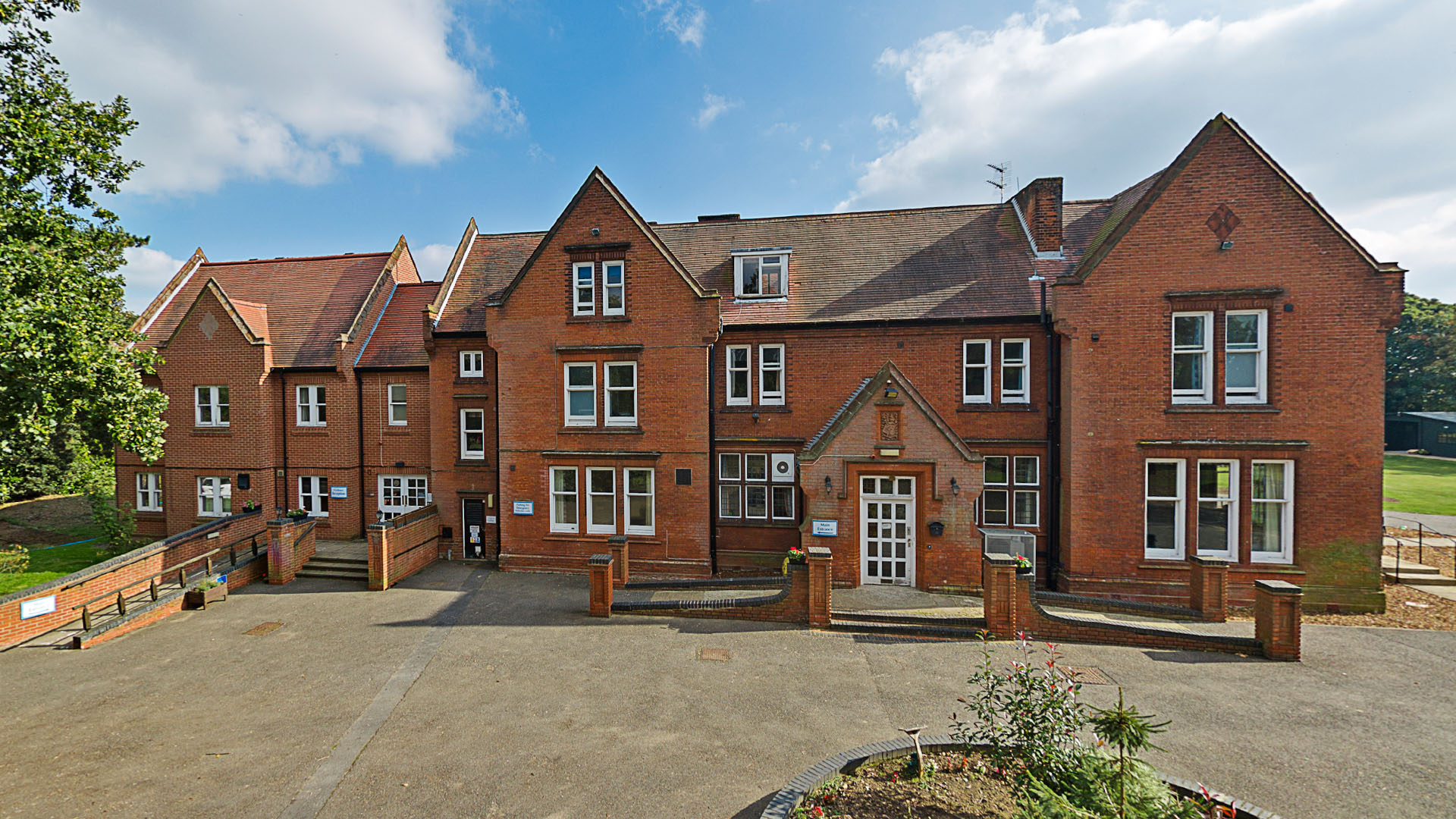
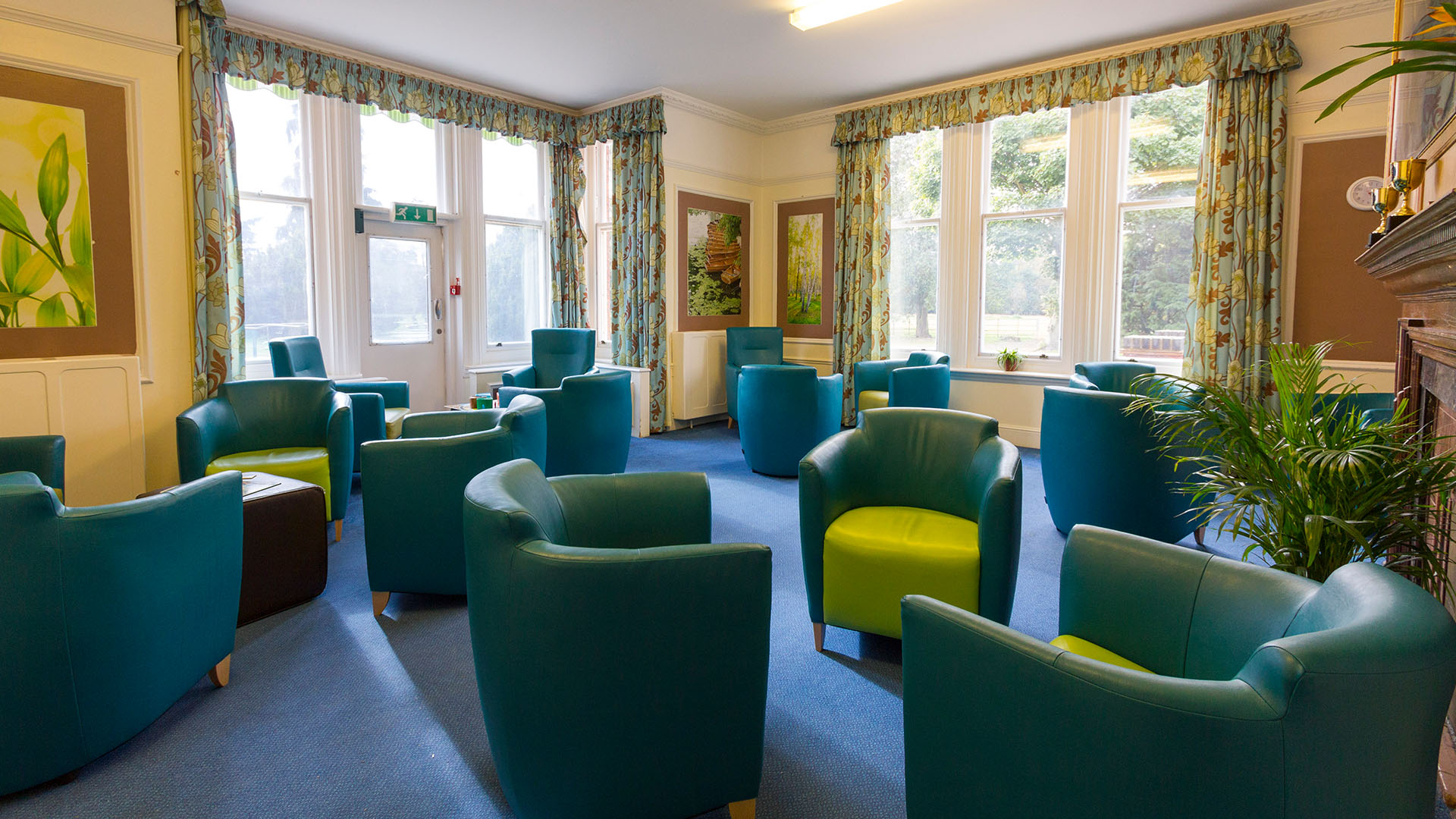
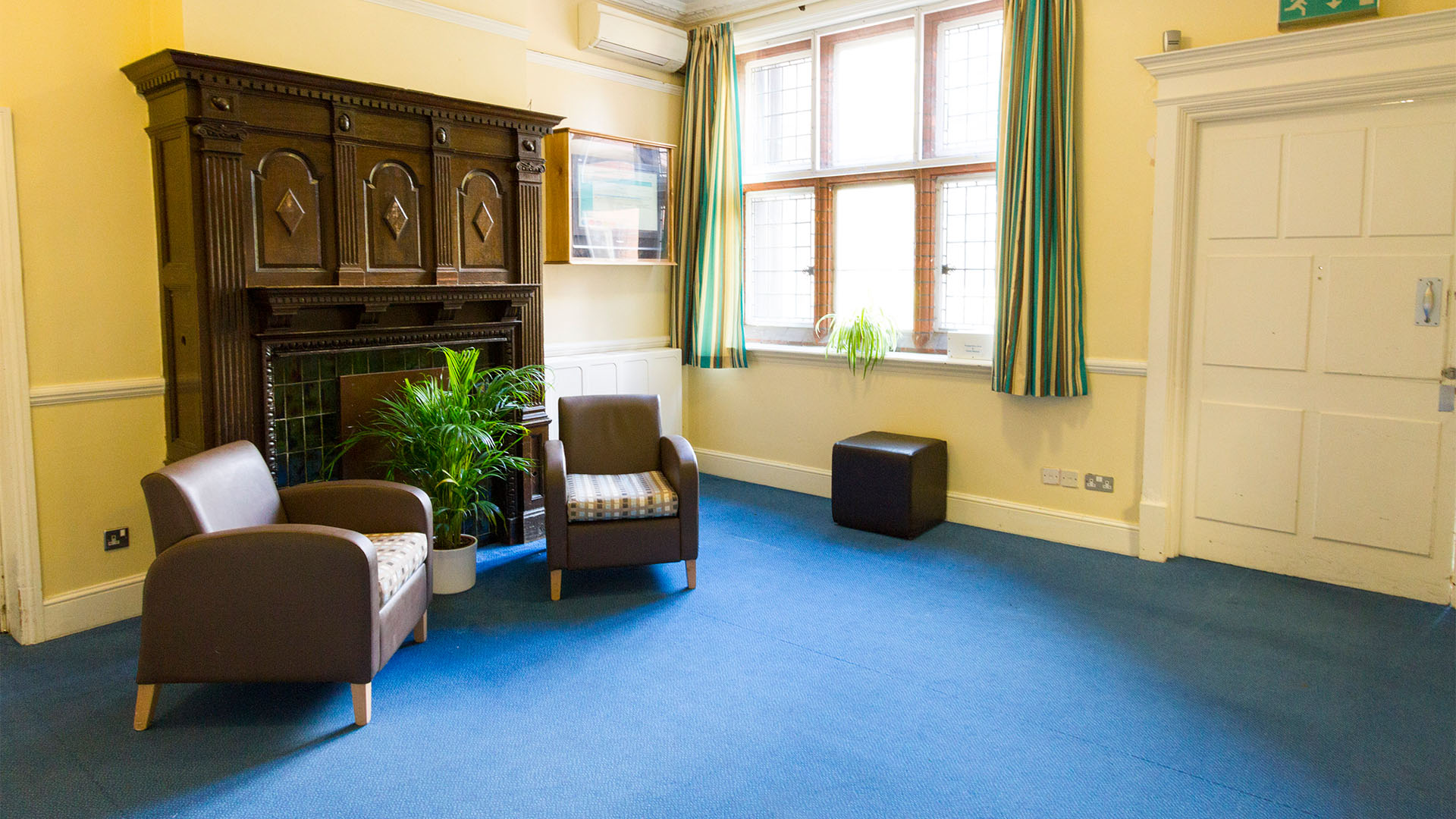
We believe that the environment in which treatment takes place is just as important as the treatment itself, when it comes to supporting our residents. We provide:
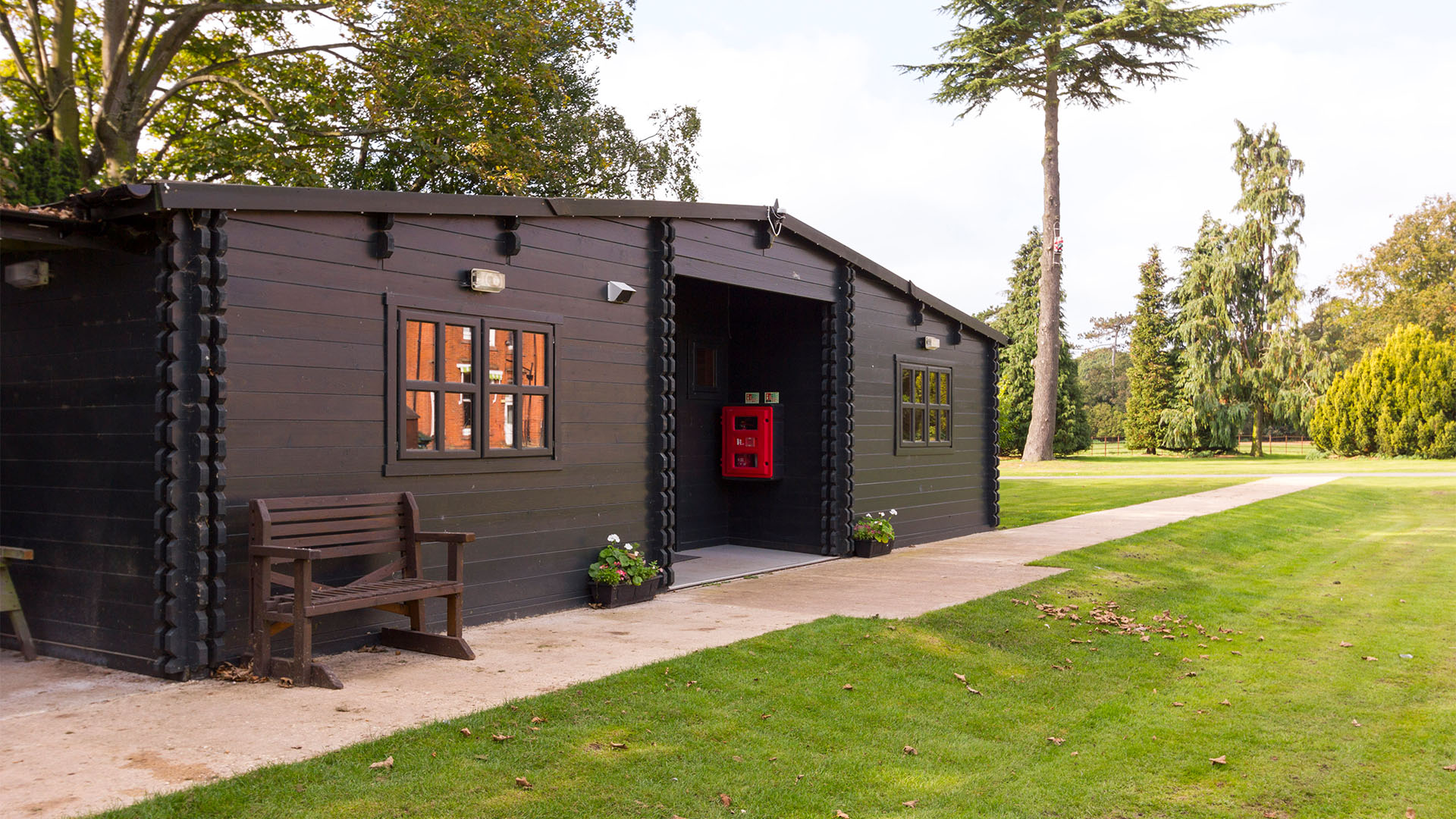
Our garden offers high fences in line with guidelines, a lawn, patio area with furniture, a shelter, football pitch and planting areas. We also have specialised equipment, such as hoists, bean bags and adjustable kitchen counter tops, for people to use.
All of our bedrooms are single-occupancy and 10 have an en-suite bathroom. Service users are encouraged to personalise their bedrooms while they are staying with us. We provide:
Individuals with acquired brain injury or neurological needs alongside co-existing stable mental-health needs may be considered following individual assessment.
Assessment and goal setting
↓
Individualised multidisciplinary rehabilitation
↓
Physical • Cognitive • Communication • Emotional • Behavioural • Functional rehabilitation
↓
Community integration and everyday independence
↓
Ongoing review and future planning
↓
Home • Supported living • Step-down • Longer-term neurological care
The Priory Elm Park team are dedicated to providing the best level of rehabilitation for each person admitted into our services. We pride ourselves on our successful outcomes, based on individually agreed plans for our residents, with input from families and loved ones.
Priory Elm Park site leader
These are arranged on a person-by-person basis but we actively plan home visits with people staying with us, and their loved ones, where possible.
We are flexible with visiting times, however, we do ask that visitors call us prior to a visit, so this doesn’t clash with activities.
Yes, we make every effort to keep the loved ones of people staying with us involved in their care and care plans.
People staying with us can use their own mobile phone, or we have a telephone in the hospital that people can use.
We provide all furnishings, bedding and food on-site.
All of our bedrooms are furnished, and residents are supported to personalise them to suit their needs and wishes. They are all single person, en-suite rooms.
Yes; each service user is risk assessed and made aware of the door policy.
We have set mealtimes, but snacks are also available. There is always a choice, dependent on people’s preferences for meat free, vegan or religious beliefs.
Staff can support with laundry and people staying with us are encouraged to do their own.
We have a restricted and prohibited items list, which is reviewed and updated regularly. This can be seen on request.
Our residents are allowed to have their pets come to visit them, as long as the team is aware in advance.
Activities are set weekly as part of a plan developed with the MDT, people staying with us and their family, based on their rehabilitation needs.
All of the people staying with us and their families/friends have input into care, from admission to discharge, where requested.
There is free car parking on-site.
Priory Elm Park is a non-smoking site. There is a vaping area at the back of building.
We welcome referrals for adults requiring specialist neurological rehabilitation at different stages of recovery, including individuals ready to transfer directly from an acute hospital setting, those requiring ongoing or longer-term rehabilitation, and individuals working towards greater independence and community discharge.
Referrals can be made through the individual’s social care team or, if relevant, their local health authority. Use the buttons below, or email your service development manager.