Priory Highbank Centre
Complex neurorehabilitation, PDOC and high-acuity care
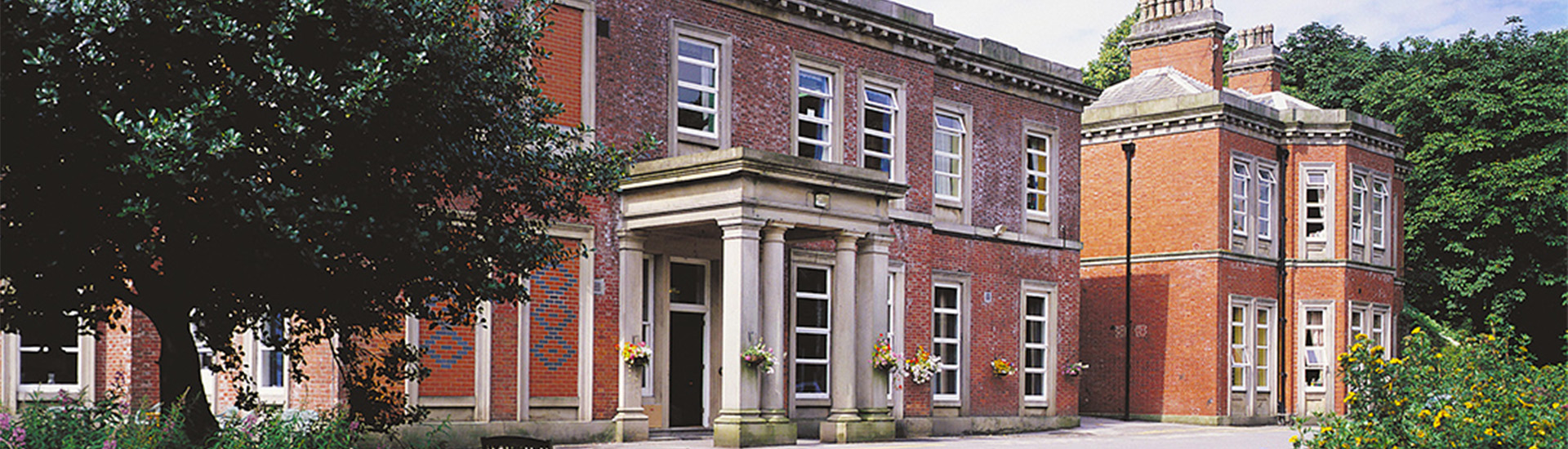
Priory Highbank Centre is a specialist neurological rehabilitation and high-acuity neurological care service located in Bury, Greater Manchester.
We work collaboratively with individuals, families, NHS commissioners and healthcare professionals to maximise rehabilitation potential, improve quality of life and support appropriate onward care planning.
Click here to enable this content
Priory Highbank Centre provides a specialist, accessible environment designed to support complex neurological rehabilitation, high-acuity nursing care and individual wellbeing.
Our sensory room and specialist equipment support personalised therapeutic interventions, including activities adapted to individuals with significant neurological and physical disabilities.
Our facilities include:
Our accessible outdoor environment includes lawns, patios, communal seating, a sensory garden and summer house.
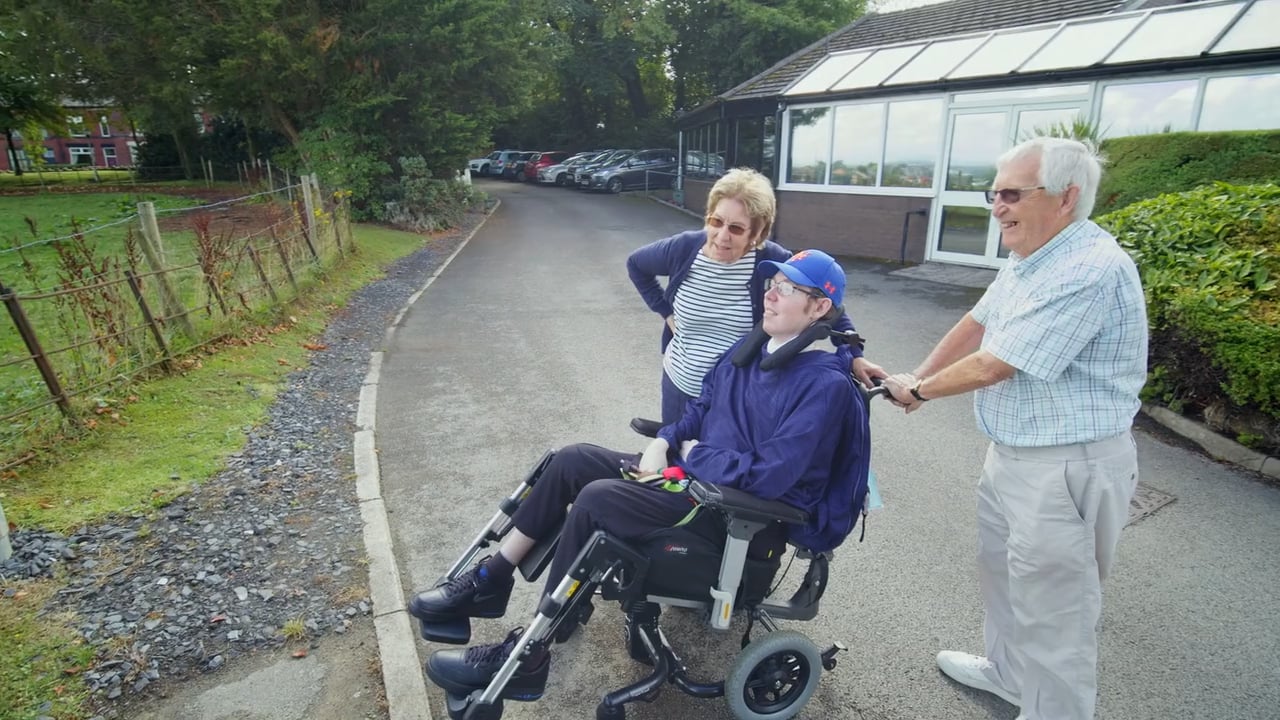
Highbank also has mobility-adapted vehicles supporting community access, family visits and meaningful activities, according to individual needs and risk assessments.
Our environment enables rehabilitation and care strategies to be incorporated into everyday routines, supporting physical function, comfort, participation and quality of life.
All of our bedrooms are comfortable, welcoming and can be personalised to individual tastes.
Our approach includes:
Complex neurorehabilitation: Individualised rehabilitation programmes addressing physical, cognitive, communication and functional needs.
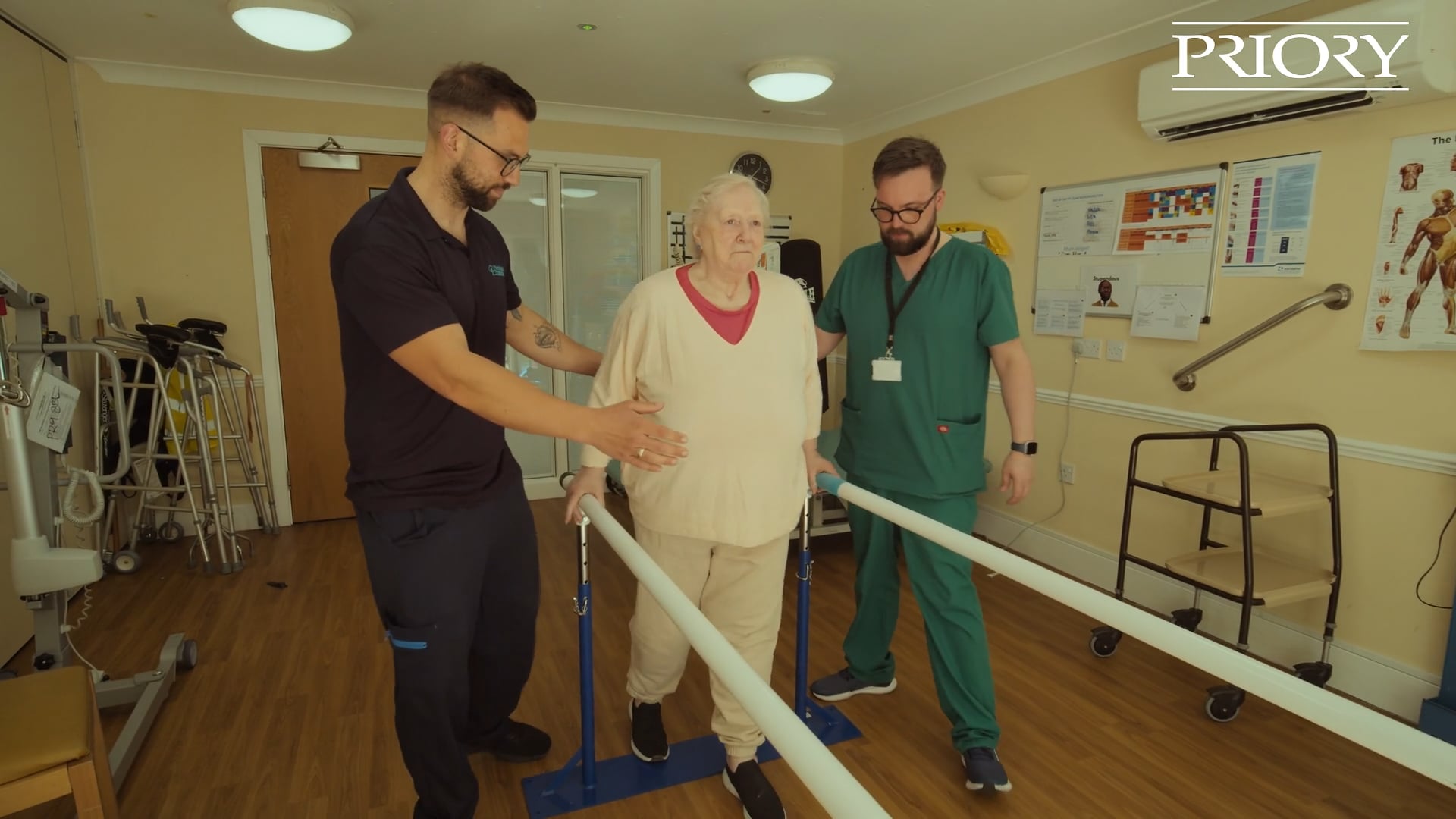
Physical rehabilitation: Physiotherapy supporting mobility, strength, balance, positioning, transfers and physical function.
Functional rehabilitation: Occupational therapy supporting everyday living skills, meaningful activities and greater independence where achievable.
Communication and cognition: Speech and language therapy, neuropsychology and individualised strategies.
PDOC assessment and care: Specialist multidisciplinary assessment and individualised care for people with prolonged disorders of consciousness.
High-acuity neurological care: Specialist nursing and physical support.
Psychological and emotional wellbeing: Support addressing the emotional and psychological impact of neurological injury.
Family involvement: Working collaboratively with families and carers.
Onward planning: Supporting individuals towards further rehabilitation, appropriate step-down provision, community living or ongoing specialist care.
Our team uses recognised outcome measures, including FIM-FAM where appropriate, to monitor rehabilitation progress and inform multidisciplinary reviews.
At Priory Highbank Centre, rehabilitation and meaningful activities form an important part of everyday life.
Each individual has a personalised programme reflecting their clinical needs, rehabilitation goals, interests, abilities and preferences.
Activities may include everyday living tasks, cooking, gardening, sensory activities, social opportunities, community outings and family visits.
For individuals with PDOC or higher-dependency needs, activities and sensory experiences are adapted to their clinical presentation, level of responsiveness, preferences and physical abilities.
Where appropriate, meaningful activities are incorporated into rehabilitation programmes, enabling individuals to practise skills beyond formal therapy sessions.
Our pathway
Referral from hospital, major trauma services, specialist neurological services or another appropriate care setting
↓
Individual clinical assessment and multidisciplinary goal-setting
↓
Identification of the appropriate rehabilitation or specialist care pathway
↓
Individualised neurorehabilitation, PDOC assessment and care, or high-acuity neurological support
↓
Regular multidisciplinary review, rehabilitation planning and outcome measurement
↓
Preparation for onward rehabilitation, specialist step-down care or appropriate long-term support
↓
Progression to the most suitable future care or living environment
Where clinically appropriate, individuals may progress to other services within Priory's neurological rehabilitation pathway, including step-down provision such as the Elton Unit.
Led by our consultant in neurorehabilitation medicine, our team brings together nursing, physiotherapy, occupational therapy, speech and language therapy, neuropsychology and other specialist disciplines to deliver coordinated rehabilitation and care programmes.
We are also supported by additional services, including chefs, drivers, maintenance, administration, and housekeeping teams, to ensure our service users have a smooth and safe experience during their stay at Highbank.
Our clinical and support teams receive specialist training tailored to the complex neurological, physical and respiratory needs of the individuals we support.
The therapy team undertakes PDoC assessments under consultant guidance
Clinical staff are trained in seizure and epilepsy management, emergency first aid, and BLS/ILS
All staff complete brain injury awareness training to support service users holistically
Specialist manual handling training promotes independence, maximises quality of life, and prevents long-term complications
Complex respiratory management, tracheostomy care, mechanical ventilation
We support individuals with neurological conditions including:
We also support individuals with complex neurological and nursing requirements, including:
Each referral is assessed individually to ensure Highbank can safely and appropriately meet the person's clinical, nursing and rehabilitation needs.
Our resident stories demonstrate the importance of individualised neurological rehabilitation, multidisciplinary support and appropriate onward care planning.
We called it “our little piece of heaven”
We support our residents to attend family events and visit their family homes. We will work with the resident and their relatives to ensure possible risks are managed and that everyone is supported. This may mean the individual’s key worker will come along on the visit. For those who are unable to visit their family home, we can support your loved ones with video calls.
Family and friends are welcome to visit. Visits are usually planned in advance to support individual needs. Unfortunately, family members cannot stay overnight.
Yes, we strive to keep the loved ones of our residents involved in their care. Families are regularly invited to meetings at the home, where they will meet with the residents’ support team and hear about recent happenings at the home. We can also arrange more regular catch-ups either in person or via telephone, to ensure families are kept informed.
Everyone who stays with us are supported to call their loved ones any time, via phone or video call. Family and friends are also able to call as often as they like. Our staff also support residents with using and setting up their own mobile phone and making video calls.
Bedrooms are all furnished and residents are supported to personalise them to suit their needs and wishes.
The external gate is kept locked due to the nature of the service. However every resident will be risk assessed which will detail the level of security needed. We have a large garden area where individuals can freely exit and enter the building.
Meals are prepared by our onsite kitchen daily. Residents can choose what they want to eat from the daily menu and choose when and where they would like to eat their meals. We provide meals in line with guidance from our dietician and our onsite speech and language therapist for those who require a special diet.
Our team will ensure that residents always have access to clean clothes and bedding. We have laundry facilities where all clothes can be laundered at site.
We have a housekeeper who completes daily cleaning tasks throughout the day. Residents are also supported with cleaning and daily living tasks as part of their individualised goals.
Residents are not allowed to bring illegal substances onto the premises. We would also ask that people do not bring high risk personal items into the house.
Our activity programmes are personalised and incorporate all aspects of daily life and social/leisure pursuits. Our activities are also balanced with rest and periods of reduced stimulation. Leisure time helps to maintain relationships and support networks for our residents.
Residents are supported with their needs by our multidisciplinary team.
Yes, we encourage families and extended support providers to be involved with the care plans. We use a variety of communication tools to work collaboratively with the person we care for to co-produce the plans so they are tailored to their needs. We value this important input from others, where appropriate.
We have free on-site parking facilities.
We have a designated area in the garden for residents to smoke or to vape, and they can be supported to purchase cigarettes at the shop, if this is what they choose. However, we do promote healthy lifestyles and can support residents with smoking cessation programmes.
Our fees can vary, and are based on an assessment of each individual's needs. Many people are eligible for financial help towards the cost of support, and this funding can be accessed by contacting your local authority. Once funding has been agreed, we will work with your local care team to put together a bespoke package of care. Please note, referrals for NHS or Local Authority funded services must come from a referring organisation.
Rehabilitation may include physiotherapy, occupational therapy, speech and language therapy, neuropsychology and specialist nursing support, depending on individual needs.
Programmes focus on physical function, communication, cognition, everyday living skills and meaningful rehabilitation goals.
Progress is reviewed regularly using recognised outcome measures, including FIM-FAM where appropriate, to support ongoing rehabilitation and future care planning.
Priory Highbank Centre provides specialist assessment and care for individuals with prolonged disorders of consciousness, subject to individual clinical assessment and the service's current admission criteria.
Our multidisciplinary team works under consultant guidance to develop personalised assessment and care programmes, focusing on individual clinical needs, responsiveness, physical management, comfort and quality of life.
We work closely with families and healthcare professionals throughout assessment, care planning and reviews.
We welcome referrals for adults requiring specialist neurological rehabilitation at different stages of recovery, including individuals ready to transfer directly from an acute hospital setting, those requiring ongoing or longer-term rehabilitation, and individuals working towards greater independence and community discharge.
Referrals may be made by NHS commissioners, integrated care boards, major trauma networks, hospital discharge teams, local authorities, case managers and other healthcare professionals.