
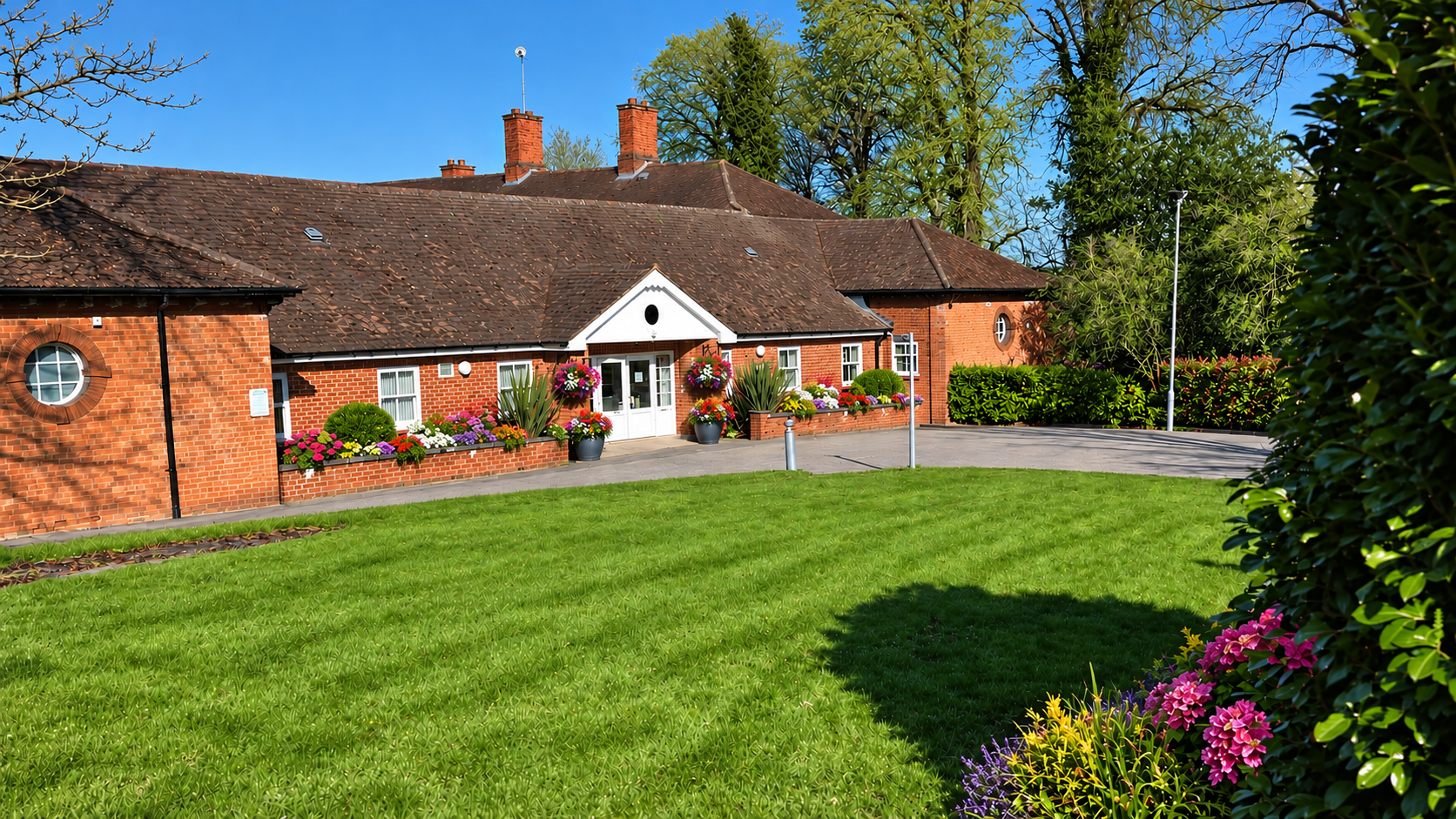
About this location
Priory Melton Place, in Melton Mowbray, is a residential service designed to bridge the gap and support individuals as they transition from hospital, towards independent living. We are unique in that we combine 24/7 on-site nursing care and access to psychiatry, in a therapeutic, structured, residential environment.
With a focus on recovery, our expert clinical support helps individuals to build confidence, stability and to live their life back in the community.
Services at a glance
Our facilities at Priory Melton Place include:
Map
Click here to enable this content
Services
This service supports adults with enduring mental health conditions who require nurse-led support within a safe, therapeutic, and homely environment. The model addresses system-wide challenges such as delayed discharges, revolving-door admissions, and gaps in local step-down provision.
Bed information
- 26-beds - nurse-led, specialist mental health residential service
Conditions treated
This service is designed for adults with enduring mental health conditions such as:
- Schizophrenia
- Schizoaffective disorder
- Bipolar disorder
- Complex trauma
Treatment approaches
The support provided at Melton Place is focused on stabilisation, recovery, and progression towards further independence. It bridges the gap between hospital rehabilitation and community living and offers an alternative to prolonged inpatient stays in an environment that supports recovery, personal growth, inclusion, confidence and skill acquisition.
The model reflects Priory’s commitment to providing high-quality, safe, effective, and compassionate care in a setting that balances clinical oversight with autonomy and dignity.
Our philosophy is based on Priory’s organisational values and is grounded in recovery-oriented, trauma-informed, and least restrictive practice. The following principles underpin care delivery:
- Recovery focus: Empowering individuals to take control of their lives and set meaningful goals
- Positive behavioural support (PBS): understanding behaviour within its context and preventing distress through proactive strategies
- Trauma-informed care: promoting psychological safety, trust, and empowerment
- Co-production: involving residents and carers in every stage of care planning and service development
- Equality and inclusion: valuing diversity and ensuring equitable care
- Safety and dignity: delivering care in a way that respects individual rights and promotes wellbeing
- Continuous learning: using reflection, feedback, and quality improvement to enhance care
Our team
We provide 24-hour registered mental health nurse (RMN) coverage and a full complement of support workers, as well as:
Registered manager
Visiting consultant psychiatrist
PBS practitioner
Nurse clinical lead
Office manager
Administrator
Housekeeper
Support workers
Catering staff
Maintenance staff
All staff complete mandatory and role-specific training including:
Safeguarding adults level 3
PBS training
MCA/DoLS
Physical health
Trauma-informed care
Therapeutic and community-based activities
The care model integrates a model of residential nursing support and care, with community support providing holistic and person-centred care.
Our nursing-led support includes psychological interventions such as:
- PBS plans
- Structured activities of daily living (ADL) activities
We provide weekly goal-setting, regular community multidisciplinary reviews, and quarterly commissioner reviews. Discharges will be planned collaboratively, ensuring community support, housing, and social reintegration.
Daily routines balance structure and flexibility, promoting engagement, self-care, and responsibility. Activities include group sessions, health promotion, vocational opportunities, and leisure programmes. Family and carers are encouraged to participate through regular contact, reviews, and feedback forums.
Collaboration with housing, employment, and voluntary-sector organisations ensures integrated pathways are available.
Our facilities and environment








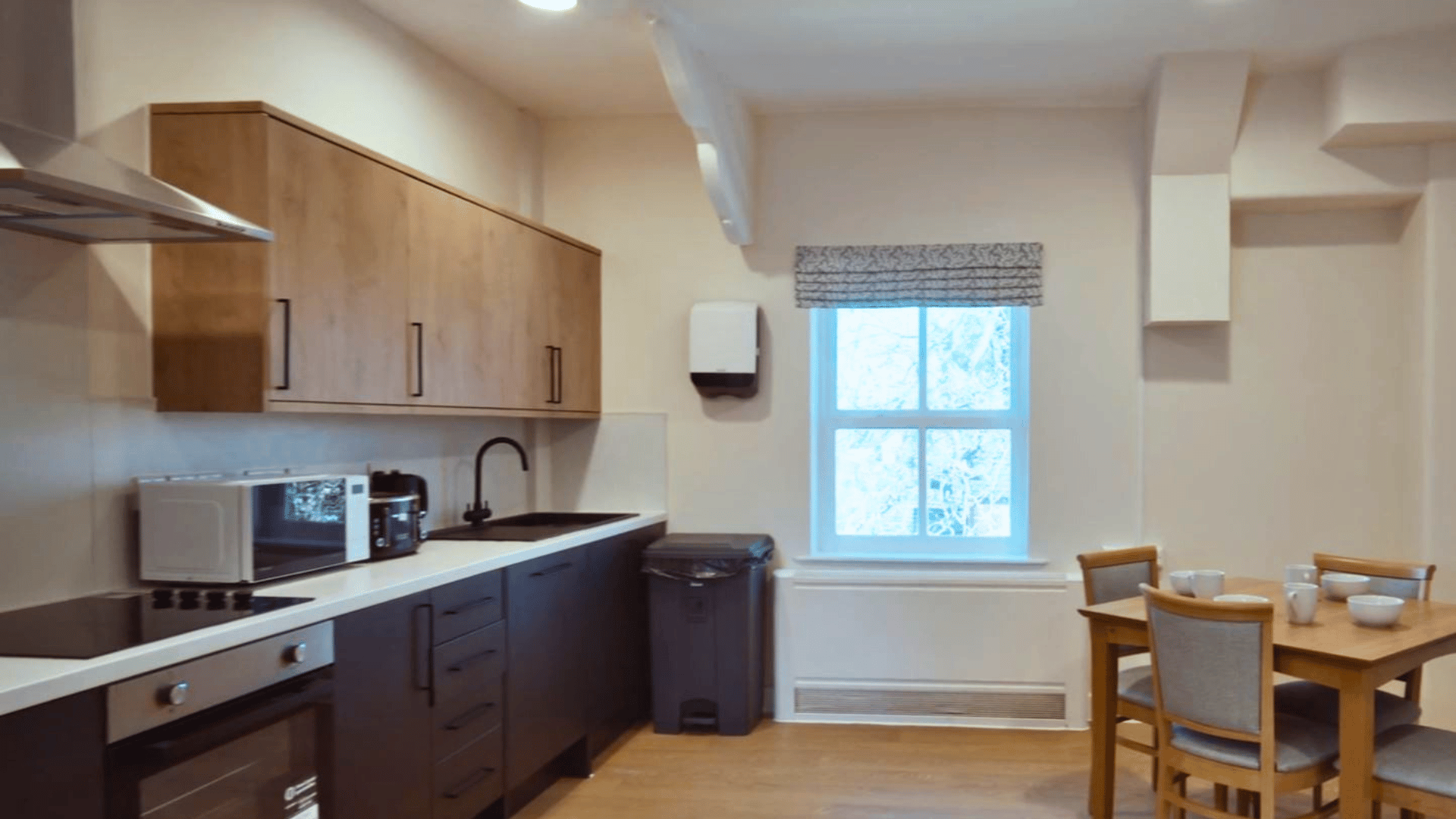
Dedicated catering facilities with a full-time chef offering nutritious and culturally sensitive meals
Environmentally optimised areas for sensory safety and accessibility
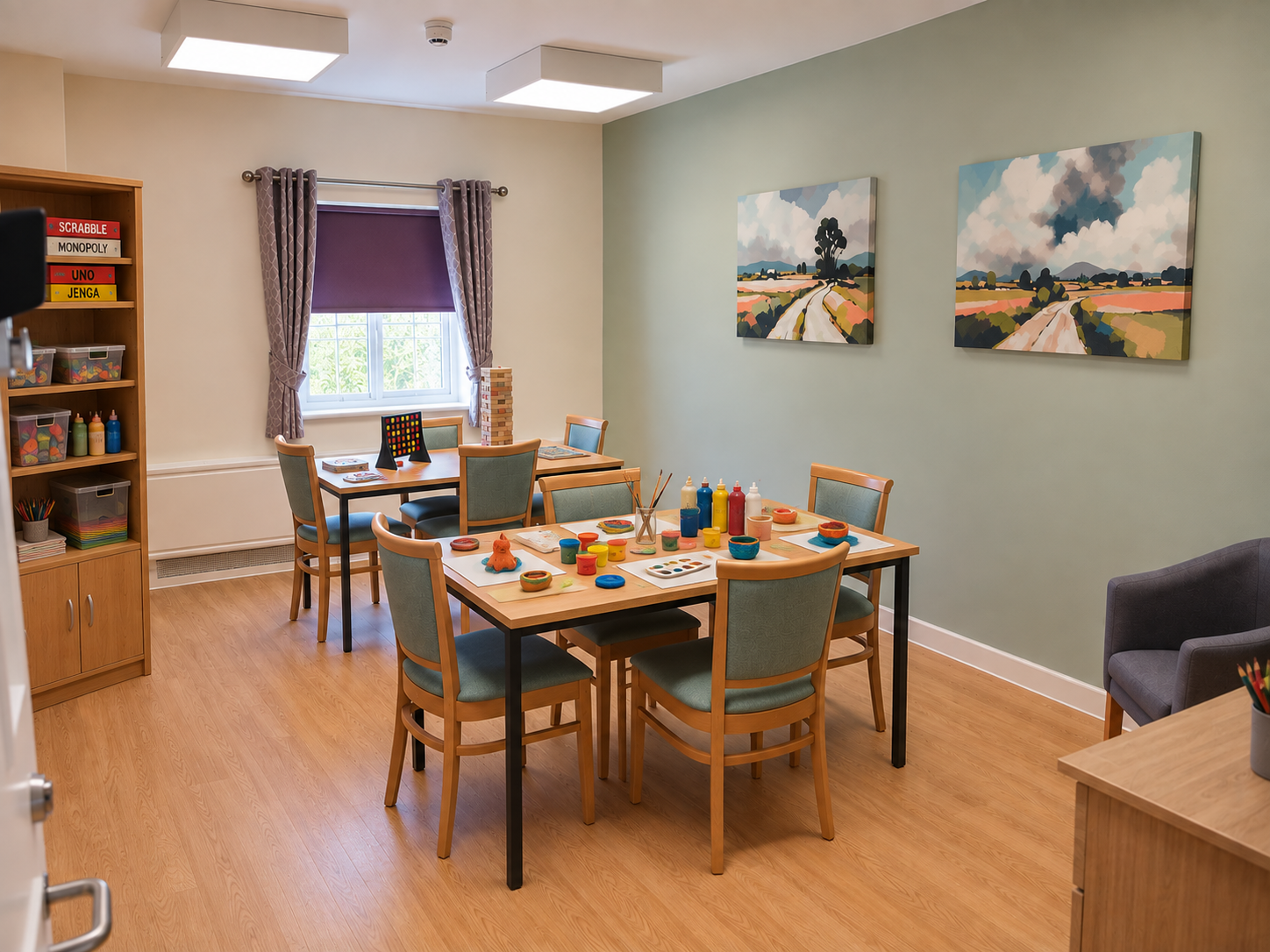
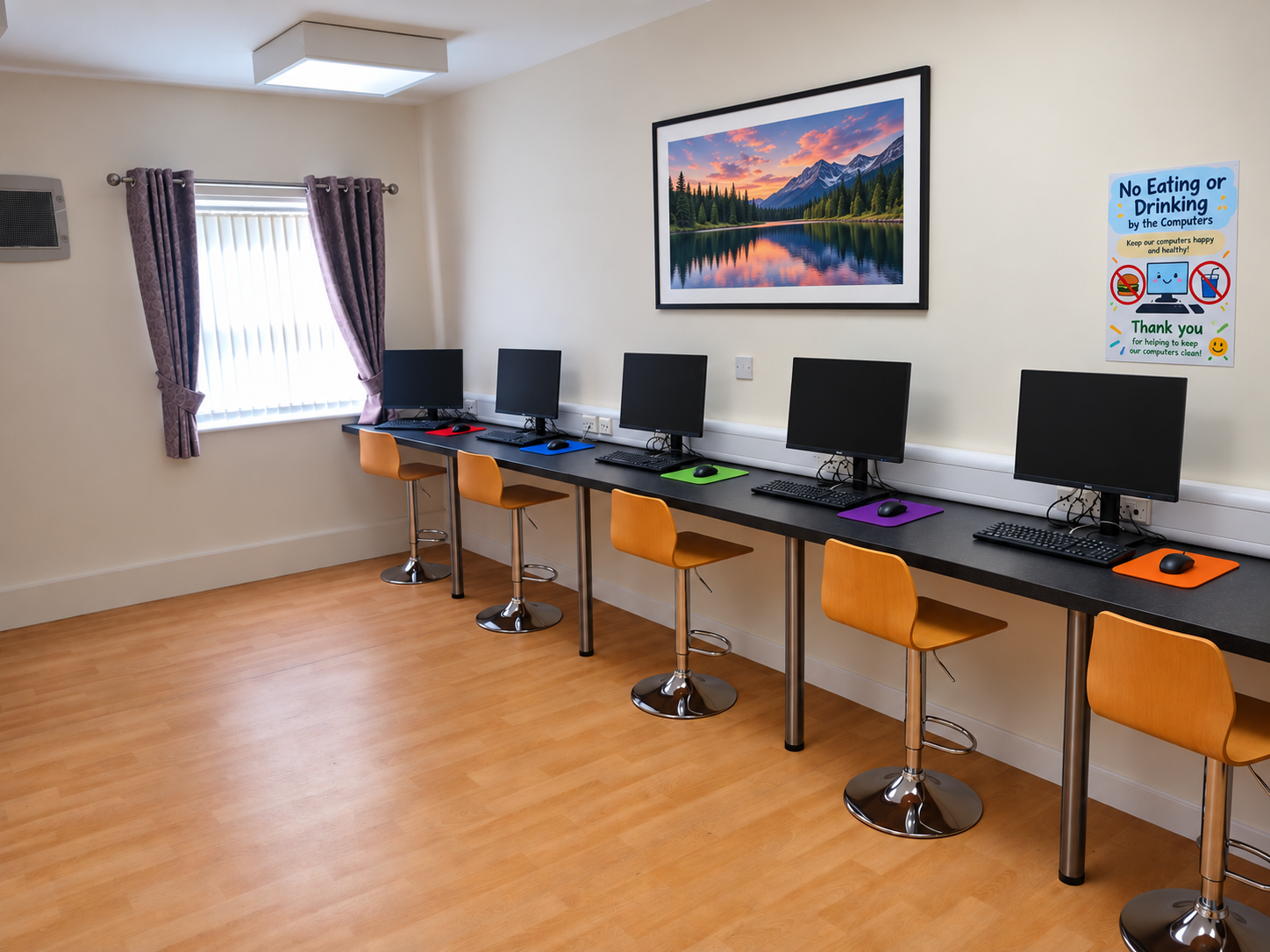
Wi-Fi access, art spaces, and garden therapy areas encourage recovery and social engagement
The soothing room is designed to provide a calming and therapeutic environment
Our bedrooms
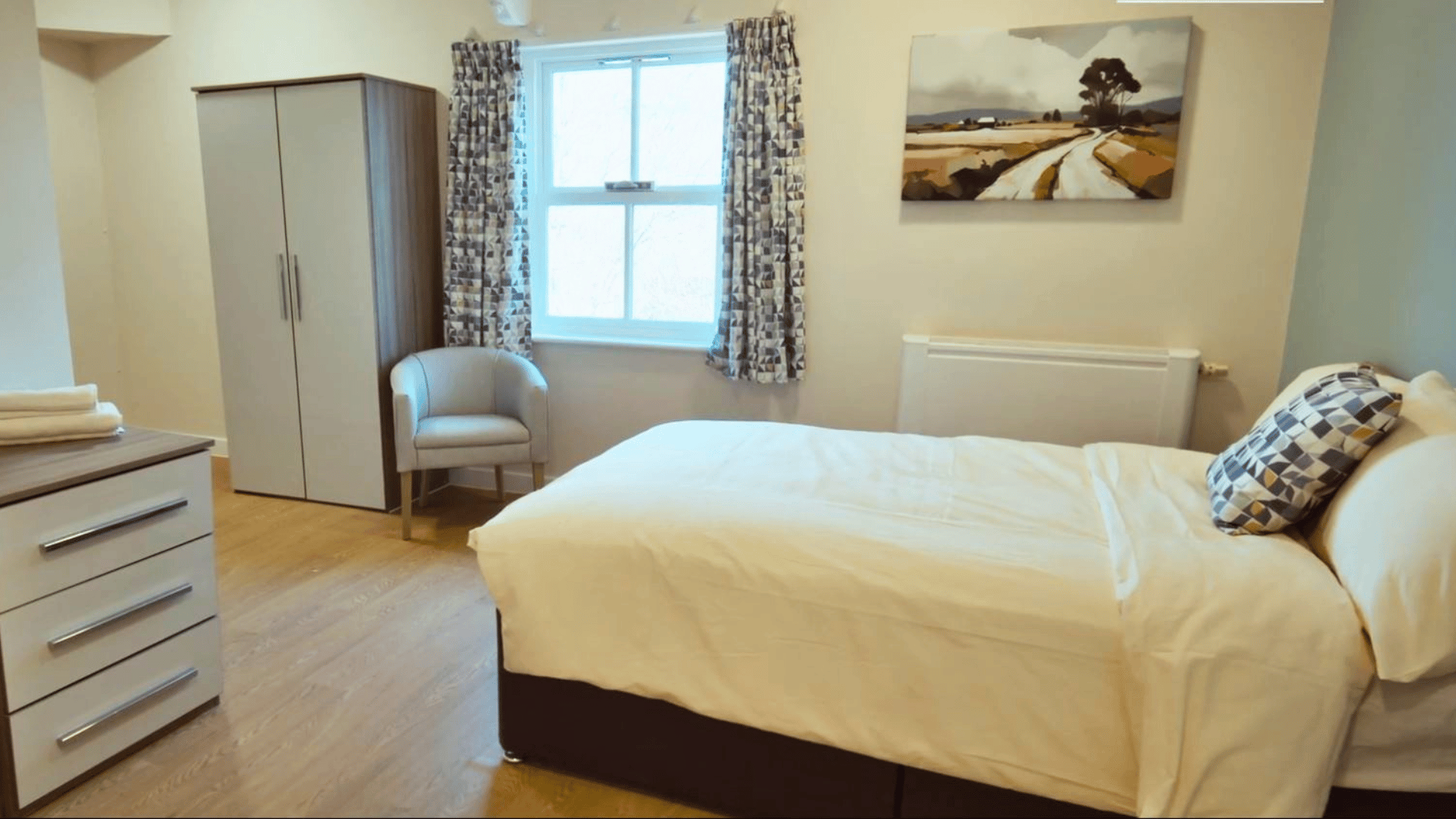
We provide en-suite bedrooms which are designed to promote comfort, privacy, and dignity.
Exclusion profile
- Current acute psychiatric crisis or high risk requiring hospital care
- Significant medical instability
- Learning disability as primary diagnosis
Pathways
Priory’s network of high quality facilities enables us to offer joined-up care pathways with our dedicated residential services. We offer programmes which integrate healthcare treatment and therapy, which are tailored according to individual needs, in an appropriate setting. Our strength is that we can provide a seamless transition for the individual as they progress between higher and lower dependency services.
Everyone who stays with us has a care plan which is developed with the objective of a return to the community as soon as feasible. This includes either returning home or to a supported living unit. This may be with Priory Adult Care or an alternative provider.
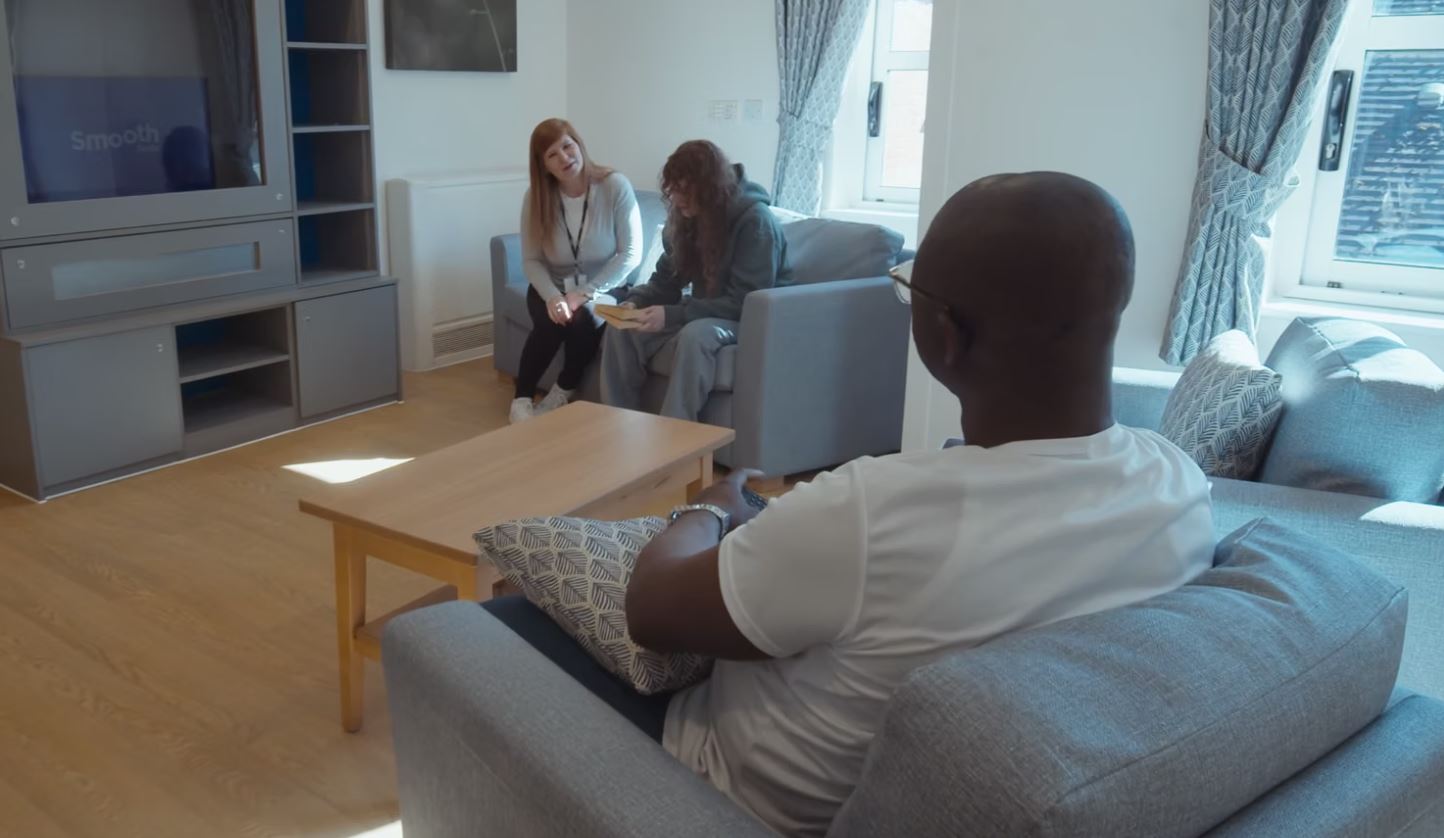


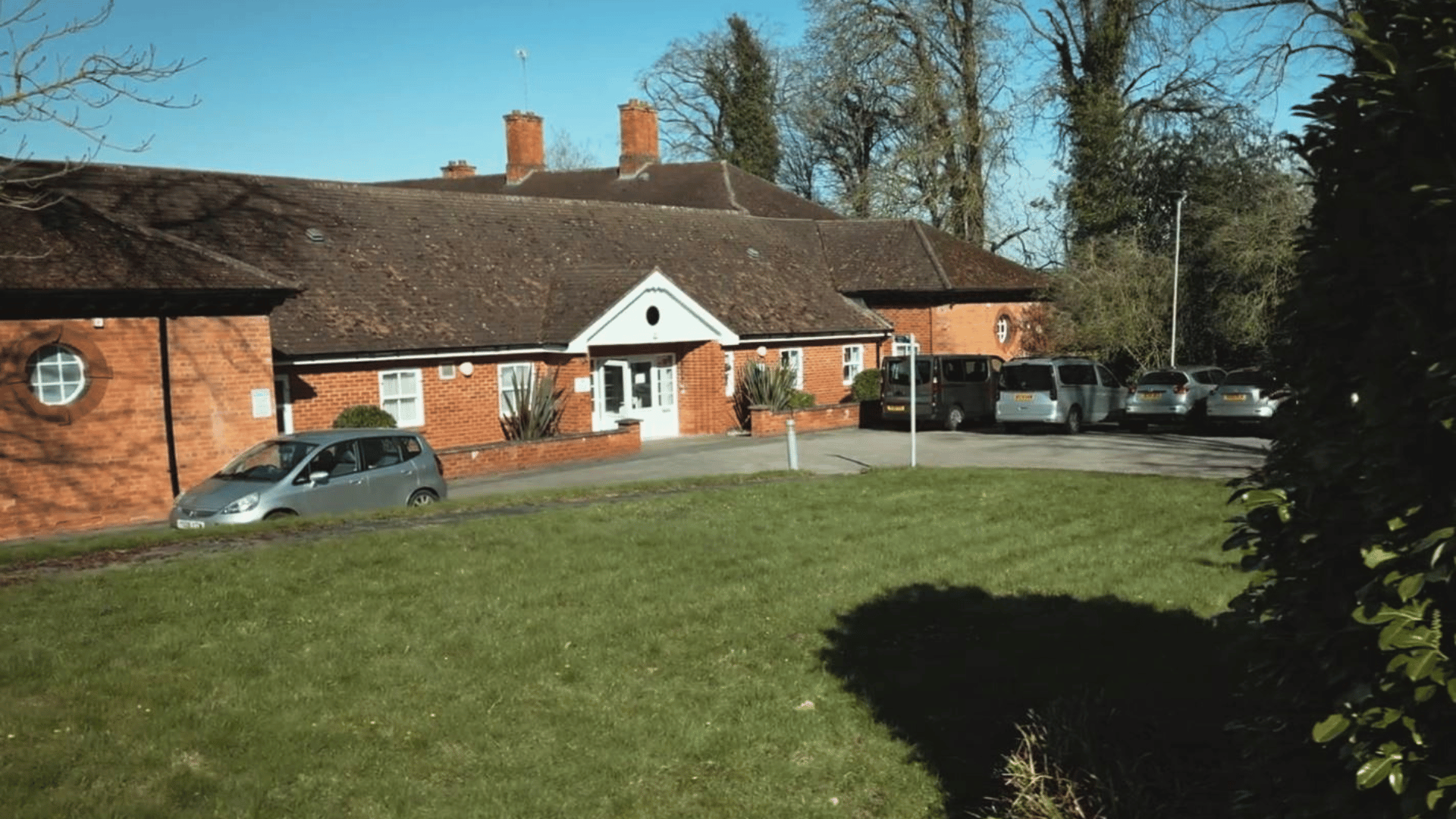
Inside Priory Melton Place
1 of 3
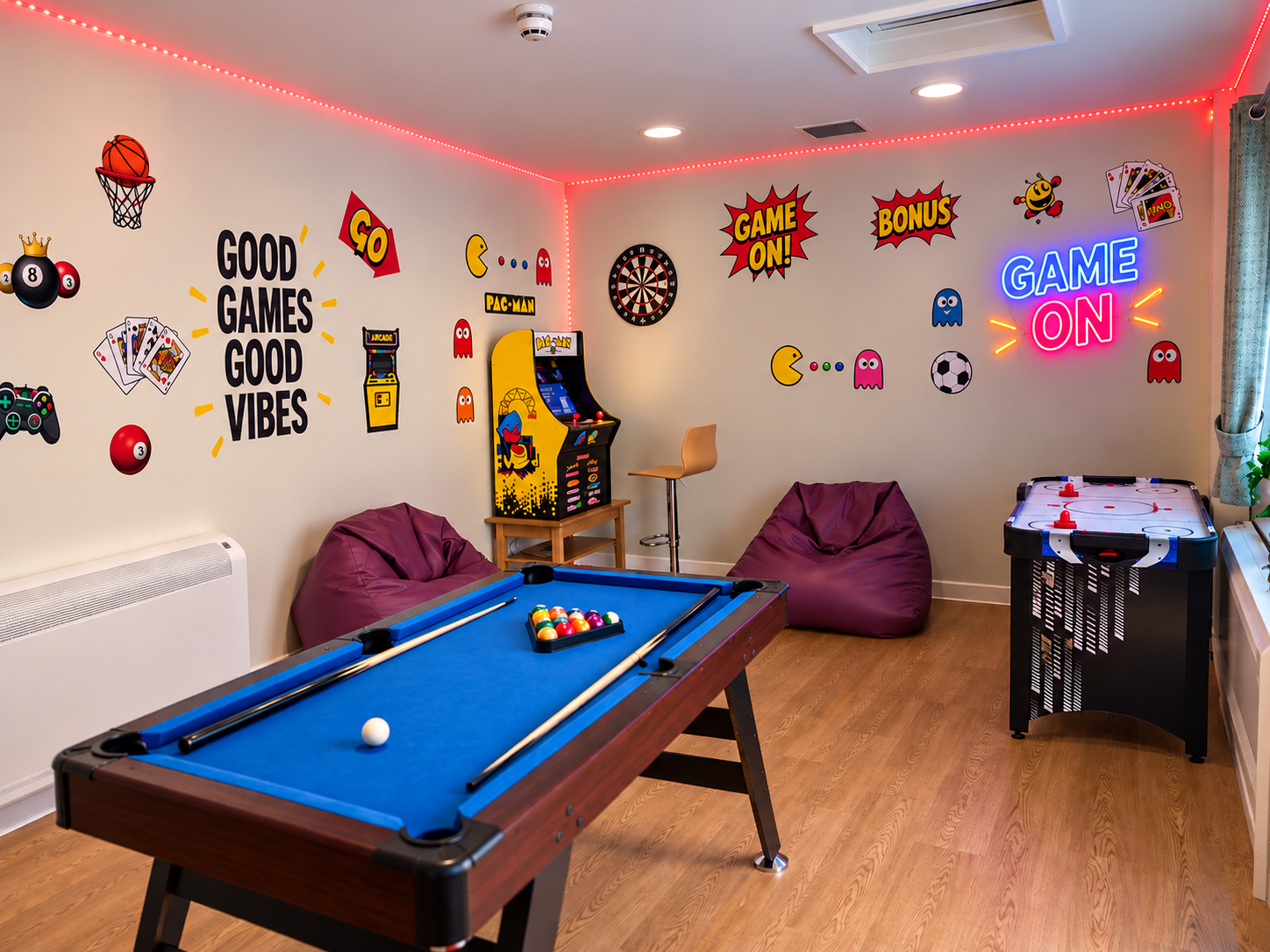
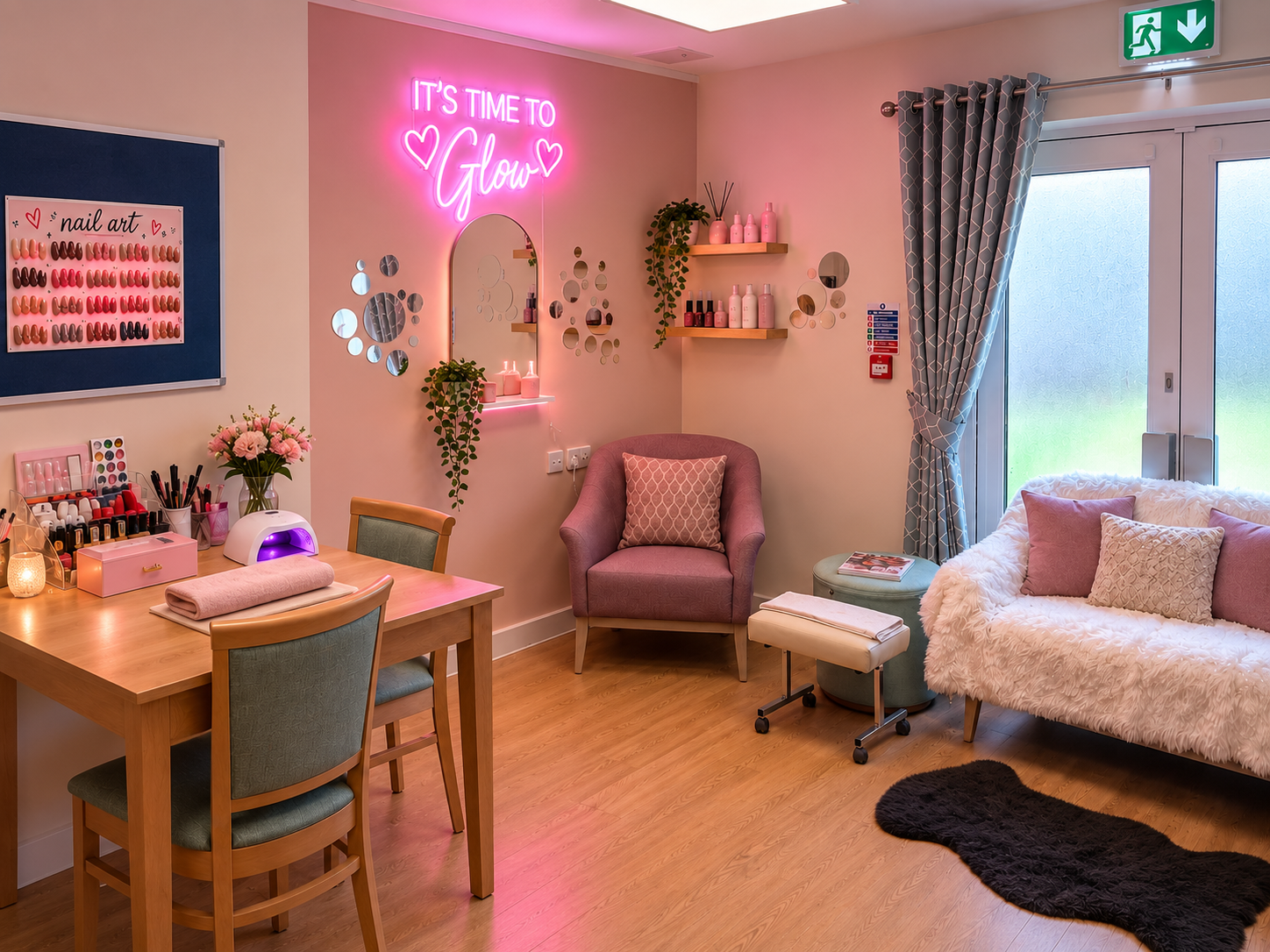
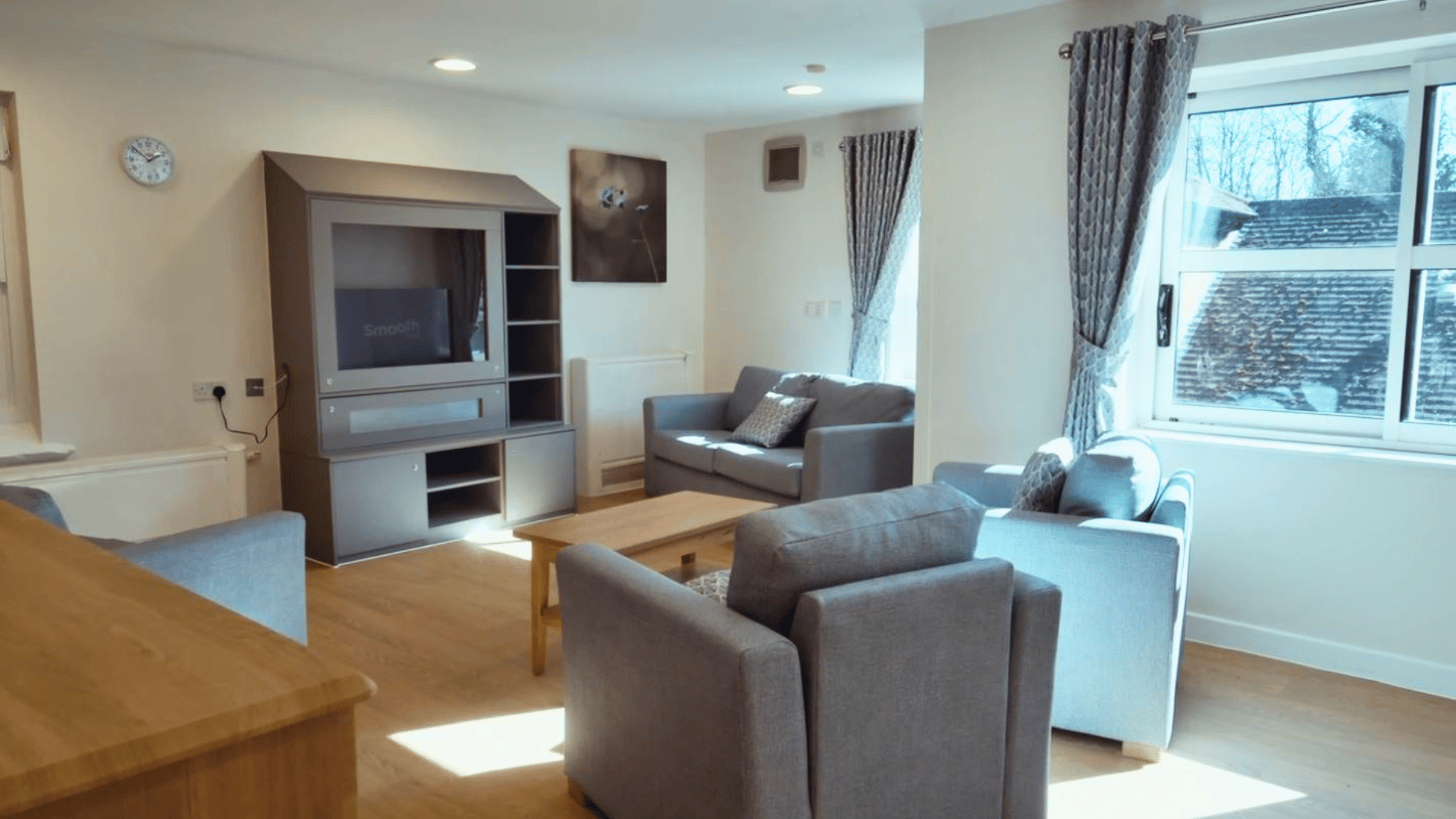


Promoting positive outcomes means recognising that a person’s forensic history is only one part of their story. Our specialist forensic step-down approach is about creating a safe and purposeful bridge from hospital into a less restrictive environment, where people can demonstrate progress, rebuild confidence and begin to take greater ownership of their future.
Our role is to make progression visible and meaningful. We want people to recognise their own achievements and understand how each step contributes to their longer-term goals.
Information for family and friends
How do home visits work?
Residents will be supported to visit loved ones, escorted or unescorted, dependant on the individual. The goal would be to become unescorted.
What is your visitation policy?
We have a relaxed visitation policy in order to meet the needs of loved ones and our residents. Talk to our team for more information.
Will I be involved and kept up to date with my loved one’s care and wellbeing?
Yes – section 117 after care will be in place for most residents, meaning involvement is statutory. We will encourage and support for all residents where they consent to involvement.
Will my loved one be able to have a phone or call me?
Most residents will be permitted to have their own mobile phone pending appropriate use.
What type of things are families expected to provide, and what is provided by the home?
Residents will be encouraged to be as independent as possible – bringing their own linen and towels and to decorate their room to their taste. Family members are also welcome to support in making spaces feel comfortable and homely.
Meals will be catered for onsite although home cooking from loved ones is always welcome as long as it meets our food safety policy.
What are the bedrooms like?
Spacious with en-suite facilities – residents can decorate to their own taste.
Are external doors kept locked?
Yes – The front of the service is locked, however each individual will be risk assessed should they need independent access.
What do service users eat and how do meal times work?
All meals are catered for at site although they can be self-provided if residents wish.
How does laundry work?
Residents are encouraged to do their own laundry with our on-site facilities.
Is there anything they can’t bring or have?
Alcohol, illicit substances and ‘weapons’. Pets, such as goldfish or a hamster, and those that can be contained in a bedroom, are allowed and must be looked after properly.
Are pets allowed?
Small pets, such as hamsters and goldfish, are allowed as pets given they are properly looked after.
We also have a resident cat who lives here.
How do activities work?
There will be activities onsite supported by the team as well as a strong focus on community engagement.
Do service users and families have an input into the service user’s care plans?
Yes, this is always supported.
What are the car parking facilities?
There is free car parking on-site.
What is the smoking policy? Can service users buy cigarettes?
Yes, residents can buy cigarettes. There is a designated smoking area in one of the courtyards.
How is treatment accessed and funded?
Via the local ICB and local authority.
How to make a referral
Our customer service centre provides 24/7 support for NHS mental health enquiries and referrals. Our customer referral co-ordinators can support you from your first call right through to the enquiry conclusion, providing updates throughout the process. We offer 24/7 crisis referrals, fast access to bed availability and placements, and a single access point for end-to-end enquiry management.