Priory The Vines
Specialist neurobehavioural rehabilitation, slow-stream care and community transition

The Vines is a specialist neurobehavioural rehabilitation and neurological care service in Crowborough, East Sussex, providing residential support for up to 14 adults with acquired brain injury (ABI), traumatic brain injury (TBI), stroke and other neurological conditions.
Our service specialises in neurobehavioural rehabilitation, slow-stream care and community transition, supporting individuals experiencing cognitive, emotional, behavioural and functional difficulties following neurological injury or illness.
Click here to enable this content
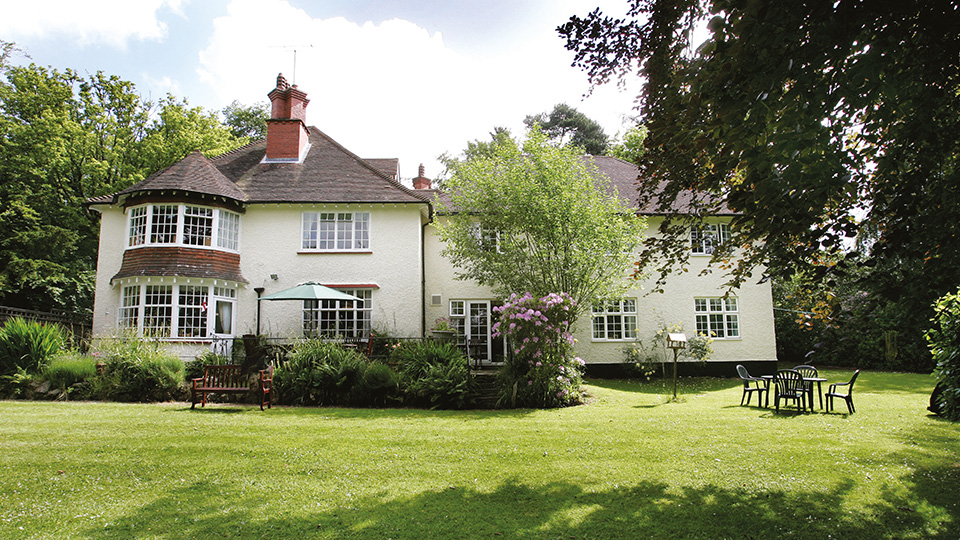
The Vines is situated in a spacious, detached Victorian house in a peaceful, semi-rural setting. The service provides a welcoming, homely environment designed to support wellbeing, independence and individual rehabilitation goals.
In summary, we offer:
Communal spaces and outdoor areas provide further opportunities for social interaction, meaningful activities, relaxation and participation in everyday routines.
We also have a large, pleasant garden, which is complete with:
We also have specialised equipment within the home, such as a bath hoist.
Our bedrooms provide comfortable, welcoming accommodation that residents are encouraged to personalise according to their individual preferences.
The service offers a range of bedroom facilities, including en-suite accommodation and ground-floor rooms. Individual mobility and accessibility requirements are considered as part of the referral assessment to ensure the environment can safely meet each person's needs.
Our rehabilitation and support approach includes:
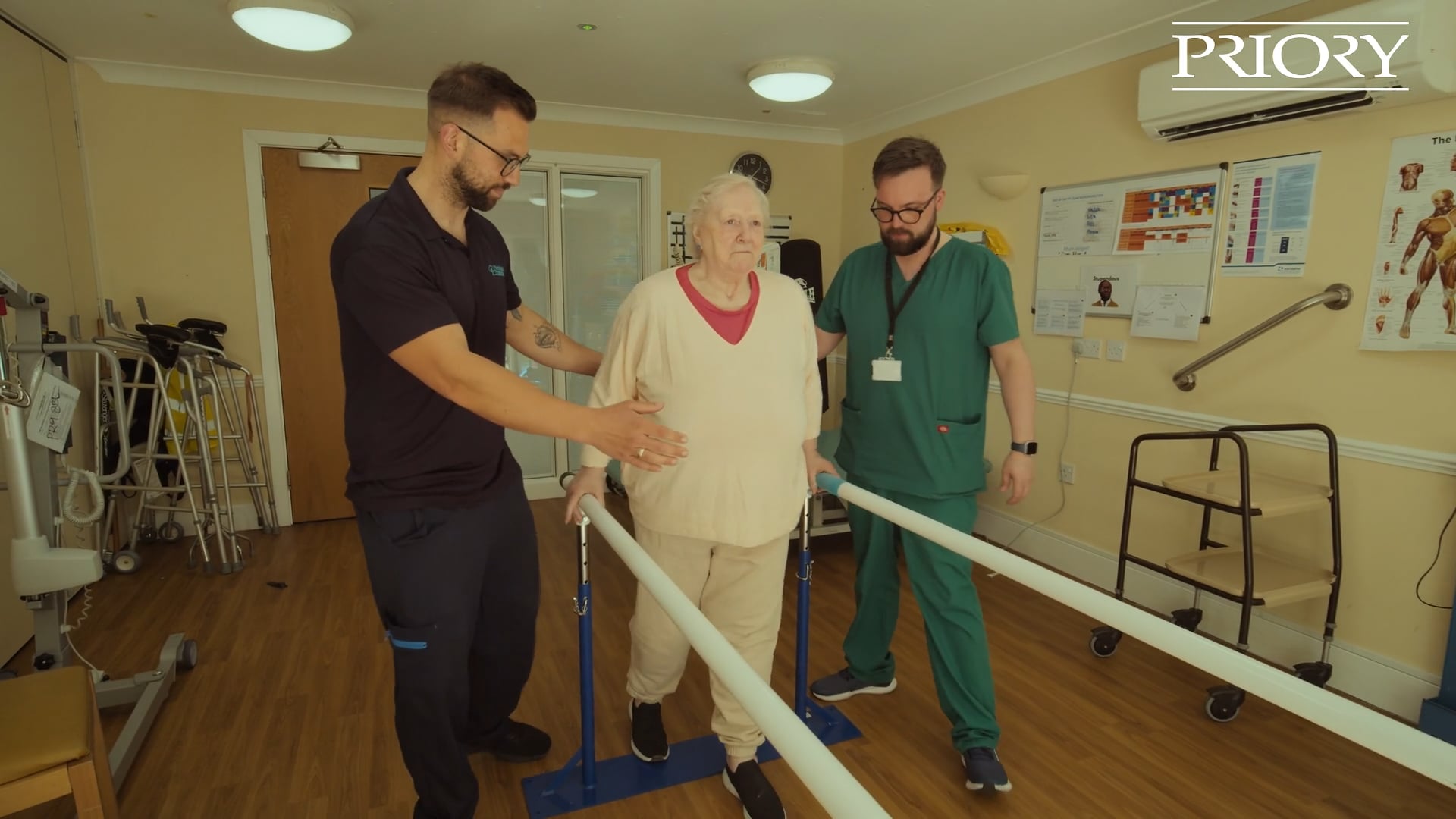
Specialist psychological input is complemented by access to community therapy services, including physiotherapy, occupational therapy and speech and language therapy, according to individual needs and service availability.
Rehabilitation strategies are incorporated into everyday routines, enabling residents to practise skills and work towards their goals beyond formal therapy sessions.
Each resident is supported to develop a personalised activities programme reflecting their interests, abilities and individual goals.
Activities take place both within the home and in the local community, providing opportunities to develop confidence, social interaction, independence and everyday living skills.
Depending on individual needs and aspirations, activities may include cooking, gardening, shopping, accessing local amenities, leisure pursuits and exploring volunteering, educational or employment opportunities.
Our team supports residents to develop confidence, increase independence and participate in their local community, with activities adapted to individual needs and abilities.
Where appropriate, activities can also contribute to community reintegration and preparation for transition towards less supported living environments.
The Vines considers each referral individually to establish whether the service can safely and appropriately meet the person's needs.
The service is not generally suitable for individuals with:
All referrals are subject to individual assessment, risk review and consideration of the service's staffing, facilities and clinical capabilities.
Our rehabilitation pathway:
Referral, assessment and individual goal setting
↓
Specialist neurobehavioural rehabilitation and slow-stream neurological care
↓
Cognitive, emotional, behavioural and functional rehabilitation
↓
Community participation and development of everyday living skills
↓
Independent living skills assessment and transition planning, where appropriate
↓
Community living, supported accommodation or longer-term neurological care
Not every individual will progress through each stage of the pathway. Some residents may require ongoing neurological care and support, while others may work towards a less supported living environment.
We work collaboratively with residents, families, commissioners, case managers and other professionals to establish realistic goals and review future support needs.
The service's two self-contained flats provide opportunities to develop and assess independent living skills, helping inform decisions about progression and future accommodation where appropriate.
Placement duration, rehabilitation goals and onward pathways are determined by individual needs, progress and ongoing support requirements.
The Vines has an experienced team providing individualised neurological rehabilitation, care and support, including:
Where required, the service works alongside community and external professionals, including physiotherapists, occupational therapists and speech and language therapists, to support coordinated care and rehabilitation planning.
Our staff receive training relevant to the needs of the individuals we support, including:
We support individuals with a range of neurological conditions and associated needs, including:
We can also consider individuals with co-existing conditions and mild to moderate behaviours that challenge, subject to individual assessment.
Each referral is considered in relation to the individual's clinical needs, behavioural presentation, mobility, risks and the service's ability to provide safe and appropriate support.

At The Vines, we are committed to providing a supportive, person-centred environment where individuals with neurological conditions can develop their abilities, build confidence and work towards meaningful goals.
Our focus is on understanding each person's unique needs, supporting cognitive, emotional and behavioural wellbeing, and promoting independence through everyday rehabilitation and community participation.
The Vines’ site leader
It is extremely nice living here at The Vines because it is such a peaceful area. Residents play lots of games with each other and the staff help you as much as they can to become independent


Residents are support to attend family events and visit their family homes. Beforehand, a risk assessment is carried out, and the individual’s key worker may come along on the visit to help things run smoothly.
We welcome the loved ones of our residents to our home any time. They are also welcome to join in our activities at the home too. All we ask is that visits are planned in advance to support individual needs. Unfortunately, family members cannot stay overnight.
We arrange more regular catch-ups either in person or via telephone, to ensure families are kept informed. We will work with you on an individual basis to work out a style of communication that suits you.
We have a landline and cordless phones in the home for residents to use. Some of the people staying with us are also able to have their own mobile phone.
The bedrooms are furnished to suit the needs of our residents. We encourage them to personalise their rooms so they feel homely, and we can help with this.
Our external doors are locked, to keep everyone safe. However, every resident will be risk assessed to determine the level of security they need. They can move around the home freely, enjoying our large garden area.
Our staff support residents to choose and prepare what they want to eat. Some people need an extra hand with preparing their food or have special dietary requirements, which our staff are happy to help with.
Our team will ensure that residents always have access to clean clothes and bedding. We have a laundry room which residents make use of either independently or with the support of their key worker.
Most of our residents help to keep their rooms clean and tidy, supported by our staff team. This helps people build up their daily living skills, as well as take pride in their environment. We also have a housekeeper, who ensures the communal spaces stay clean.
Residents are not allowed to bring illegal substances onto the premises. We would also ask that people do not bring high risk personal items into the house. Typically, we do not allow alcohol on-site. We may place restrictions on other items where the risks cannot be appropriately managed.
At The Vines, we recognise that acquired brain injury and neurological conditions can result in changes to behaviour, emotional regulation, cognition and communication. Our approach focuses on understanding the underlying causes of behaviour and providing individualised, proactive support.
Specialist psychological input helps inform assessments, positive behavioural support strategies and individualised care plans, with a focus on reducing distress, developing coping strategies and promoting emotional wellbeing.
Our staff work collaboratively with residents, families and relevant professionals to provide consistent support, incorporating agreed behavioural and rehabilitation strategies into everyday activities and routines.
Staff receive specialist training, including PROACT-SCIPr-UK, to support the safe and therapeutic management of behaviours that challenge, where appropriate.
All referrals are assessed individually to ensure that behavioural needs can be safely and appropriately supported within the service.
We work with social workers, family members and residents to develop care plans which are in the best interests of our residents. We use a variety of communication tools and work with health professionals to aid each resident in having a say about every aspect of their care. Care plans are regularly reviewed, and family members will be asked for their input.
We have on-site parking for up to ten cars.
Residents can smoke by the designated smoking area in the back garden, which has a shelter. We don’t permit smoking inside the building, and this includes vapes. Residents are able to buy cigarettes and vapes at the shops, if this is what they choose.
Our fees can vary, and are based on an assessment of each individual's needs. Many people are eligible for financial help towards the cost of support, and this funding can be accessed by contacting your local authority. Once funding has been agreed, we will work with your local care team to put together a bespoke package of care. Please note, referrals for NHS or Local Authority funded services must come from a referring organisation.
We welcome referrals for adults requiring specialist neurological rehabilitation at different stages of recovery, including individuals ready to transfer directly from an acute hospital setting, those requiring ongoing or longer-term rehabilitation, and individuals working towards greater independence and community discharge.
Referrals can be made through the individual’s social care team or, if relevant, their local health authority. Use the buttons below, or email your service development manager.