

- Seasonal affective disorder (SAD) is most commonly linked to winter, but some people experience symptoms during summer
- Summer SAD can lead to insomnia, anxiety, irritability, loss of appetite and can significantly impact people’s lives, warns mental health expert
- Priory psychologist says greater awareness could help more people recognise symptoms and seek support earlier
Seasonal Affective Disorder (SAD) is usually associated with dark winter mornings and shorter days. However, mental health experts at Priory are highlighting that seasonal depression also occurs during the summer months for a significant number of people.
While SAD affects an estimated three in every 100 people in the UK, a smaller number of people experience symptoms during spring and summer. Estimates suggest around 80 to 90 percent of cases follow the winter pattern and 10 to 20 per cent of cases occur in summer.
Adriana Kober, Clinical Psychologist at Priory, said: “While many people associate seasonal affective disorder with the darker winter months, some individuals experience the opposite pattern in summer. Longer days, higher temperatures and disrupted sleep can all contribute to feelings of agitation, low mood and anxiety.
“Summer SAD can be particularly isolating because it runs counter to the expectation that we should feel happy at this time of year. A lack of awareness of the condition leaves many people without the support or knowledge they need to manage their symptoms.”
The condition is a recognised form of depression in which symptoms follow a seasonal pattern and can have a significant impact on a person's daily life, relationships and wellbeing.
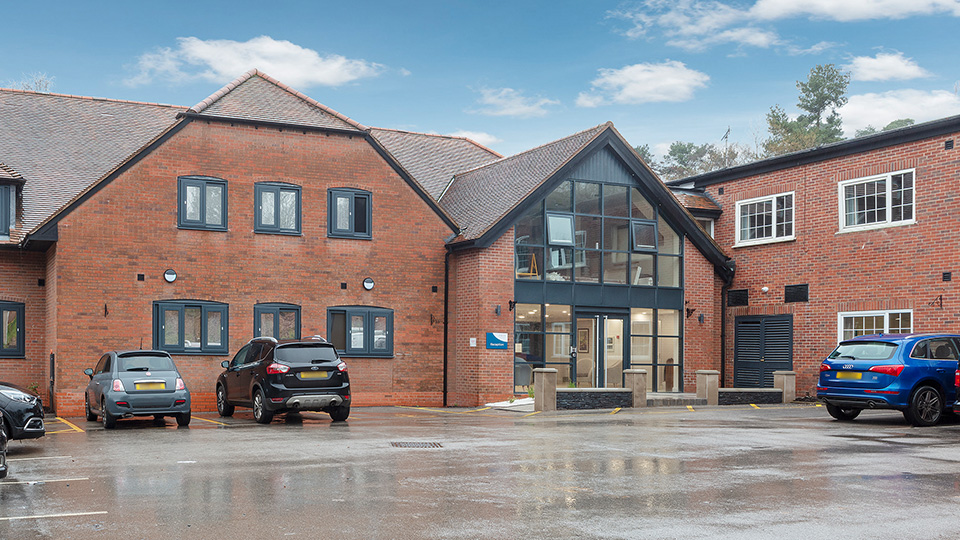
Kober, who supports patients at Priory Hospital Barnt Green in Birmingham, said: "Biologically, circadian rhythm disruption plays a central role. Light exposure regulates hormonal systems linked to mood stability, meaning changes in daylight can affect sleep patterns, energy regulation and emotional balance.
"Summer is often associated with social activity, positivity and confidence, but for people experiencing low mood or anxiety, the contrast between their internal experience and external expectations can intensify distress.
“Existing mental health conditions, including anxiety disorders, depression and bipolar disorder, can also make some people more vulnerable to seasonal changes."
While SAD can have a significant impact on daily life, Kober offers reassurance that people can effectively manage their symptoms with the right tools and support, and that a range of evidence-based treatment options are available.
Kober said: "Seasonal affective disorder is a recognised and treatable mood disorder. Cognitive behavioural therapy (CBT), medication where appropriate and practical strategies to support sleep, routine and overall wellbeing can all play an important role in treatment.
“If symptoms persist for more than two weeks, interfere with day-to-day functioning, or return at the same time each year, it is important to seek professional support. Early intervention can make a significant difference and help people regain stability and quality of life throughout the year."