
Stress medication
Stress can affect anyone and medication can play an important role in helping to manage it. Learn about the options available.
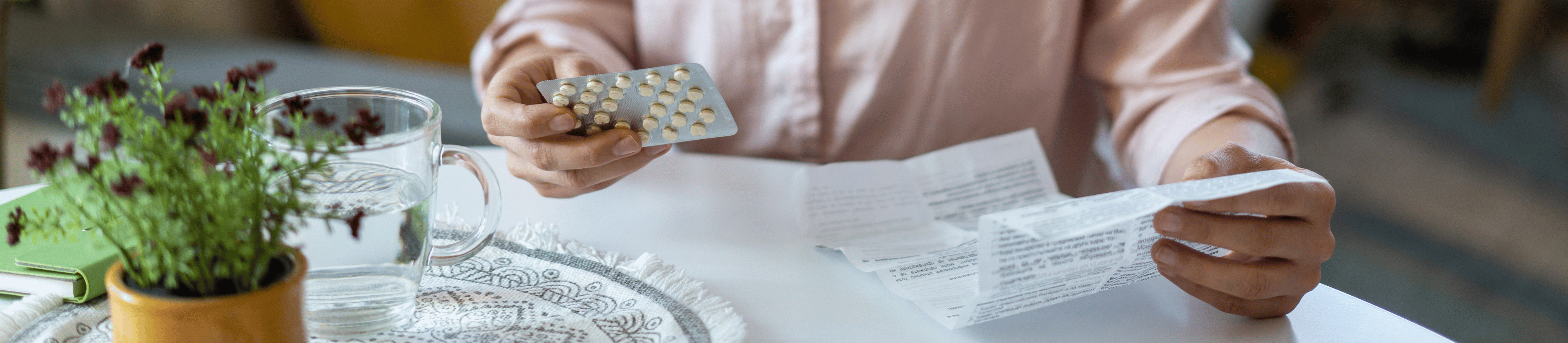


Stress statistics suggest that up to three-quarters of UK adults feeling so stressed at some point over the past year that they felt overwhelmed or unable to cope. Work-related stress in particular costs the UK economy £28bn a year.
While there’s no specific medicine that ‘cures’ stress, medications are available to help manage the symptoms of stress.
This article outlines the over-the-counter remedies and prescription medication that can help with the psychological symptoms of stress (such as anxiety or low mood) and the physical signs of stress (like rapid heartbeat and tension).
Medication can sometimes help to manage the symptoms of stress, particularly when it leads to anxiety, low mood, or physical symptoms such as palpitations and muscle tension.
While there’s no specific medicine that directly treats stress, doctors may prescribe medications that target its related effects, such as antidepressants (SSRIs and SNRIs), short-term sedatives (benzodiazepines), or beta-blockers for physical symptoms.
Medication isn’t right for everyone, and it can take time to find what works best. It’s always important to speak to a GP before starting or stopping any treatment, as they can help you weigh up potential benefits, side effects, and safer long-term approaches to managing stress.
As there’s no single ‘stress tablet’ available on prescription, doctors target the issues that can accompany stress such as anxiety, low mood or the physical symptoms of stress. It’s important to seek advice from medical professionals who are qualified to decide which approach is right for you.
Here are the main types of prescription medication a UK doctor might use to treat stress-related symptoms.
It’s important to monitor your reaction to prescription medication, particularly any potential interactions with other medications you’re taking. Make sure you attend follow-up appointments with your GP who will supervise how you’re doing.
Remember, medication is just one part of a broader stress management plan. Combining it with therapy and positive lifestyle changes can help you achieve the best results.
If you’re looking for ways to manage stress without a prescription, there are several herbal and natural remedies that people commonly try. These can sometimes help with relaxation, sleep, or mild anxiety.
It’s important to remember that while they are available over the counter, they’re not risk-free – and the evidence for their effectiveness is often limited.
While some people find these remedies helpful, their effects are generally subtle and may vary from person to person. In most cases, scientific evidence is not strong enough to confirm how well they work for stress, and some can interact with other medicines.
If you’re thinking of trying any over-the-counter supplements or remedies, it’s important to discuss your options with your GP or with a pharmacist. This is particularly important if you’re already on other types of prescription medication.
You may find that your GP recommends trying a prescription option, especially if your symptoms are more severe or persistent.
Medication can reduce symptoms but it doesn’t address the underlying causes of stress. For lasting improvement, it’s better to combine medication with therapy, self-care and positive lifestyle changes.
Psychological therapies and healthy lifestyle practices teach coping strategies that reduce the likelihood of symptoms returning
Incorporating healthy habits can complement therapy and medication. Here are some of the most common lifestyle changes that may help relieve stress:
Explore our Priory guided meditations for plenty of free meditations and relaxation exercises.
Combining medication with therapy often leads to more effective, longer-lasting results than relying on medication alone. At the same time, medication can help ease overwhelming symptoms, allowing you to engage more fully in therapy
If stress has become overwhelming or is affecting your ability to function, it’s important to reach out for professional support. You could this through your GP, or a provider of private stress treatment like Priory.
Depending on your individual needs, this could be accessed as an inpatient (where you stay for the duration of your treatment), an outpatient (where you attend regularly but live at home) or online (typically a regular slot with the same therapist), at a time that suits you.
If you ever experience thoughts of self-harm, feel unable to cope day-to-day, or develop severe physical symptoms like chest pain or difficulty breathing, seek urgent help. In an emergency, call 999. For immediate crisis support, you can contact the Samaritans at any time on 116 123.