Sensory processing differences explained
This page is for anyone trying to understand and manage sensory processing, whether this is your own experience, your child’s, or someone you’re in contact with.



Sensory processing differences exist on a spectrum, and it doesn’t necessarily mean someone is neurodivergent (for example, autistic people or those with attention deficit hyperactivity disorder (ADHD)).
If you’re worried or confused by your reaction to sensory input, there are many ways you can support yourself or someone else in managing those differences.
How sensory information is processed exists on a spectrum, which means variation, rather than a deficit or sign of illness.
Variation exists not only between people but within the same person as well. How sensory information is processed can change depending on many factors including:
Many types of sensory processing differences exist – in some cases, it can affect one sense, several senses, or change depending on context.
Some people experience sensations more intensely than others. Everyday things like bright lights or certain textures can feel overwhelming rather than bearable or neutral.
This can lead to sensory avoidance - as a result of nervous system overload, a person might avoid certain things or situations.
Others may notice sensations less strongly or may need more input to notice them at all. They’re not ignoring their surroundings, but their nervous system needs stronger or repeated sensory signals.
This can lead to sensory seeking - craving or needing stronger sensory input to feel regulated, focused or calm.
For many people, it’s a mix of sensory responses rather than one consistent pattern. Sensitivity can change depending on factors like stress, fatigue, illness or environment.
Below are everyday examples of common sensory triggers:
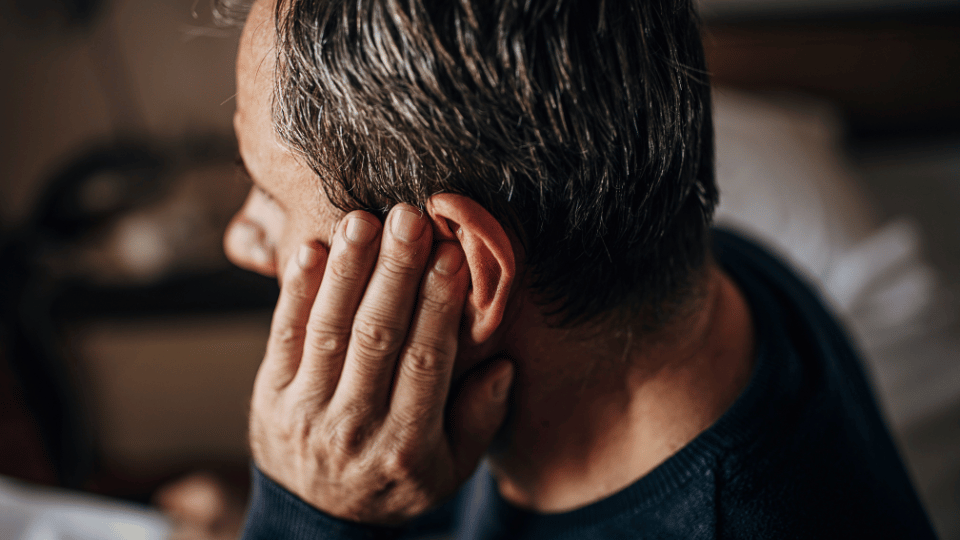


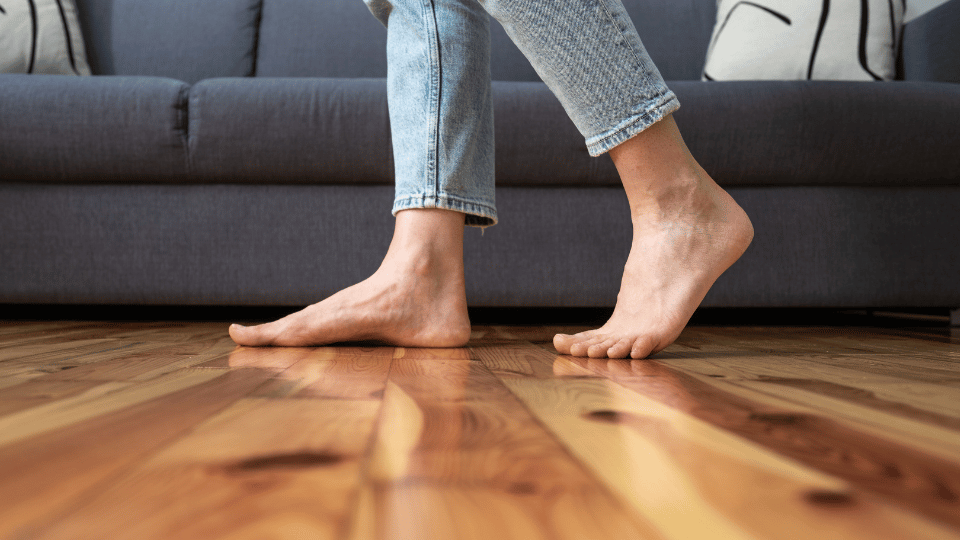
Sensory overload means the brain is receiving more sensory information than it can comfortably process at once. This can happen suddenly or gradually, and may be influenced by cumulative stress or fatigue.
When the nervous system is overwhelmed by sensory overload, a person may experience an involuntary protective response known as a ‘shutdown’ or ‘meltdown’.
Shutdown: the nervous system pulls inward or goes into ‘freeze’ mode. A person might go quiet or withdraw, and feel numb, detached or exhausted.
Meltdown: an involuntary outward release of an overwhelmed nervous system, or a neurological ‘fight or flight’ response. It can involve shouting, crying or physical aggression, and is the result of being overloaded rather than ‘throwing a tantrum’.
Sensory processing differences, either heightened or reduced, are very common in autistic people, although they vary widely from person-to-person.
Sensory input may feel overwhelming or distracting for some, while others might seek stronger sensory input to feel calm or focused. These experiences can influence concentration, emotional regulation and how manageable an environment feels.
It’s not fixed and may increase during periods of stress, fatigue, illness or change.
People with ADHD also experience sensory processing differences, particularly around filtering, focus and the need for stimulation. This is part of how their brain processes information and responds to its environment.
Sensory input, such as background noise or movement, might be harder to filter out. Low-stimulation environments can make it more difficult to stay engaged.
For some, seeking movement or sensory input can help them with focus and emotion regulation.
Sensory experiences can overlap between ADHD and autism. However, the underlying reasons and patterns aren’t always the same.
In autism, sensory differences are often linked to how sensory information is processed and experienced. In ADHD, sensory differences are commonly connected to attention, filtering and regulation.
In cases where people have both ADHD and autism, sensory experiences may reflect a combination of both and can vary widely between individuals.
The following tips are options for reducing cumulative strain, rather than rules, so explore what works best for you or your loved one.
Sensory processing differences exist on a spectrum. In some cases, making a few personal adjustments can be enough. For others, it might be helpful to find additional support if sensory experiences are significantly affecting daily life, wellbeing or relationships.
Professional guidance or an assessment for ADHD or autism can be an option for those who want it, but it’s not a requirement - sensory processing differences don’t need a diagnosis.
Adults might seek support in the context of ongoing stress, burnout or daily overwhelm. Children may benefit when sensory needs affect learning, behaviour or emotional wellbeing.