Call Us
Tap on a number to call
Enquire
Log In
Menu
Contact Us
Call Us
Tap on a number to call
Enquire

Mental health treatment for children and young people

Treatment and support for children starts with a digital assessment, allowing you to share your experiences and give our experts insight into your daily life.

Page last updated:
Written by: Rachael Heades
Senior mental health & addictions writer
Clinically reviewed by: Dr Josephine Neale
Consultant Child and Adolescent Psychiatrist at Priory Hospital Ticehurst House

When a child or young person is struggling with their mental health, it can be hard to know what support might help. Every child’s needs are different, and what works for one young person may not be right for another.

Mental health treatment for young people can range from short-term therapy to more intensive care , depending on what a child is experiencing and how it’s affecting their daily life. This page is here to help you understand the different options available.

How mental health treatment for children works

Mental health support for children and young people isn’t a fixed pathway. Treatment is tailored to each child, taking into account their age, experiences and wider family context, and can adapt as their needs change.

Treatment is delivered by multidisciplinary teams who work together to provide joined-up, whole-person care. This may include therapists, psychologists, psychiatrists, nurses, support workers and other specialists, depending on what support is appropriate. Working in this way allows the team to support the child as a whole, rather than focusing on a single difficulty in isolation.

Support is flexible and responsive. Some children may benefit from short-term, focused support, while others may need more structured or longer-term care. 

As a child grows, develops and responds to treatment, the level and type of support can be reviewed and adjusted, helping ensure they continue to receive care that’s right for them.

Starting with an assessment

An assessment is the starting point for all mental health care for children and young people. This is a supportive conversation designed to build a clear picture of how a child is feeling, what they may be finding difficult, and what support could be helpful for them. 

During an assessment, professionals aim to understand a child’s needs. This includes their emotional wellbeing, behaviour, any risks or concerns, strengths, and the environment around them, such as home, school, friendships and family life. 

Having an assessment doesn’t automatically lead to treatment. For some families, it provides reassurance or guidance about next steps. For others, it may help identify whether more structured support could be helpful, or whether another type of service would be more appropriate. The purpose is to explore options, not to commit you or your child to a particular pathway.

Treatment options for young people

When it comes to mental health treatment for children and young people, there are generally three main types of support. These are:

  • Outpatient therapy
  • Day care services
  • Inpatient treatment

Each offers a different level of support, depending on how much help a child needs at that point in time. There’s no single ‘right’ option, and these approaches can be used at different stages of a child’s care. 
The table below gives a simple overview of how these options differ, to help you understand what each one involves.


Treatment formatLevel of supportLevel of contactWhere it takes place
OutpatientLowWeekly sessionsClinic-based or online
Day careModerateFull or half-days each weekSpecialist day care centre
InpatientHighRound-the-clock careSpecialist residential centre

Outpatient therapy

Outpatient therapy is often the least intensive form of mental health support and is designed to fit around a child or young person’s everyday life. It involves regular therapy sessions, often weekly, while the child continues to live at home, attend school and maintain their usual routines. Sessions typically last around an hour and can take place in-person or online, depending on what works best for the child and family.

Therapy is tailored to the young person’s needs, age and experiences, with the therapist selecting the most appropriate approach. This may include CBT, EMDR or psychodynamic therapy, depending on what is likely to be most helpful at that time.

Who provides the support?

Support is most commonly provided by a CAMHS therapist, counsellor or psychologist. They help the child talk about what they’re experiencing, develop coping skills and better understand their thoughts, feelings and behaviours. 

How are families involved?

Parents and carers are usually involved in outpatient therapy in a way that reflects the child’s age, needs and preferences. This may include regular updates, guidance sessions for parents or joint sessions where helpful. 

The aim is to ensure that support extends beyond the therapy room and feels joined up for the whole family.

What's the environment like?

The environment for outpatient therapy is calm, welcoming and age-appropriate. Sessions take place in settings designed to feel safe and non-threatening, rather than clinical. For some families, online therapy offers additional flexibility and comfort, allowing young people to access support from home.

Day care services

Day care services offer a level of support that sits between outpatient therapy and inpatient care. The young person attends a structured therapeutic programme in full or half-days, but continues to live at home. 

It can be a helpful option for young people who need more support than weekly therapy alone can provide, but who don’t need round-the-clock care.

Who provides the support?

Care is delivered by a multidisciplinary team, which may include therapists, nurses, psychiatrists, teachers and support staff. Everyone involved contributes to a co-ordinated care plan, with the focus on stabilisation, improving emotional wellbeing and helping young people build skills they can use in everyday life.

What does a typical day look like?

A typical day follows a therapeutic timetable that balances emotional support and practical skills. This may include individual and group therapy sessions, such as CBT, alongside work on coping skills, emotional regulation and stress management. 

How are families involved?

Families are kept informed and involved throughout day care. Parents and carers are usually part of care planning and reviews, helping ensure that they understand progress, concerns and next steps. 

How does day care fit into the wider pathway?

At Priory, day care services are part of our whole-person approach. They offer structured support while helping children and young people remain connected to home, education and family life. Care can be scaled up or down as needed. Day care may support a step down to outpatient therapy, or, if it becomes clear that more intensive support is needed, a step up to inpatient treatment.

Inpatient mental health treatment

Inpatient mental health treatment is a more intensive form of support for children and young people who need round-the-clock care. It’s designed to help a young person stabilise, feel safe, and begin to work on their mental health in a structured and supportive environment. 

When is inpatient care needed?

Inpatient care may be considered when a child’s needs are complex, persistent or can’t be safely managed through outpatient therapy or day care alone. This can include situations where emotional distress is significantly affecting daily life, where a young person is experiencing severe anxiety, depression or difficulties with emotional regulation, or where specialist assessment and support are needed. 

Who provides the support?

Care is delivered by a multidisciplinary team, which may include consultant psychiatrists, therapists, nurses, psychologists and support workers. Together, they provide a tailored programme of individual and group therapy, wellbeing activities, education, practical support and monitoring that aims to promote recovery.  

What's the environment like?

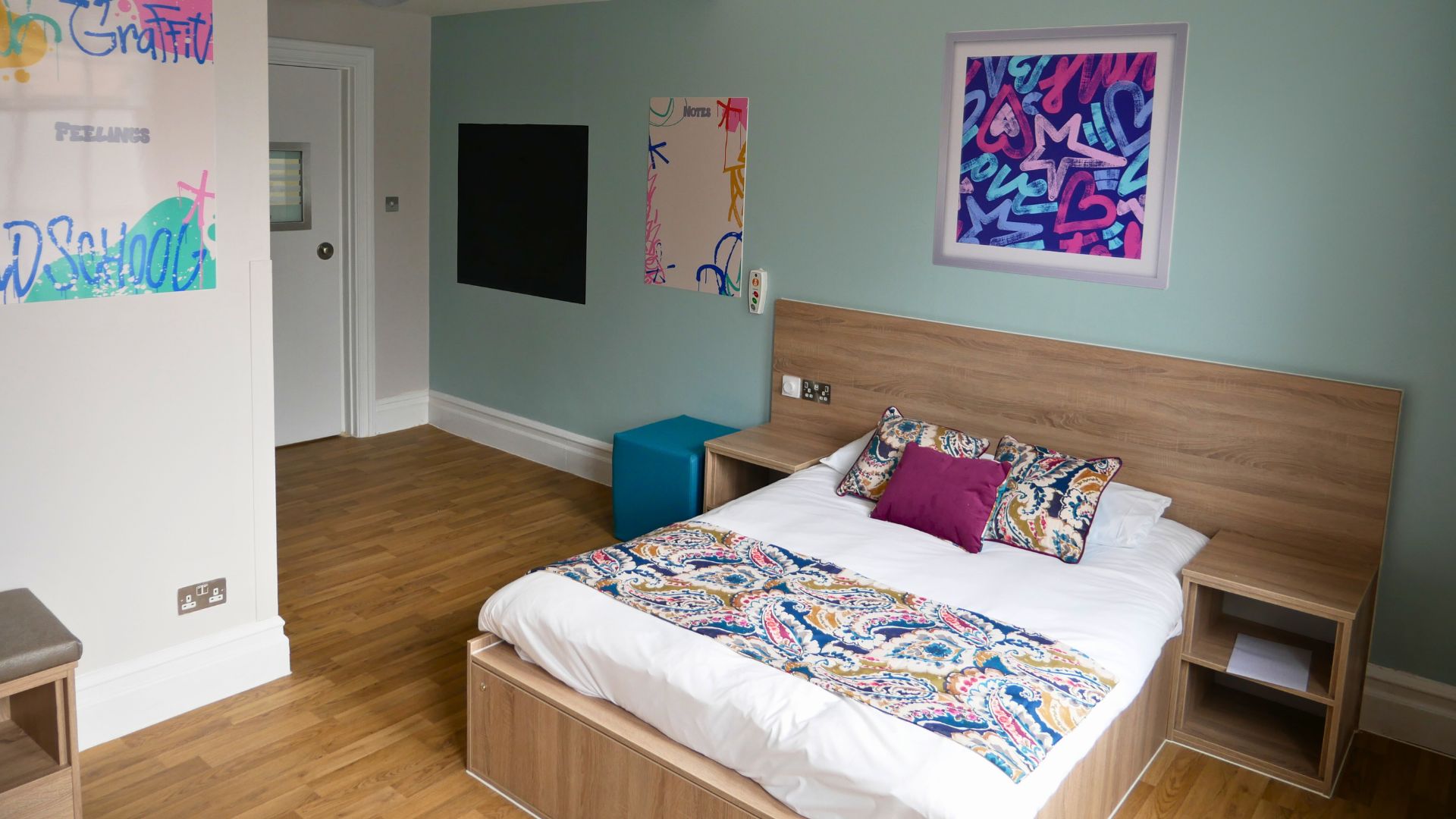
When a child or young person receives inpatient care, they stay on-site at a specialist unit that’s been designed to be safe, structured and age-appropriate. 

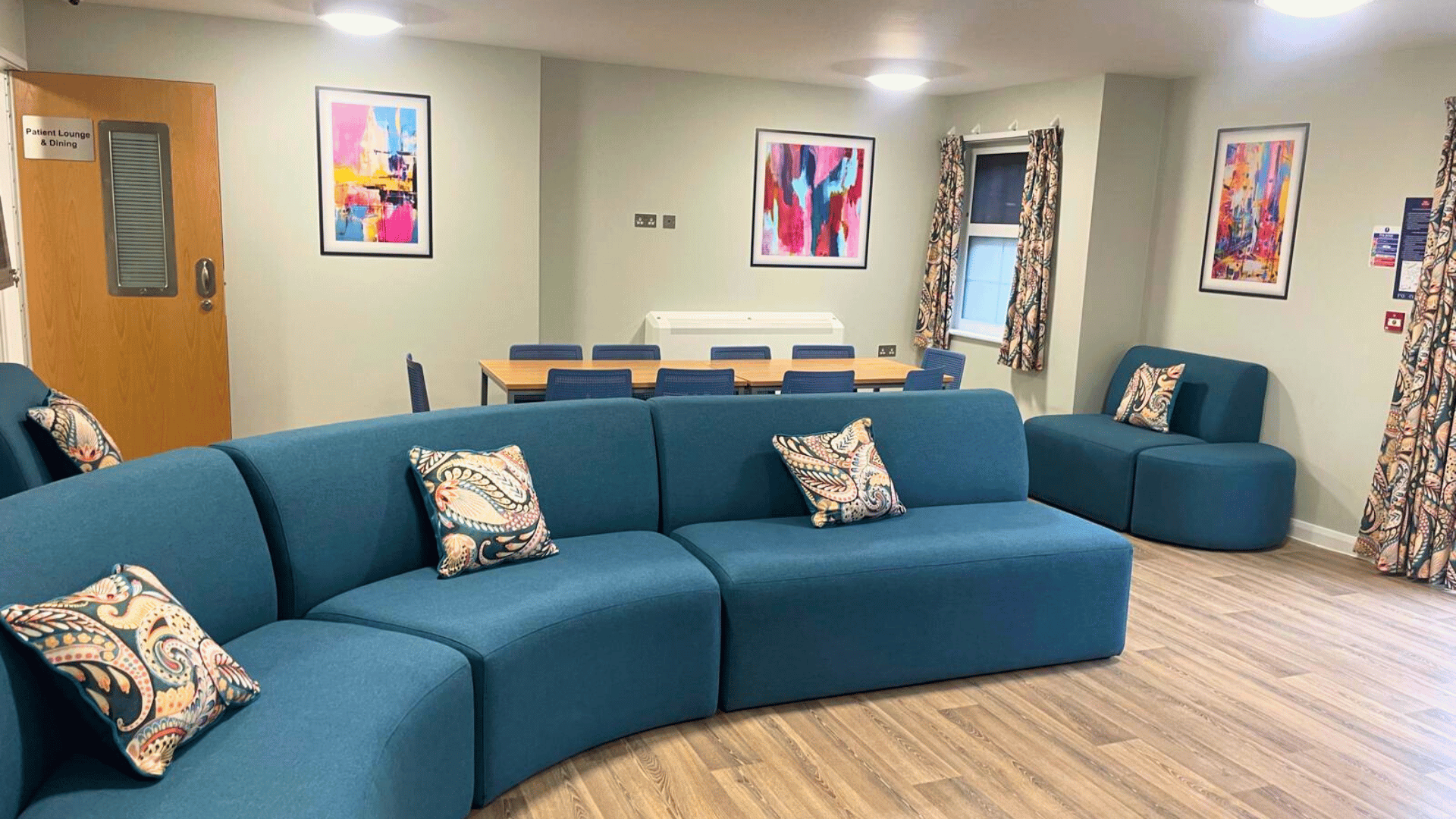
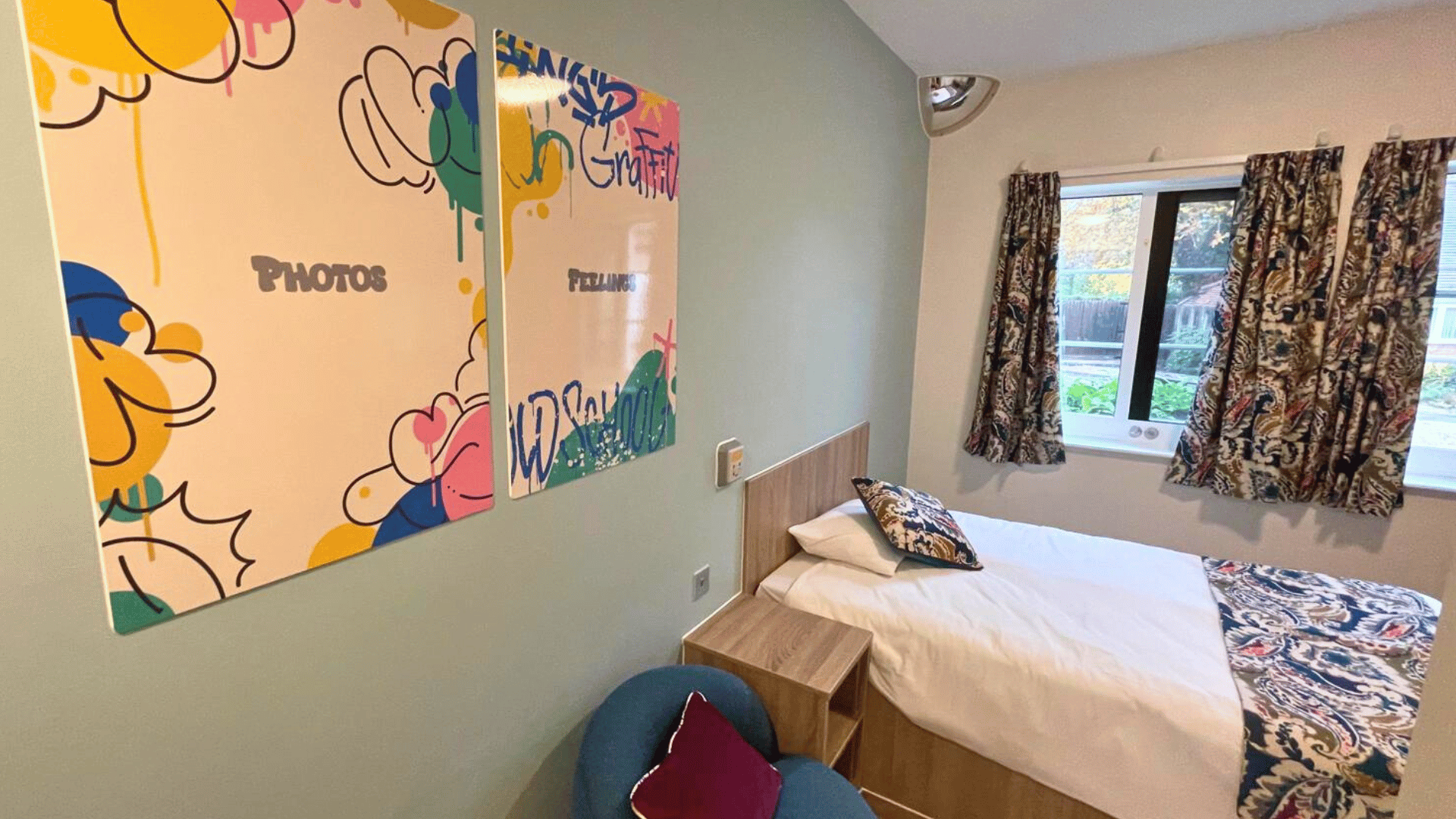
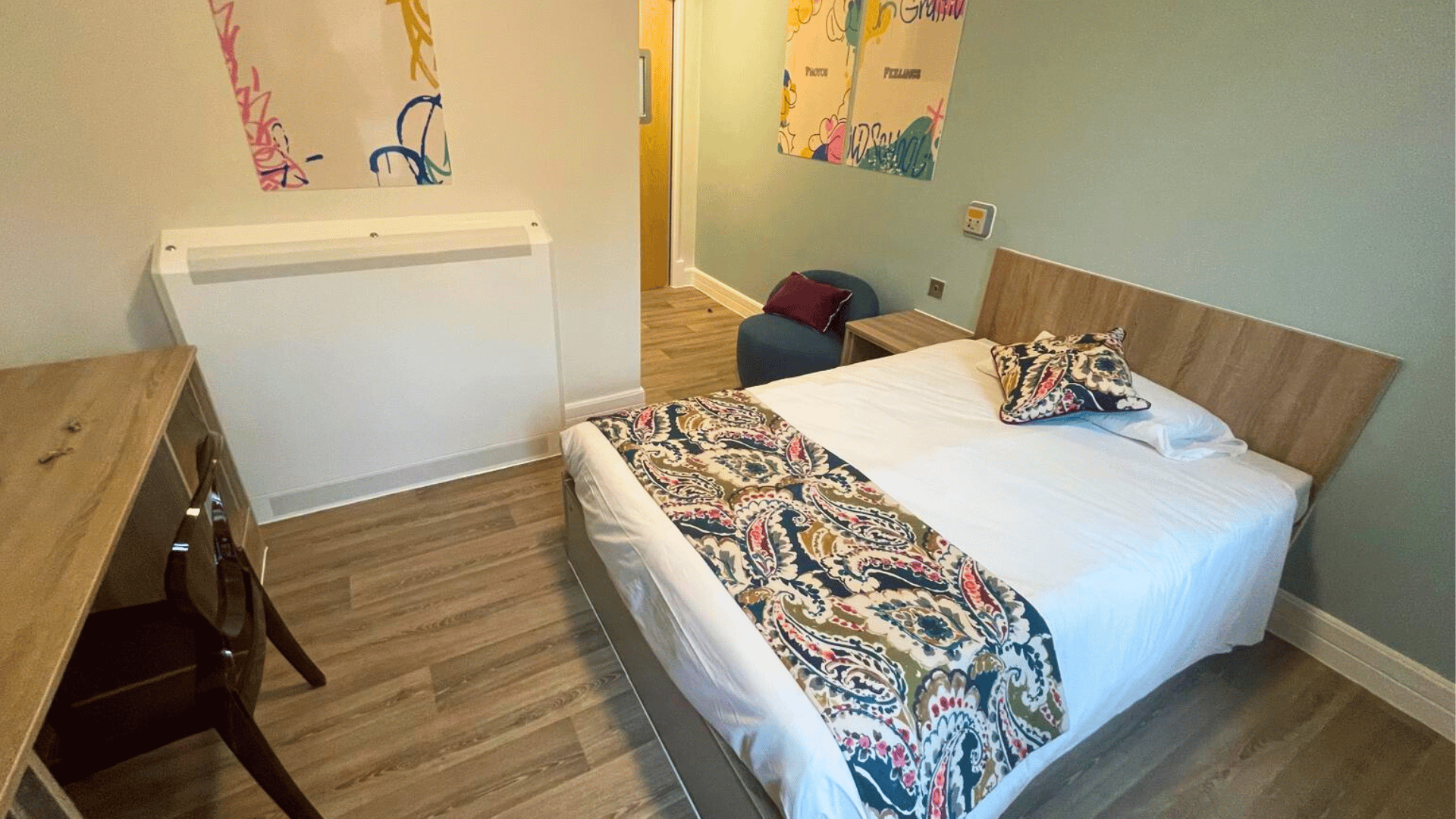
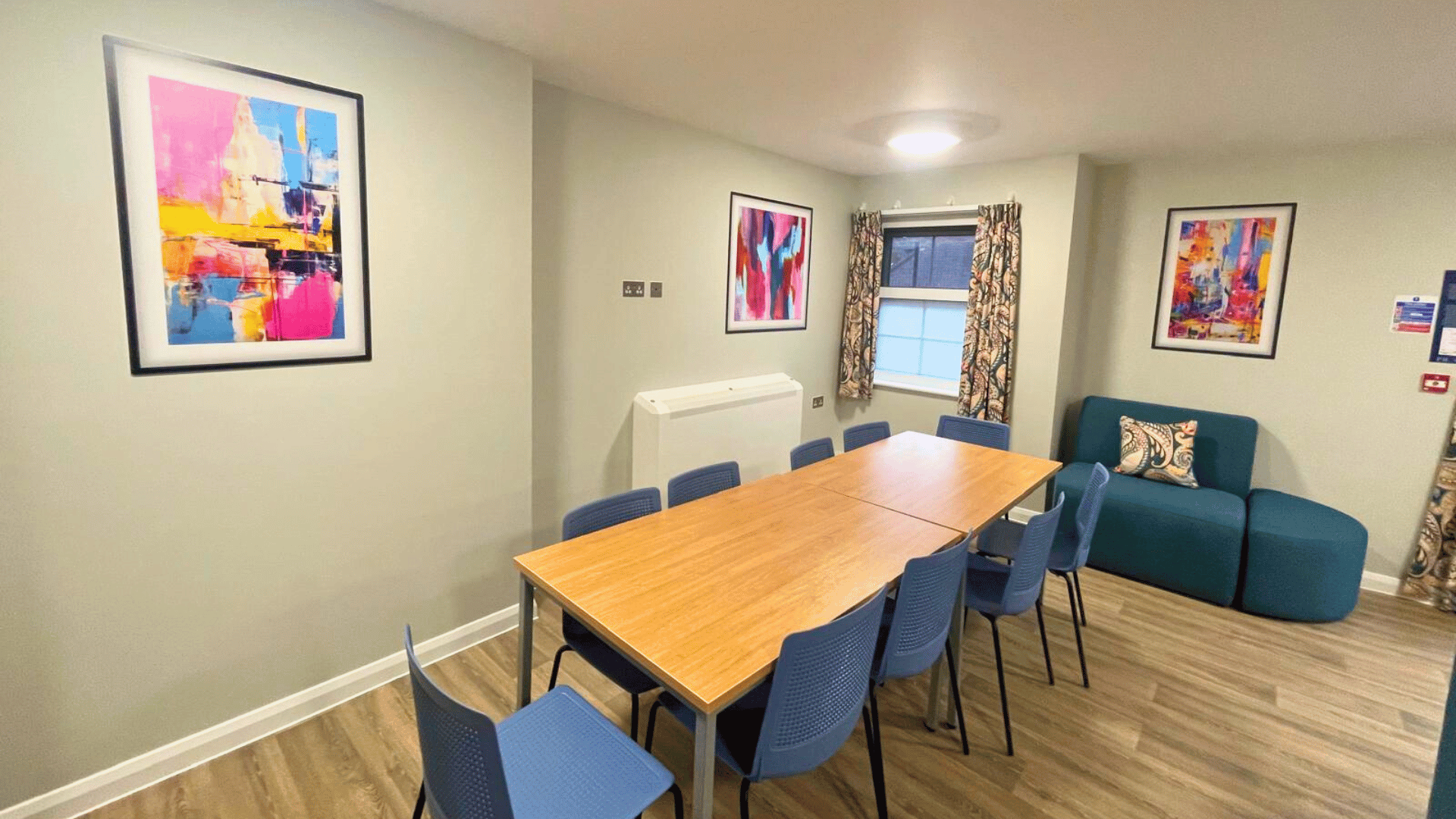
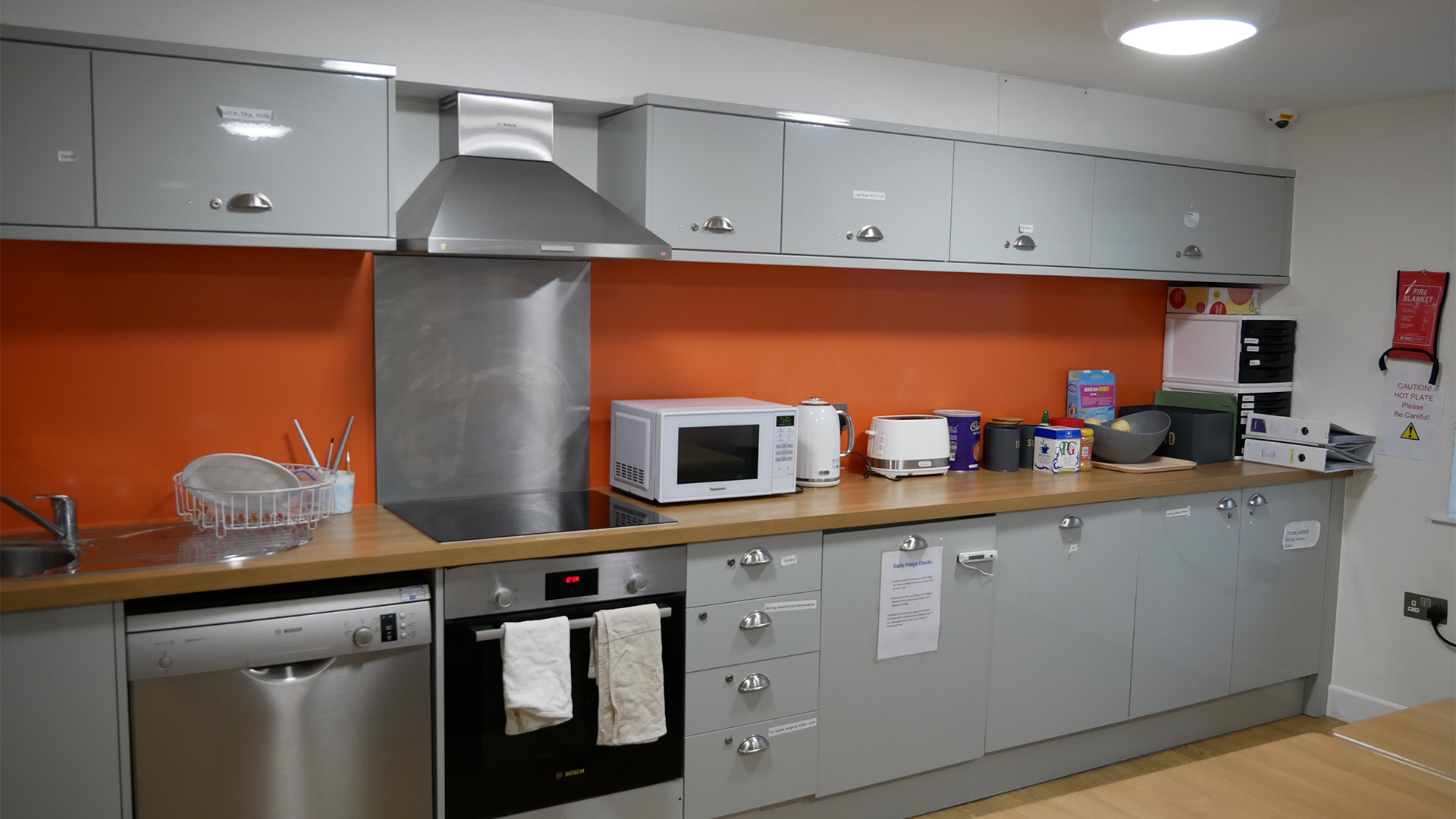
These environments feel calm and supportive, with spaces that are welcoming rather than clinical. Bedrooms, communal areas and therapy spaces are all designed with young people in mind, helping them feel comfortable while they focus on their wellbeing. 

How are families involved?

Family involvement remains important during inpatient care. Parents and carers are usually kept informed and involved in planning and review meetings, and visiting is supported so that relationships are maintained. Being part of the care journey can help families feel connected and reassured as a young person works towards greater emotional stability. 

How does inpatient care fit into the wider pathway?

At Priory, inpatient treatment is focused on stability and recovery. It’s one part of a wider pathway, with clear planning to support young people as they move towards less intensive support and re-engage with everyday life, education and relationships.

Education support 

Education support is a key part of mental health care. During day care programmes, support is designed to help young people manage school-related challenges like maintaining or rebuilding school attendance, managing academic pressure, and reducing anxiety around exams or assessments.

During inpatient treatment, young people are supported to continue learning where possible, with education provision adapted to their needs. This may include help with maintaining learning, reducing academic pressure and planning a gradual return to school when appropriate.

The aim is to support a child’s learning while protecting their mental wellbeing.

Outstanding-rated Priory school awarded Certificate of Excellence for personalised education

The award recognises Priory Roehampton's school’s outstanding work in delivering personalised education to young people aged 11 to 18 who are receiving inpatient mental health care. 

Taking the next step

If you’re unsure what support might be right for your child, starting with an assessment can help bring clarity. It offers an opportunity to understand what your child is experiencing and explore what support could be helpful, without committing to a particular treatment pathway.

At Priory, we understand that this process can feel daunting. Having conversations and feeling more confident about the next steps are all part of supporting a child’s wellbeing, and there’s no pressure to move faster than feels right for your family.

Contact us to make an enquiry or for more information

Call Us
Tap on a number to call
Enquire