
Emotional regulation and dysregulation in children
Is your child struggling with big emotions or school meltdowns? Discover practical co-regulation tips, signs of dysregulation. Expert support without the wait.
Start your journey with an assessment.



Emotional regulation is a child’s ability to understand and manage their feelings. Rather than suppressing what they feel or overreacting to a situation, regulation helps them become more comfortable with their emotions, so they can respond to them with self-awareness.
Some children develop this skill gradually. Others find it much harder. They may become overwhelmed quickly, struggle to calm down, or react in ways that seem disproportionate to what’s happening.
Emotional dysregulation might show up as external outbursts, but it can also look like shutting down internally, withdrawing and being unusually quiet.
If your child struggles with this, it can feel exhausting. Many parents describe feeling like they’re walking on eggshells, anticipating unknown triggers for overreactions. This experience is more common than it may seem, and support is available.
Every child is different, but some patterns are widely recognised. You may notice some or all of the following behaviours in your child.
Recognising these patterns is a valuable first step towards understanding what your child needs.
At Priory, we can help your child understand and talk about their emotions, recognise how they’re feeling and understand how their actions may affect others.
We've put together a pack of free resources to help you whenever you need it. Watch the short video to learn more.
When a child becomes overwhelmed, it’s rarely a deliberate choice and they’re not just being ‘naughty’. It’s often a reflection of how their brain and body are responding in the moment.
A helpful way to understand this is to think of the brain in two parts:
In moments of overwhelm, the alarm system (the downstairs brain) can activate before the thinking part of the brain (the upstairs brain) has a chance to respond. This can lead to impulsive reactions, strong emotions or shutdown.
Different environments place different demands on a child.
School or clubs, for example, can feel structured and high-pressure, requiring focus, patience and social awareness. This can make it more difficult to anticipate and respond to different emotional stimuli, requiring more energy to behave ‘appropriately’.
On the other hand, home might feel safer in its familiarity, which is why emotions may be released more freely there. This can explain why some children hold it together all day, then struggle to regulate once they return home.
Ongoing emotional dysregulation in children is a sign that they may need support. It isn’t a behaviour to be fixed or deemed as wrong. It can sometimes be linked to:
Understanding these underlying factors can help guide the right kind of support.
Supporting emotional regulation early can make a meaningful difference to how a child experiences the world as they grow.
With positive steps taken now, children can find it easier to move through life, and avoid being labelled as badly behaved. When they have adequate understanding and support, they’ll feel better able to navigate further emotional changes throughout puberty and adulthood.
A child’s brain is still developing, which means it’s highly adaptable. With the right support, children can learn patterns that help them manage emotions more effectively over time.
Children who feel emotions intensely are often also highly empathetic, creative and perceptive. Learning how to regulate these feelings doesn’t reduce who they are. It helps them feel more empowered to be their authentic selves.
When a child isn’t overwhelmed, they’re more able to:
Small moments of success, such as calming down after they’ve experienced frustration, can repeatedly build confidence.
Early intervention also reduces the chances of parents’ and siblings’ mental health being impacted by a child’s emotional dysregulation.
When parents shift from reacting to co-regulating, interactions often become calmer and more connected. This can reduce conflict and improve the overall family dynamic.
Early support can also reduce the likelihood of longer-term challenges, such as anxiety, low self-esteem or school avoidance.
Small, consistent strategies can help children feel safer and more supported as they learn to regulate their emotions. We’ve outlined a few you can start with below.

Children often rely on adults to help them regulate. Staying as calm as possible, even during difficult moments, can help your child to feel a sense of safety.
Don’t pressure yourself too much; this doesn’t mean being perfect, but modelling a steady response whenever possible.
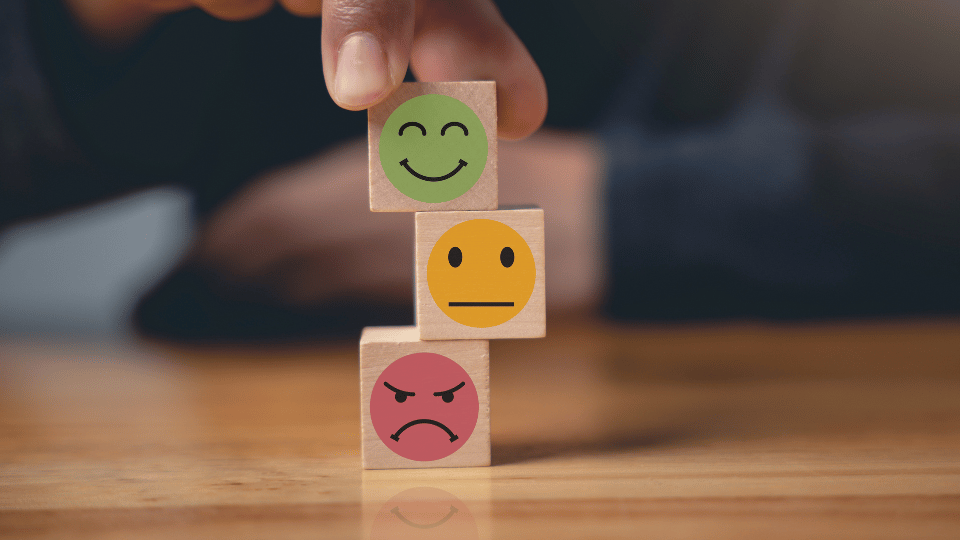
You can help your child understand their emotions using a simple visual approach:
The goal is to notice when your child is in the ‘amber’ stage, which is when support can be most effective. You can communicate this system to your child and ask them to let you know when they feel they’ve moved into the amber stage.
If your child is struggling, it can help to work with their school. You might:
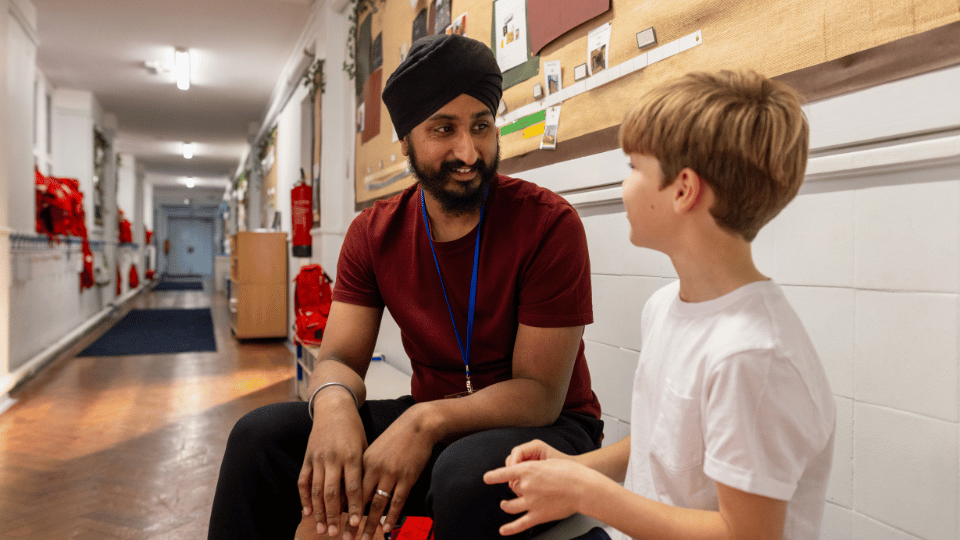
When children experience consistency across their daily environments, they’ll find emotional regulation easier to learn.
It’s often most helpful to talk about your child’s behaviour with them after the moment has passed. When your child is calm:

Trying to reason with them during a meltdown is unlikely to be effective, as the thinking part of the brain is less accessible to your child in that moment.
For many children, emotional regulation improves with time and support. However, there are times when additional help may be beneficial.
You might consider seeking support if:
A specialist team may include psychologists, psychiatrists or occupational therapists. They can look at the whole picture, including emotional, behavioural and sensory factors.
Support might involve:
Seeking support doesn’t mean something is wrong. It can be a helpful step towards a more complete understanding of your child, finding approaches that work for them, and giving them a better start in life.
Get started with a fast access mental health assessment for children.