
Support for emotionally based school avoidance
Our emotionally based school avoidance programme in London is designed tp help children overcome school anxiety and refusal.

At Priory Hospital Roehampton, we offer a specialist emotionally based school avoidance (EBSA) programme supporting children and young people, aged 12-18 years, who are finding it difficult to attend school due to anxiety, emotional distress, or other challenges impacting their education.
Delivered by experienced occupational therapists and specialist education staff, the programme offers a personalised approach that focuses on each young person's individual strengths, needs and goals. By combining therapeutic and educational support, we help young people build confidence, develop practical coping strategies and gradually reconnect with learning in a way that feels manageable and sustainable.
Emotionally based school avoidance (EBSA) occurs when a child or young person struggles to attend school because of emotional distress, anxiety or other psychological barriers, rather than a lack of interest in education. Young people experiencing EBSA often want to attend school but feel unable to do so due to overwhelming worry, stress or fear.
The EBSA support programme uniquely combines occupational therapy and educational support to help young people overcome barriers to school attendance and re-engage with learning.
Young people can gently reintroduce themselves to education through graded exposure, whilst being supported by experienced professionals.
Alongside this, we encourage continued connection with their own school where appropriate, helping to build confidence and support a smoother transition back into education.
Following an initial assessment, each young person receives:
Families are involved throughout the programme to help support positive and sustainable outcomes.
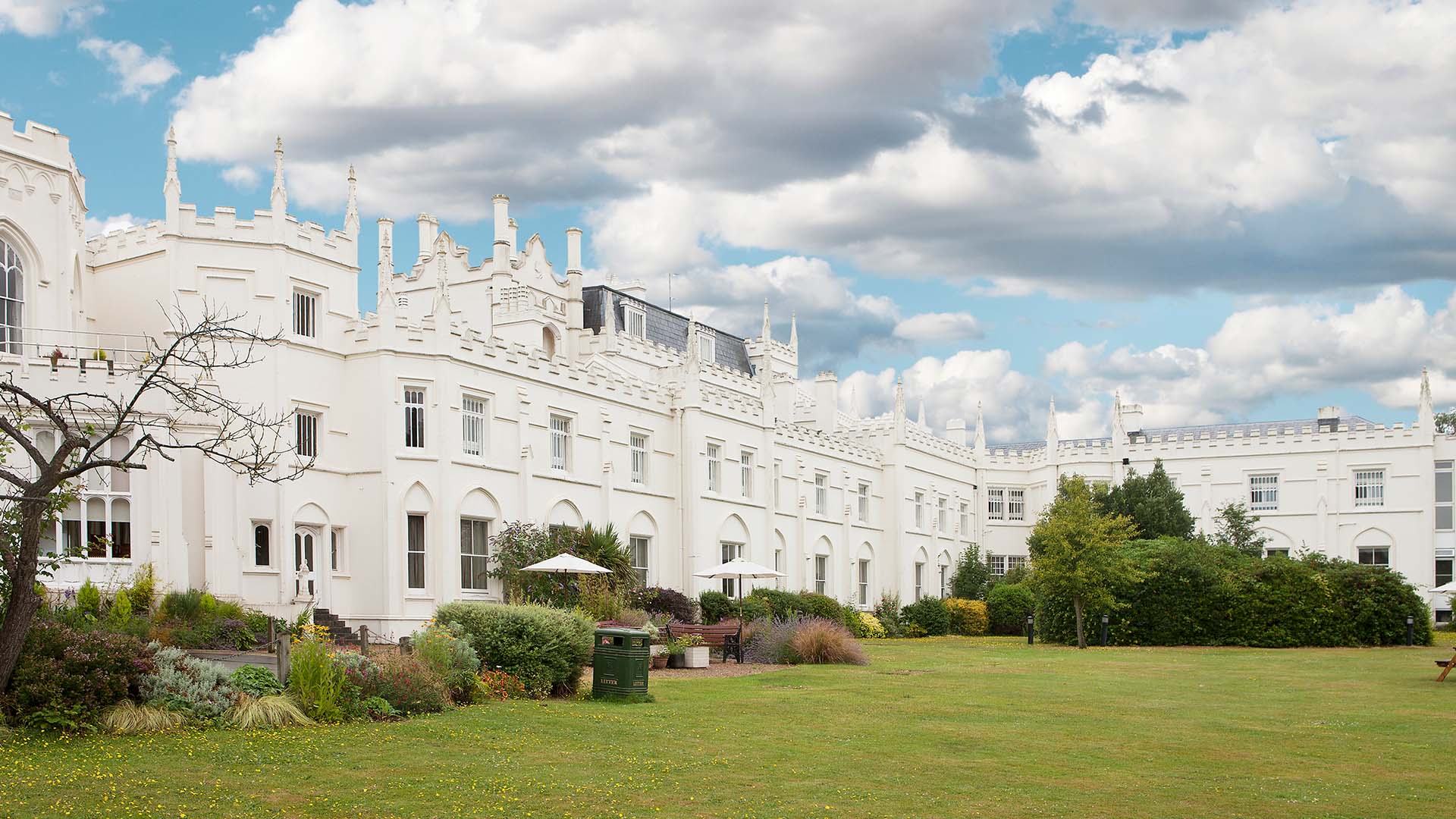
This programme is delivered face-to-face at Priory Hospital Roehampton in a welcoming, sensory-friendly educational environment designed to help young people feel safe, supported and confident as they work towards their goals.
Held within the onsite school, programme sessions are led by an occupational therapist (OT) alongside our education lead/teacher.
The programme provides structured support:
The programme may benefit young people experiencing social difficulties, bullying, and low confidence.
Those who experience sensory sensitivities, challenges with change and transitions, or mild to moderate presentations of neurodevelopmental differences such as autism spectrum disorder (ASD) or attention deficit hyperactivity disorder (ADHD) that impact school attendance can also benefit from support.
This programme is also for young people that experience physical symptoms, such as headaches, stomach aches or nausea, linked to school-related anxiety.
We recognise that parents and carers play a vital role in supporting a young person's journey back into education. Parents and carers can expect:
To ensure suitability for the programme, all young people complete a one-hour assessment with our occupational therapy and education teams to ensure the programme is suitable for their needs, which costs £155. Should the young person go onto enter the programme, this cost will be included on the overall programme cost.
If the young person is not deemed suitable to join the programme, we will work with parents/carers to recommend alternatives routes to support.
The total cost of the programme is £3,375. Parents and carers can self-refer, and we also accept referrals from healthcare and education professionals.
Contact us today to get started:
Discover some frequently asked questions about the EBSA pathway at Priory Hospital Roehampton.
No. A formal diagnosis is not required. The programme focuses on understanding and addressing the underlying factors contributing to difficulties with school attendance, supporting each young person in a way that is tailored to their individual needs.
Yes. The programme can support young people with neurodevelopmental differences, including autism and ADHD, where these contribute to difficulties with school attendance and engagement. We take a flexible, individualised approach, working closely with each young person to understand their needs and adapt support in a way that feels manageable, respectful and supportive of their unique strengths and challenges.
However, in more complex or severe presentations where a higher level of specialist input is required, or where a young person would find it difficult to engage meaningfully with the programme even with support, it may not be the most appropriate setting. In these cases, a more tailored specialist service may be recommended to ensure the right level of care and support is provided.
This programme may not be suitable for young people experiencing an acute mental health crisis, significant risk of self-harm or suicide, psychosis, or requiring specialist eating disorder treatment or inpatient care. It may also not be appropriate where there are safeguarding concerns requiring immediate intervention, where a young person is unable to engage with the programme despite support.
If the programme is not appropriate, we will always discuss alternative support and next steps.
The pathway is personalised and includes one-to-one occupational therapy support alongside education-based interventions.
Where appropriate and with consent, we can work collaboratively with schools to support successful reintegration and ongoing educational engagement.
Parents and carers are strongly encouraged to participate in the assessment and review process, as family support is a key part of successful outcomes.
Depending on the young person’s individual needs, recommendations may include:
If you’re concerned about your child’s mental health or wellbeing, seeking support early can help bring clarity and reassurance. At Priory, support starts with an assessment designed to build a clearer picture of your child’s needs and guide you towards the most appropriate next steps.