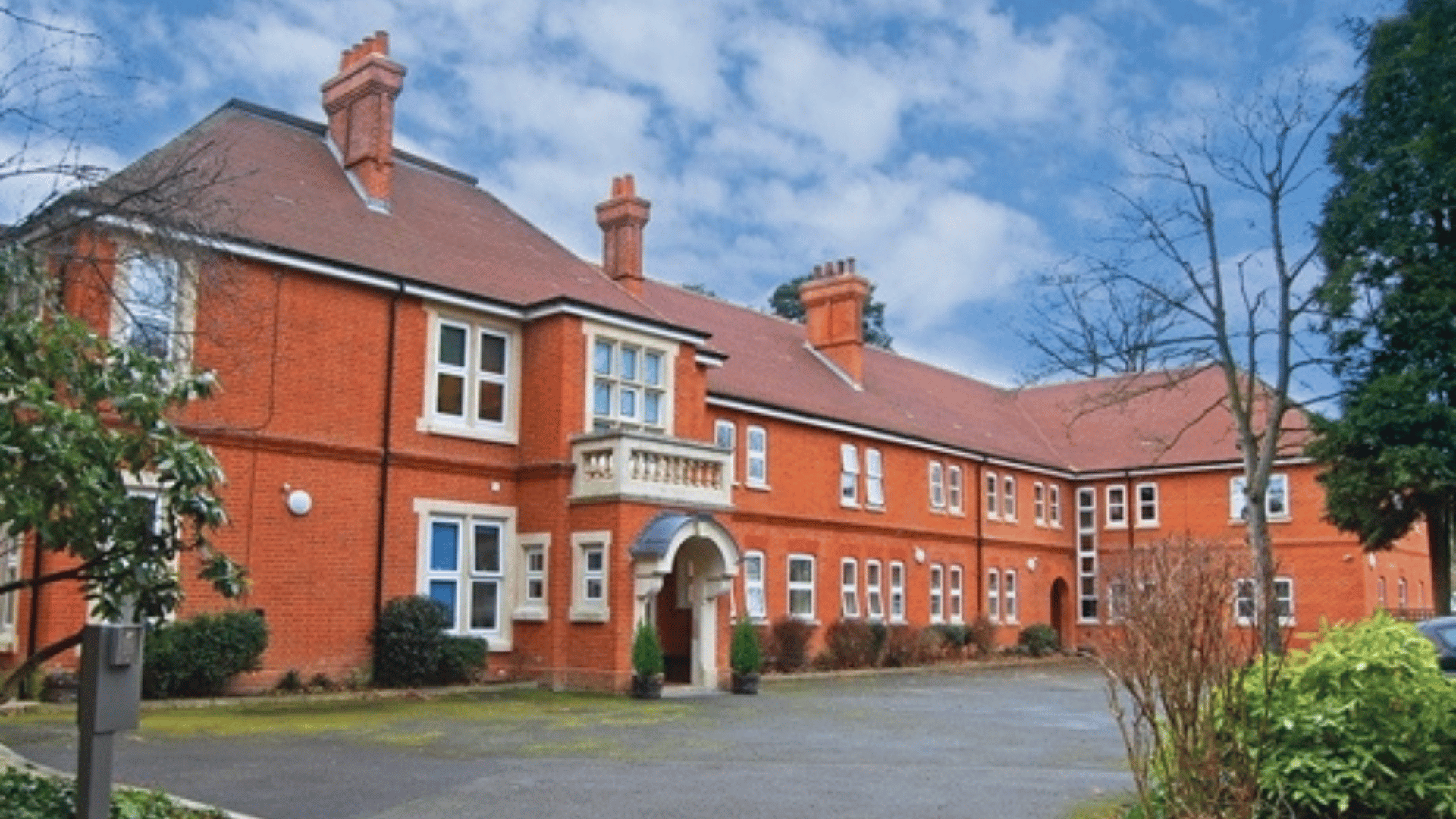
Neurorehabilitation and neurological services
Specialist support across rehabilitation, recovery, transition and longer-term neurological care.
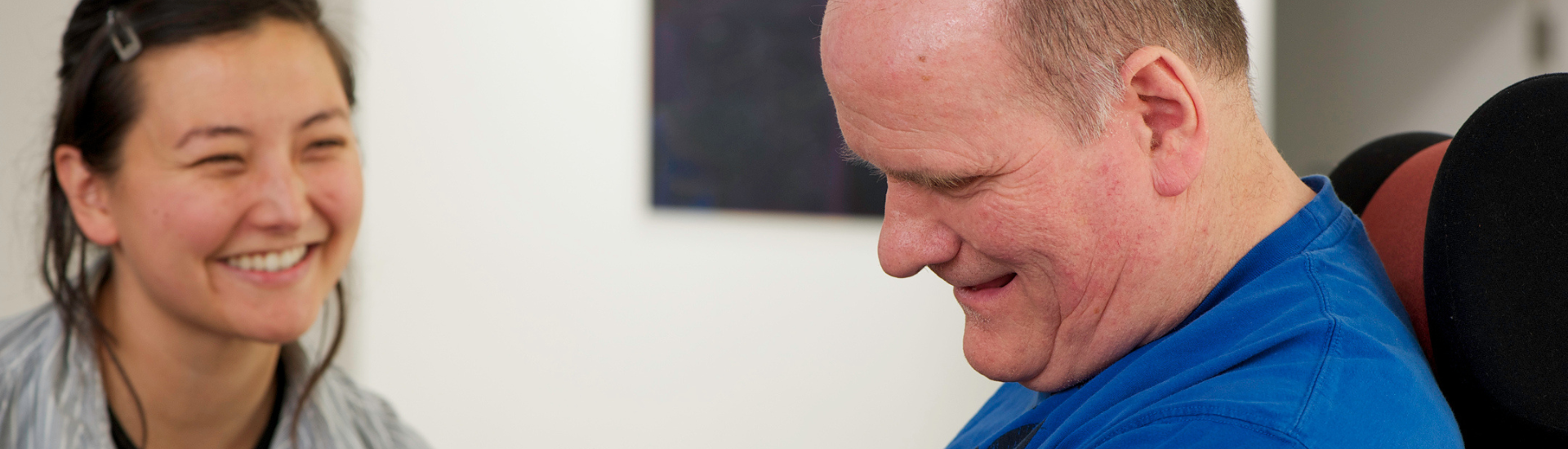
Priory’s specialist neurorehabilitation and neurological care services offer specialist assessments, inpatient rehabilitation and residential support for a wide range of complex neurological conditions, including acquired brain injury (ABI) and progressive neurological conditions (PNC). We support people who need:
To find the service that is right for you, you can talk to our specialist team about the individual's needs and we'll help identify appropriate options across our national portfolio. Use the buttons below, or email your service development manager.
Priory's neurorehabilitation and neurological care services provide a range of pathways according to an individual's clinical needs, rehabilitation potential, level of dependency and longer-term goals.
Individual pathways include:
Active/specialist neurorehabilitation
Neurobehavioural rehabilitation and support
Slow-stream and longer-term rehabilitation
Complex neurological rehabilitation and PDOC
Transition, step-down and community reintegration
Longer-term specialist neurological care
We work with external agencies and stakeholders to ensure a safe, smooth and effective transition from admission to discharge. Our goal is to provide the greatest opportunity for everyone we support, to receive rehabilitation that's individualised and meaningful, and care that's personalised to the uniqueness of their condition.
The patient is at the heart of all decision making, which is important for the development of treatment plans and goal setting. The involvement of families and carers is important and encouraged, to optimise outcomes.
We aim to promote a quality of life that matters to the people in our services and in doing so, ensure people can live their life to the fullest.
The breadth of services we provide across the UK allows for comprehensive care pathways and support to be offered across various facilities, including:
We are also able to offer respite care at a number of our services. This allows our services the scope to meet the diverse needs of the people we support, within the appropriate setting for them.
Clinical, therapy and support provision is tailored to the pathway and needs supported by each service, with access to a range of specialist disciplines across the portfolio. The wider network of specialists work together to share learnings and best practice, facilitate continued care pathways, and work with external teams to manage a smooth admission and discharge process for our service users.
Across the portfolio, people are supported by specialist teams appropriate to the needs and pathways delivered by each service. The clinical and therapy provision available varies between services, according to the needs and pathways supported:
Consultants in neurorehabilitation medicine
Consultant psychiatrists and neuropsychiatrists
Consultant neuropsychologists
Clinical psychologists
Consultants in respiratory medicine
Specialty doctors
Nurses
Physiotherapists
Occupational therapists
Speech and language therapists
Dietitians
Advocacy
Healthcare and rehabilitation assistants
Therapy assistants
Social and recreation coordinators
Referral and enquiry management teams to support and help navigate
Brain injury affects each patient differently. The more severe the injury, the more pronounced the effects. ABI may result in significant, and potentially long-term physical impairment. Some of the physical impairments following an ABI/PNC may include:
These can also occur alongside cognitive and behavioural changes. Therefore, our programmes are tailored to individual needs, with the aim of ensuring a person’s physical/medical status is optimised, enabling them to engage in a rehabilitation programme.
In some cases, people may need ongoing long-term specialist care following the completion of their rehabilitation programme. We can offer continuing care in specialist nursing homes for people with ongoing highly complex physical care needs (or severe and profound cognitive and/or behavioural needs).
Our specialist brain injury care homes are appropriate for younger residents too. They have higher staffing levels, relevant clinical protocols, and the specialist equipment needed to support any patient, irrespective of their needs.
ABI or PNC may result in a neurobehavioural disability that can appear in the form of cognitive and behavioural changes. These changes may occur alongside physical disabilities for some, and can be impacted by the environment the person lives in.
The kinds of changes seen following an ABI or PNC might include:
A person's behavioural changes following an ABI or PNC can be one of the most difficult areas for family and friends to cope with. Symptoms may include:
Emotional changes may also be evident. These can include the onset of depression, anxiety, anger or mood swings.
Neurobehavioural rehabilitation has been shown to be successful in helping people following an ABI to cope with and reduce levels of challenging behaviour. In addition, we use a person-centred approach which is recognised as a supportive framework for people with a PNC. This approach includes:
Service | Active/specialist neurorehab | Neurobehavioural | Slow-stream/longer-term rehab | Transition/step-down | Longer-term specialist neuro care | PDOC/complex physical care |
 | Subject to assessment/training | | | |  | |
| | | | | | |
| | | | | | |
| | | | | | |
| | | | | | |
| | | | | | |
| | | | | | |
| Subject to assessment/training | | | | Subject to assessment/training | |
| Subject to assessment/training | | | | Subject to assessment/training | |
| Subject to assessment/training | | | | Subject to assessment/training | |
I want to say a big thank you to your team for the very swift and helpful response to my patient crisis. The whole referral and assessment process went extremely smoothly and I was greatly relieved when he [my patient] arrived safely the next day.
To find the service that is right for you, you can talk to our specialist team about the individual's needs and we'll help identify appropriate options across our national portfolio. Use the buttons below, or email your service development manager.