Somatic exercises explained
Learn what somatic exercises are, how a calm, body-based approach works and how this type of movement can support mental health in a gentle, accessible way.


Somatic exercises is a term you may have come across without knowing what it means. Somatic means ‘of the body’ and somatic exercises are gentle, body-based approaches that support mental and emotional wellbeing.
While other types of exercise can benefit mental health, somatic movement is different in that it’s not about fitness or achieving goals. Instead, the focus is on deepening your awareness of physical sensations in your body as well as using movement to support mood and mental health.
Somatic exercises can form part of a wider approach to mental wellbeing, and used in a way and at a pace that suits you.
As ‘somatic’ refers to the body, somatic exercises are practices that encourage you to focus on bodily sensations through small movements and increased physical awareness.
Many mental health or wellbeing exercises focus on thoughts, behaviours or developing specific skills. Somatic exercises are different in that they focus on listening to the body and responding gently. The emphasis is on increasing awareness of the body’s sensations and how they connect to thoughts, feelings and overall experience.
This approach is awareness-led rather than performance-based. The focus is on paying attention to what your body is experiencing rather than doing exercises to achieve a specific goal. There’s no expectation to perform them ‘correctly’ or reach a particular outcome. Somatic exercises are optional, personal and flexible.
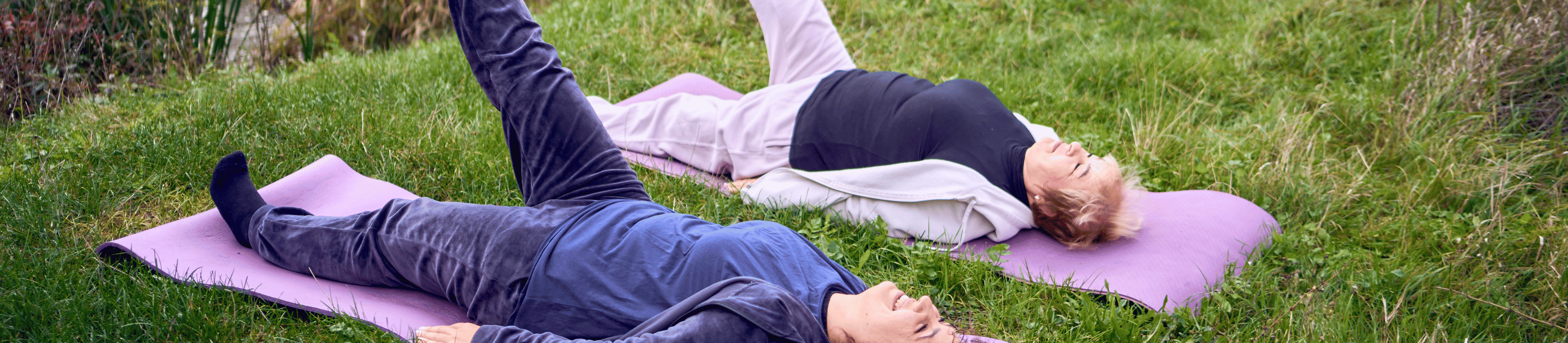
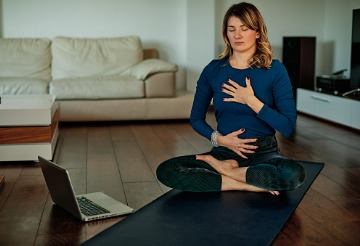
Common examples of somatic exercises include noticing your breath, scanning your body for tension or comfort, gentle rocking, shifting posture or tuning into how different movements feel.
Join movement & yoga therapist Cathy Underwood, as she runs through a somatic routine that's perfect for reducing anxiety and calming your nervous system.
Some examples of commonly-used somatic exercises include:
Somatic exercises can be adapted to you and your situation, with the focus on noticing what feels comfortable rather than doing anything in a set way.
Somatic exercises work from the bottom up, body to brain, meaning they start with physical sensations and gentle movements rather than focusing on thoughts or conscious control. This is different from many other approaches that rely on thinking, planning or top-down strategies to manage stress or emotions.
By paying attention to your body and moving at a comfortable pace, somatic exercises can help your nervous system settle and support your body to move out of prolonged stress or alert states.
Simple sensations and small movements can communicate a sense of safety, helping your body and mind feel more grounded.
In somatic exercises, awareness and pacing are more important than effort or performance.
There’s no need to push, force or achieve a particular result. Instead, the focus is on noticing and responding to your body in a gentle and supportive way.
Somatic exercises are used as a way to support mental and emotional wellbeing. They can help you to tune into your bodily sensations and regulate your emotions, providing a sense of grounding and presence.
While somatic exercises aren’t a replacement for therapy, medication or other forms of self-care, they can complement them as part of a broader approach to mental health.
Somatic exercises can help the body release tension that has built up over time. They often focus on slowing down, softening muscles and allowing the body to unwind after prolonged demands.
These exercises can feel settling and restorative, helping you notice physical sensations and move gently without trying to ‘fix’ stress.
Somatic exercises can support feelings of anxiety by helping the nervous system feel safer and more grounded in the present moment.
They often emphasise orientation and gentle grounding, helping the body regulate during times of heightened alertness and reducing uncomfortable physical sensations without focusing on panic or crisis.
The same somatic exercise can support stress or anxiety depending on how and when it’s used. Timing, intention and attention are more important than the specific movement.
Somatic exercises are adaptable and flexible, not prescriptive, and the same gentle practices can be useful for different experiences depending on your needs. For example:
Somatic exercises can support overall mental health and wellbeing in a gentle, gradual way. These benefits tend to develop gradually and individually, which some people experience as a greater sense of calm, balance and resilience over time.
People often notice:
Somatic exercises are a supportive tool that can be integrated into daily life, helping people feel more attuned to their bodies and emotions.
Somatic exercises are about noticing and responding to the body, not forcing emotional release or achieving a specific result. Some people may prefer to practise with guidance from a trained professional, especially when exploring new techniques.
Somatic exercises should feel gentle and comfortable. If something feels uncomfortable, it’s OK to pause, adapt or skip the exercise.